

Approximate Reading Time: 12 Minutes
In Partnership with Polyflor Australia
Vinyl flooring is back and looking better than ever!
When you consider it, there’s really no big surprise that vinyl flooring is rising in popularity the way it is. It’s versatile, durable, and budget-friendly, making it an excellent choice for homeowners and businesses alike. But what exactly is vinyl flooring, and why should you consider it for your next project?
The Floorworld Blog is here to give you the inside scoop. We recently spoke with industry veteran Andrew Ferguson from Polyflor Australia, one of Australia’s premium vinyl flooring suppliers.
We asked Andrew about all things vinyl to compile this complete guide, which we hope will answer your questions and inform you about all things vinyl flooring.
Andrew Ferguson is the current National Technical Manager at Polyflor Australia and has been working with vinyl flooring for over 25 years. He was part of the senior development research and development team behind ModWood, an award-winning polymer composite decking material used in commercial and residential applications.
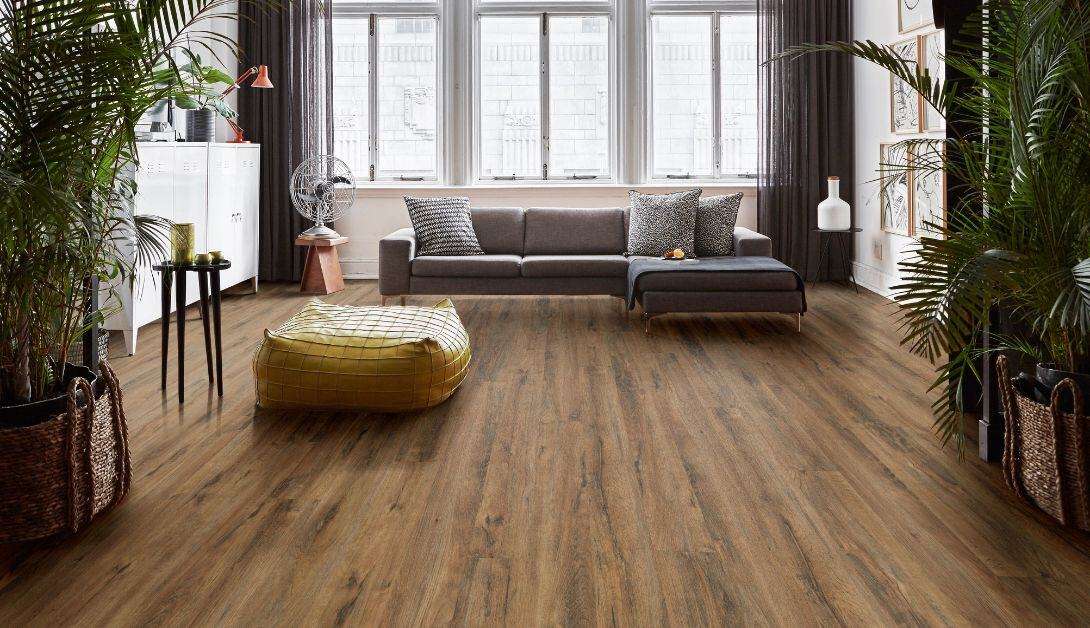
Table of Contents
1. Why Choose Vinyl and Why the Popularity?
2. Common Misconceptions About Vinyl Flooring
3. Different Types of Vinyl and What They Mean
4. How Does Vinyl Compare to Other Flooring Types?
6. Vinyl Flooring for the Rooms in Your Home
7. Proper Cleaning, Maintenance and Installation Techniques for Vinyl Flooring
9. Frequently Asked Questions (FAQs)
10. Conclusion and Further Resources
1. Why choose Vinyl and why the popularity?
In the age of Pinterest and social media, we are being inspired daily to build the home of our dreams with beautiful and exquisite luxury flooring. The only unfortunate part is that the cost of living is also reaching record highs, making these aspirations feel like little more than just dreams.
It is in this space that Vinyl flooring finds its footing. First and foremost, it’s incredibly cost-effective, being one of the lower-cost options compared to timber hardwood floors or natural stone tiles. However, this is where its second strength comes into play.
Once upon a time, if you asked me what I thought of vinyl flooring, I would have used words like tacky, plastic, and, dare I say, even ugly. This is not the case anymore.
Thanks to advancements in printing and production technologies, modern vinyl is able to almost perfectly mimic the look and feel of natural, more expensive materials such as wood or stone at a fraction of the cost. Add to that its sheer versatility, and it’s easy to understand where things are heading.
Vinyl can be installed in virtually any room of your home, including high-moisture areas like bathrooms and kitchens. It’s also available in a wide range of styles and designs, so you’re sure to find something that suits your own personal taste.
Finally, vinyl flooring is easy to maintain. Unlike other types of flooring that require special cleaning products and treatments, vinyl can be cleaned with simple household cleaners and a mop.
2. Common misconceptions about Vinyl flooring
Time to clear some air. There are many common misconceptions about vinyl flooring. Let’s address a few of the most common ones:
I Don’t Need to Clean My Floors Regularly: Vinyl is easy to clean—one of its main selling points—but that doesn’t mean you can neglect your regular cleaning routines. While more resilient than most flooring, dirt and grime can build up, cause damage, and dull the appearance of your floors if left unattended for too long.
Vinyl Flooring is Bad for the Environment: There’s a misconception that vinyl flooring is one of the worst flooring types when it comes to being environmentally friendly. While there will always be better options, what many don’t realise is the many innovations in making modern vinyl much greener than it used to be. Many manufacturers now produce vinyl with fewer harmful chemicals and incorporate recycling programs into their production processes. Read the certifications on your flooring products to understand what qualifies them and the standards manufacturers must meet to achieve them.
Vinyl is Tacky and Looks Cheap: Another common misconception is that vinyl looks cheap or fake. Advances in printing technology have made it possible to create vinyl flooring that looks remarkably similar to natural materials like wood and stone.
Old Vinyl is the Same as New Vinyl: Some people still associate vinyl with the cheap, plasticky flooring of the past. Today’s luxury vinyl is a far cry from those outdated versions. It’s more durable, more attractive, and more comfortable underfoot.
3. Different types of Vinyl and what’s inside
Vinyl flooring is not all the same and features several different types, each with its own unique properties and applications. Here’s a breakdown of the most common types:
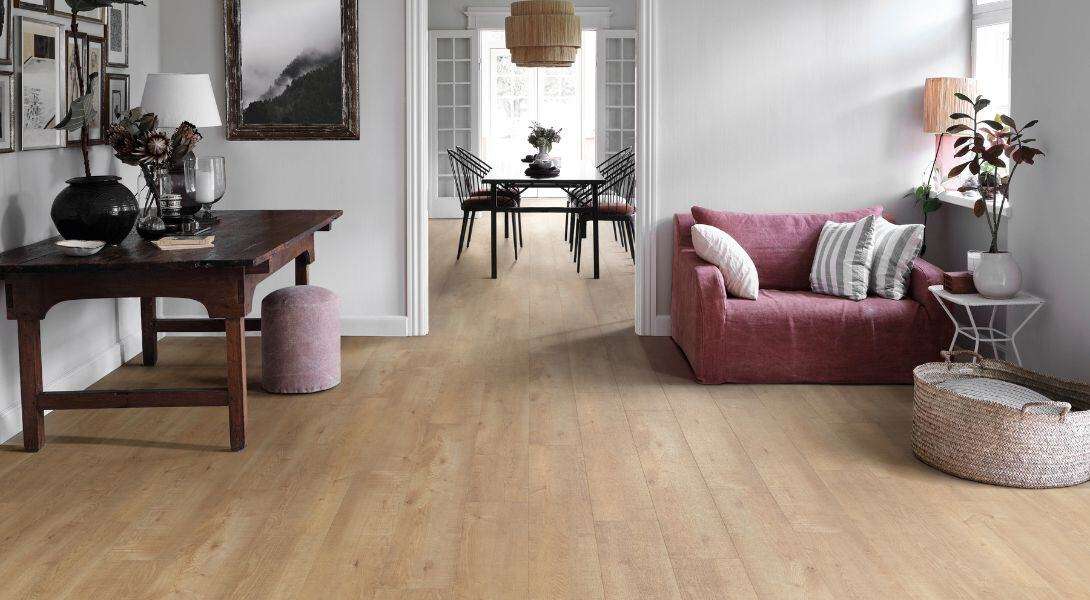
Luxury Vinyl (LVP and LVT) or Printed Design Vinyl: This is the vinyl you are likely to see mostly if you are looking for flooring for your home. This multi-layered heterogeneous vinyl has a printed design layer that can mimic modern or traditional looks, with a transparent wear layer on top for protection.
LVP: Mimics the look of timber/hardwood with long, narrow planks.
LVT: Mimics the look of stone or ceramic tiles and is available in square or rectangular shapes.
Sheet Vinyl: Made from a single layer of PVC, this homogenous type of vinyl is incredibly durable and more reminiscent of the older style of vinyl flooring.
Safety Flooring: Contains aggregate safety particles to provide a slip-resistant surface, making it ideal for areas where safety is a concern, such as homes with elders or people with special conditions. It is also commonly used in commercial settings such as nursing homes, schools, and hospitals.
Sports Flooring: Designed with a foamed backing to provide cushioning and support, it’s perfect for sports centres and gyms.
Electrostatic Flooring: Conducts electricity to prevent static buildup, making it ideal for electronic manufacturing environments and areas where sensitive electronics are handled.
What is in Vinyl flooring?
Vinyl flooring is primarily made of polyvinyl chloride (PVC), which is derived from salt and chlorine. Depending on the type of vinyl being produced, the manufacturing process and construction of the flooring can involve several steps. Still, generally, most residential vinyl you buy will follow the multilayer design below.
-
- Wear Layer: The top layer that provides protection against scratches and stains.
- Decorative Layer: This layer features a printed design, giving the flooring its realistic appearance.
- Core Layer: Provides stability and durability.
- Backing Layer: Offers additional support and prevents moisture from penetrating the floor.
4. How does Vinyl compare to other flooring types?
Vinyl flooring has several advantages over other types of flooring, such as laminate, timber, and hybrid options. Below is a rundown of each example.
Laminate: While laminate is also affordable and easy to install, it’s not as moisture-resistant as vinyl. Vinyl can handle spills and humidity much better, making it a better choice for kitchens and bathrooms.
Timber: Timber flooring is beautiful but expensive and requires significant maintenance to maintain its look over the years. Vinyl can mimic the look of wood without the high cost or constant upkeep.
Hybrid flooring: Hybrid flooring is designed to combine the best features of vinyl and laminate, but it can be more expensive. Also, bad hybrid installations fail faster than bad vinyl installations, meaning they can be less versatile. Vinyl is also more moisture-resistant and can be glued down, preventing issues with expansion and contraction.
Durability and Maintenance of Vinyl flooring
Vinyl flooring is incredibly durable and easy to maintain. Here are some key points to consider:
- Moisture Resistance: Vinyl is highly resistant to moisture, making it ideal for areas prone to spills or humidity.
- Wear Layer: The wear layer protects the design layer, ensuring that the flooring maintains its appearance over time.
- Scratch Repair: Minor scratches can be repaired, extending the life of your flooring.
- Cleaning: Routine cleaning is simple for vinyl. It involves sweeping or vacuuming to remove loose dirt and mopping with a mild cleaner.
5. Vinyl designs and styles
One of the most significant advantages of vinyl flooring is the wide range of designs and styles available. From wood-look planks to stone-look tiles, there’s something for every taste. Advances in printing technology have made it possible to create highly realistic designs that mimic natural materials.
Stone-look Vinyl flooring
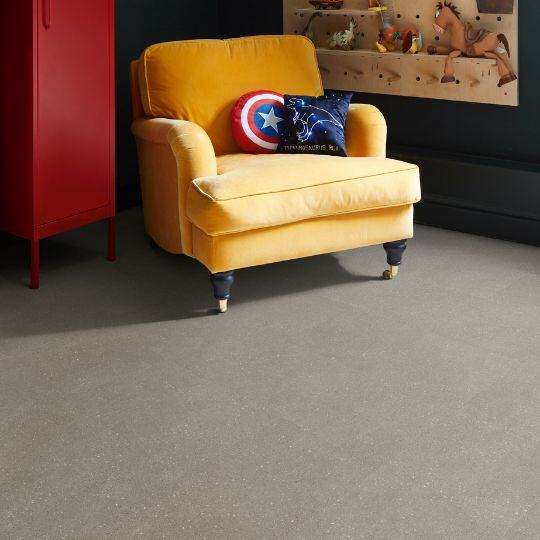
Stone-look vinyl flooring is designed to resemble the appearance of natural stone surfaces like marble, slate, terrazzo, and limestone. This type of vinyl flooring can add a touch of luxury to spaces like kitchens, bathrooms, and entryways. The intricate patterns and textures make it difficult to distinguish from real stone.
On Right: Polyflor Camaro Stone Vinyl
Timber or wood-look Vinyl flooring
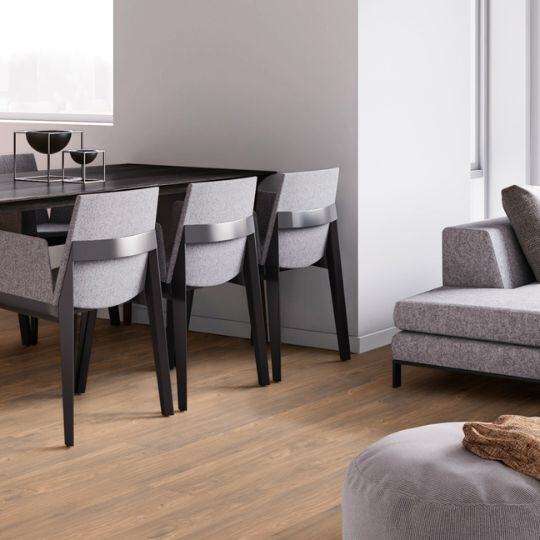
Wood or Timber-look vinyl flooring is designed to mimic the appearance of natural hardwood. This style is highly popular due to its realistic textures and patterns, which replicate various wood species such as oak, maple, and even native Australian species such as blackbutt and jarrah hickory. The designs can range from traditional planks to more modern, wide-plank formats, offering options for rustic, classic, and contemporary interiors.
On Left: Polyflor MiPlank Vinyl Plank
Herringbone or Chevron designs
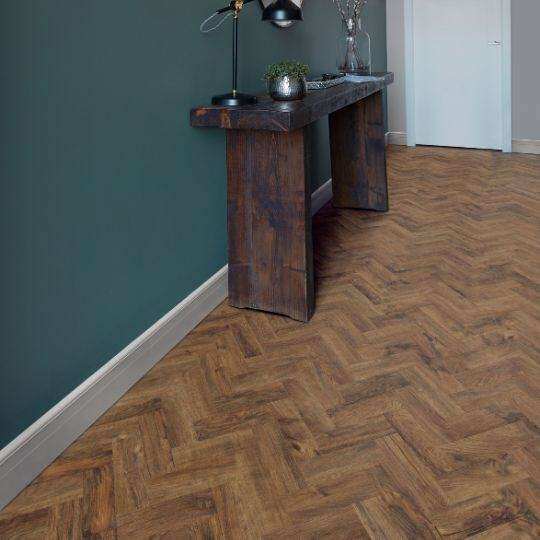
In natural Timber Flooring, Herringbone and Chevron designs have been riding in popularity as people look to modernise their timber flooring. Due to the difficulty and material cost, this can be an expensive option. However, with Vinyl plank designs, you can enjoy the style and luxury of herringbone and Chevron without the cost or struggle.
On Right: Polyflor Camaro Vinyl Plank
Tile-look Vinyl flooring
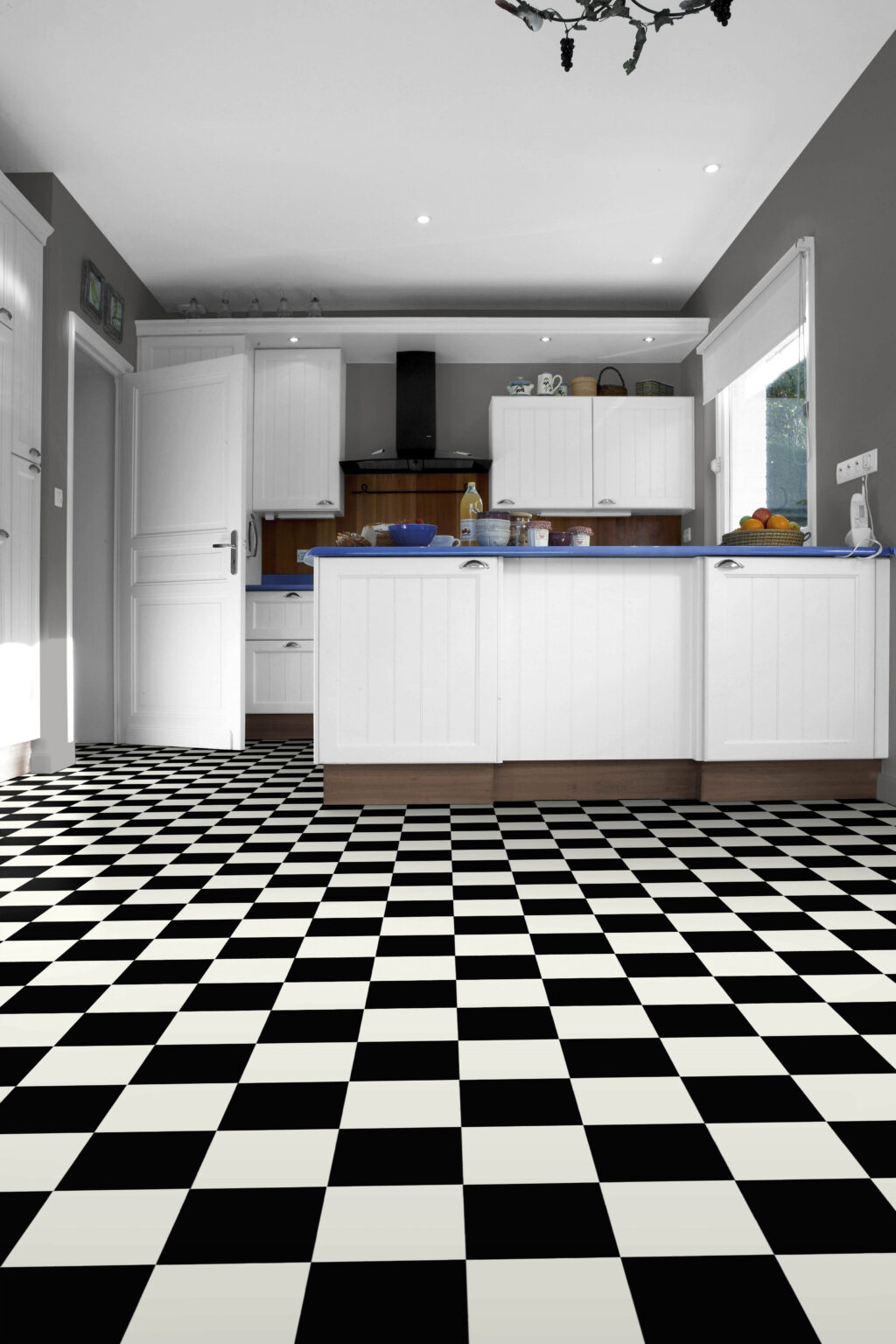
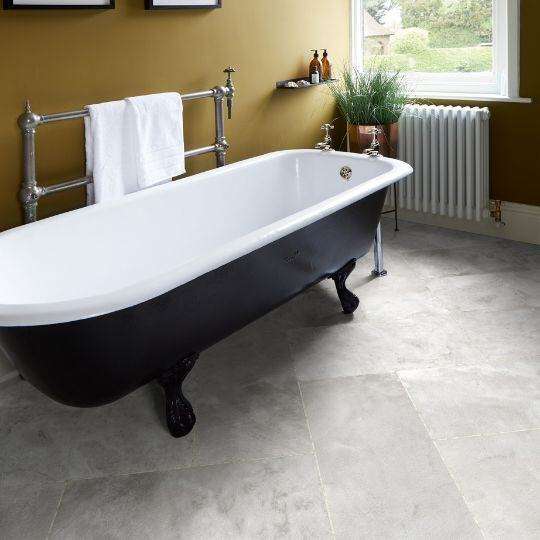
Tile-look vinyl flooring offers the appearance of ceramic or porcelain tiles without the cold, hard feel underfoot. These vinyl tiles come in various sizes and shapes, including traditional square tiles and more modern geometric patterns. They are ideal for areas where water resistance is crucial, such as bathrooms and laundry rooms.
On Left: Polyflor Camaro Vinyl Tile
For more on how to style your rooms, or just to understand the latest in flooring trends, check out our Floorworld Essentials: The Ultimate Guide to Flooring Interior Design Trends.
6. Vinyl flooring for the rooms in your home
One of the greatest strengths of Vinyl flooring is its versatility. It can be used in almost any room of your home and any household with no issue. Below are a few great options:
Living Rooms: As one of the most active areas in the house, vinyl flooring can be a great option to both survive the parties and gatherings while also being able to style it any way you want to suit the decor so you can also show off to your guests.
Kitchen: Vinyl flooring’s resistance to water and spills is where it comes into play in the kitchen. Add to that the ease of cleaning and maintenance when your cooking attempts end up in a mess, and you no longer need to fear experimenting too hard with your meals.
Bathrooms: Traditionally, where people commonly find hard, cool tile and stone, vinyl flooring can provide a softer floor underfoot. With water resistance on all types, you can even experiment with timber or wood flooring where the actual natural material would not work for practical reasons.
Bedroom: For those wanting comfort but who love the look of stone or timber flooring, vinyl is your answer. You can even have some underlay beneath for further comfort and also to reduce noise so that you can have a quieter environment for restful sleep.
Dining Room: Spills are inevitable when you have dinner for the whole family, especially with younger children involved. Vinyl flooring shines because it is easy to clean and still looks great.
For more inspiration on how to style rooms in your home, check out our Inspiration and Advice page.
<h3