-

Australian Allergy-Friendly Bedroom Flooring Guide

Surani Sahabandu
11 min read  ·   Published: Apr 7th, 2026   ·   Updated: Apr 13th, 2026
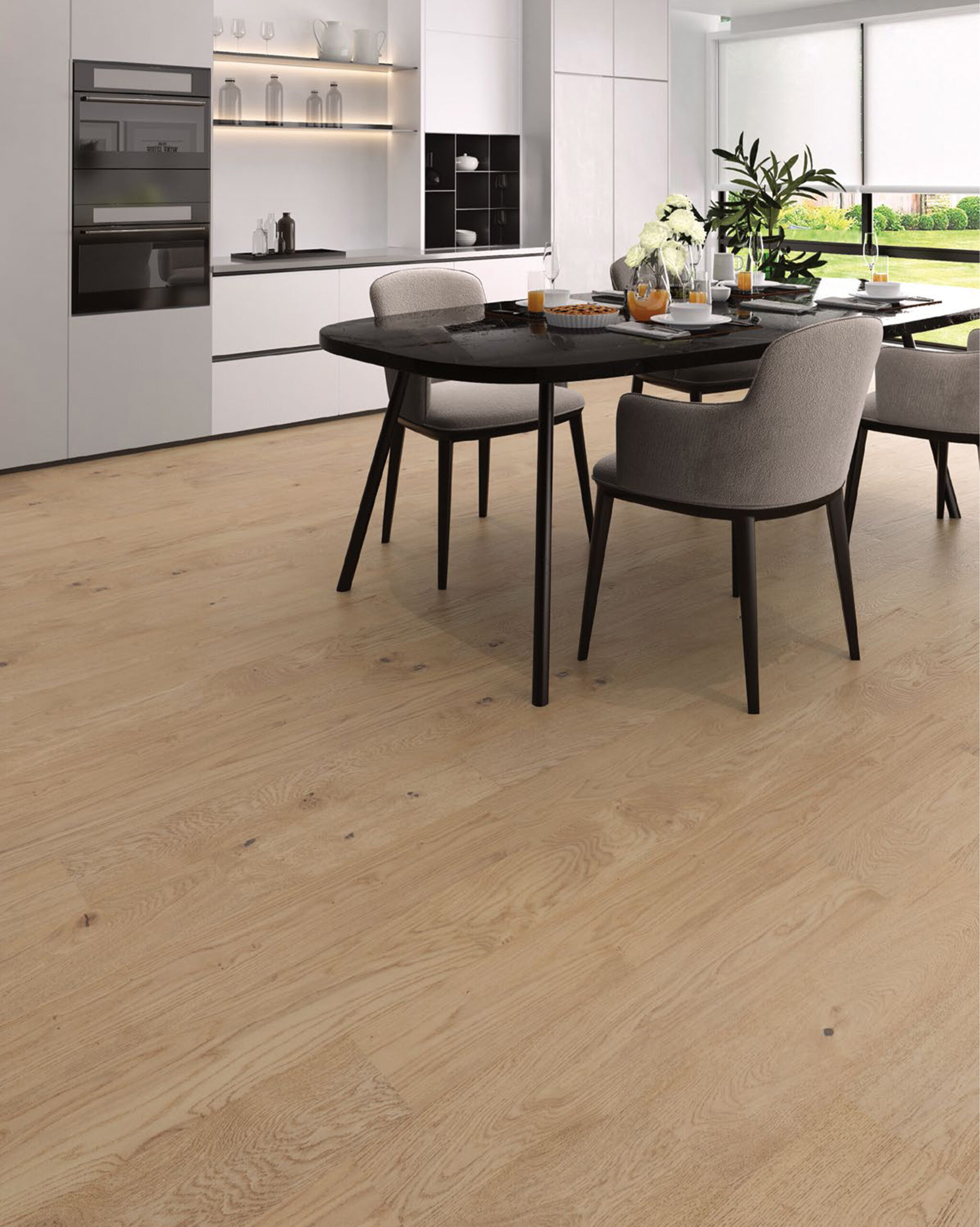
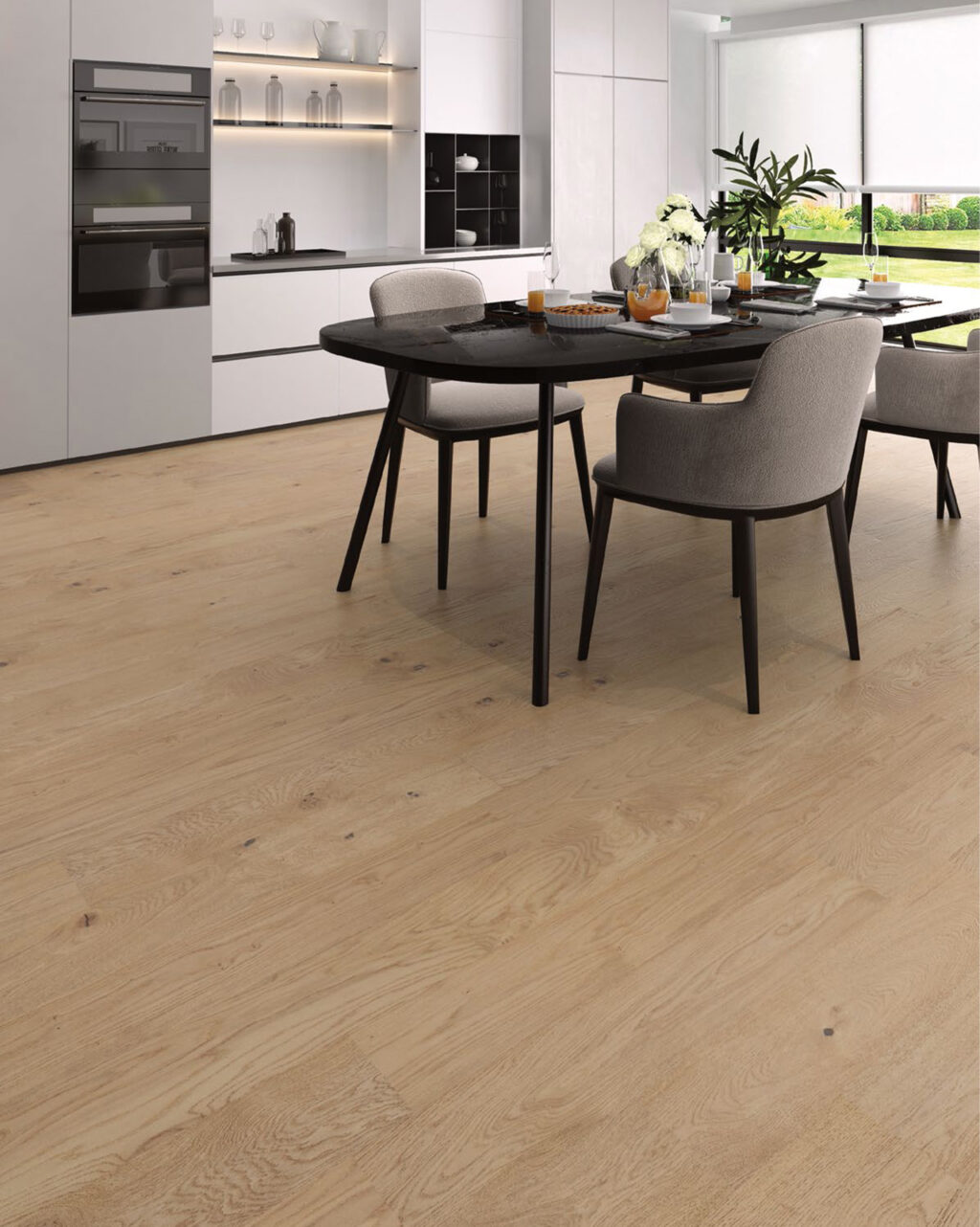
Dining room in modern home with chairs

You spend roughly a third of your life in the bedroom, and a lot of that time is spent breathing air close to the floor. If the room is holding onto dust and irritants, you feel it. Not always dramatically, but in the small ways that add up: waking with a blocked nose, scratchy throat, watery eyes, or just that “I didn’t sleep properly” feeling.

For many Australians managing allergies or asthma, bedroom flooring is one of the most practical changes you can make because it affects what settles in the room and how easily you can remove it.

In this article

Quick Answer: What’s the Most Allergy-Friendly Bedroom Flooring?

For most allergy and asthma sufferers, hard flooring is the safer pick in the bedroom because dust and particles sit on the surface and can be removed thoroughly with the right routine. If you prefer softness, a washable rug beside the bed is usually a better option than wall-to-wall carpet, because it can be cleaned properly.

Why the Bedroom Floor Matters More Than Other Rooms

Most Australians think of the bedroom as a low-traffic, low-risk room for flooring. In terms of wear and maintenance, that’s true. In terms of allergen exposure, it’s the opposite. You spend more continuous, still time in your bedroom than anywhere else in your home, and your breathing rate during sleep means you’re drawing air from close to the floor surface for eight hours at a stretch.

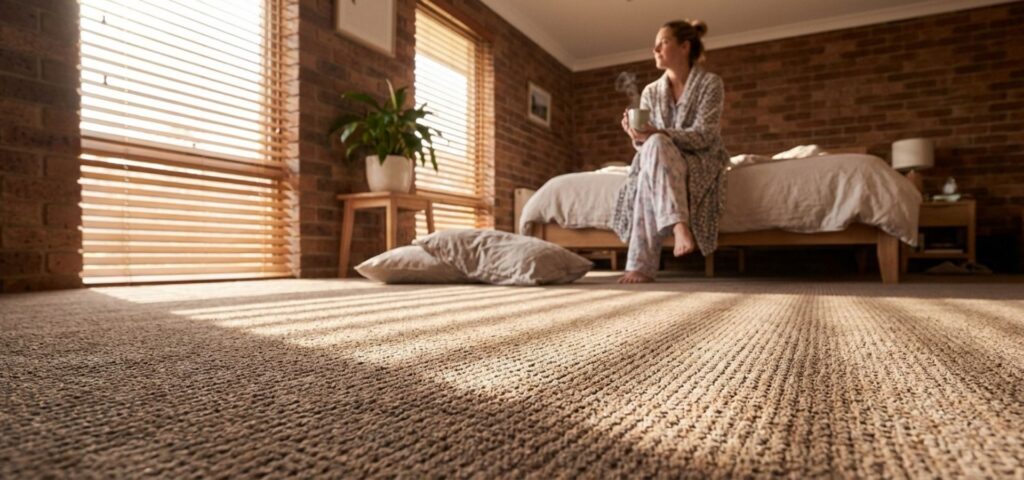
Carpet can hold onto particles within the pile between cleans. Hard flooring doesn’t trap particles in fibres in the same way, which is why it’s often easier to keep a bedroom feeling “cleaner” day to day. In a bedroom, this means your sleeping environment is directly affected by what’s living in your carpet pile.

Hard floors don’t harbour these allergens in the same way. Dust and particles settle on the surface where they can be swept or mopped away rather than embedding in fibres where routine cleaning doesn’t reach.

“Hard floors don’t harbour the dust mites and allergens that accumulate in carpet pile. In a bedroom where you breathe for eight hours a night, that difference is worth taking seriously.”

The Nuance: Hard Floors and Airborne Particles

There’s an important qualification worth understanding. Hard floors don’t “lock in” dust the way carpet can, so particles can be kicked up briefly if you:

  • sweep quickly with a dry broom
  • use a vacuum that blows air around
  • clean without trapping dust (microfibre makes a big difference)

The routine that works best for allergy bedrooms:

  1. Vacuum with a HEPA-filter vacuum (or a well-sealed vacuum designed to reduce particle blowback)
  2. Follow with a damp microfibre mop to trap what’s left

That’s the key difference: on hard flooring, you can remove particles fully from the room instead of leaving them embedded in fibres.

Low-VOC: The Second Bedroom Consideration

VOCs (volatile organic compounds) are gases that can be released from some building materials, coatings, adhesives and underlays. In most rooms, it’s worth considering. In a bedroom, it matters more because you spend hours there in a relatively enclosed space.

When choosing allergy-friendly bedroom flooring, ask about:

  • low-VOC product options
  • low-VOC underlay (where applicable)
  • low-VOC adhesives/finishes (if direct stick installation is involved)

GREENGUARD Gold is one of the most widely recognised low-emissions certifications, but some manufacturers also provide equivalent test documentation. The key is confirming it for the specific product you’re considering.

Ask your Floorworld consultant specifically about VOC levels when choosing bedroom flooring. This is a product-specific question with a product-specific answer, and it’s worth getting right.

Hard Flooring for Allergy Bedrooms: A Quick Guide

Engineered timber

A popular choice if you want warmth and natural character without a hard, “clinical” feel. A smooth, sealed finish makes it easier to damp mop thoroughly.

Best for: allergy-conscious households who still want a natural look
Watch-outs: don’t treat it as highly moisture resistant; follow the recommended cleaner for the finish

Hybrid flooring

A practical option for bedrooms when you want a stable, easy-care hard floor. Many people choose hybrid when they want the timber look with minimal fuss.

Best for: easy cleaning, busy households, upstairs bedrooms
Watch-outs: VOC/emissions are product-specific; confirm certification and underlay choices

Vinyl plank flooring

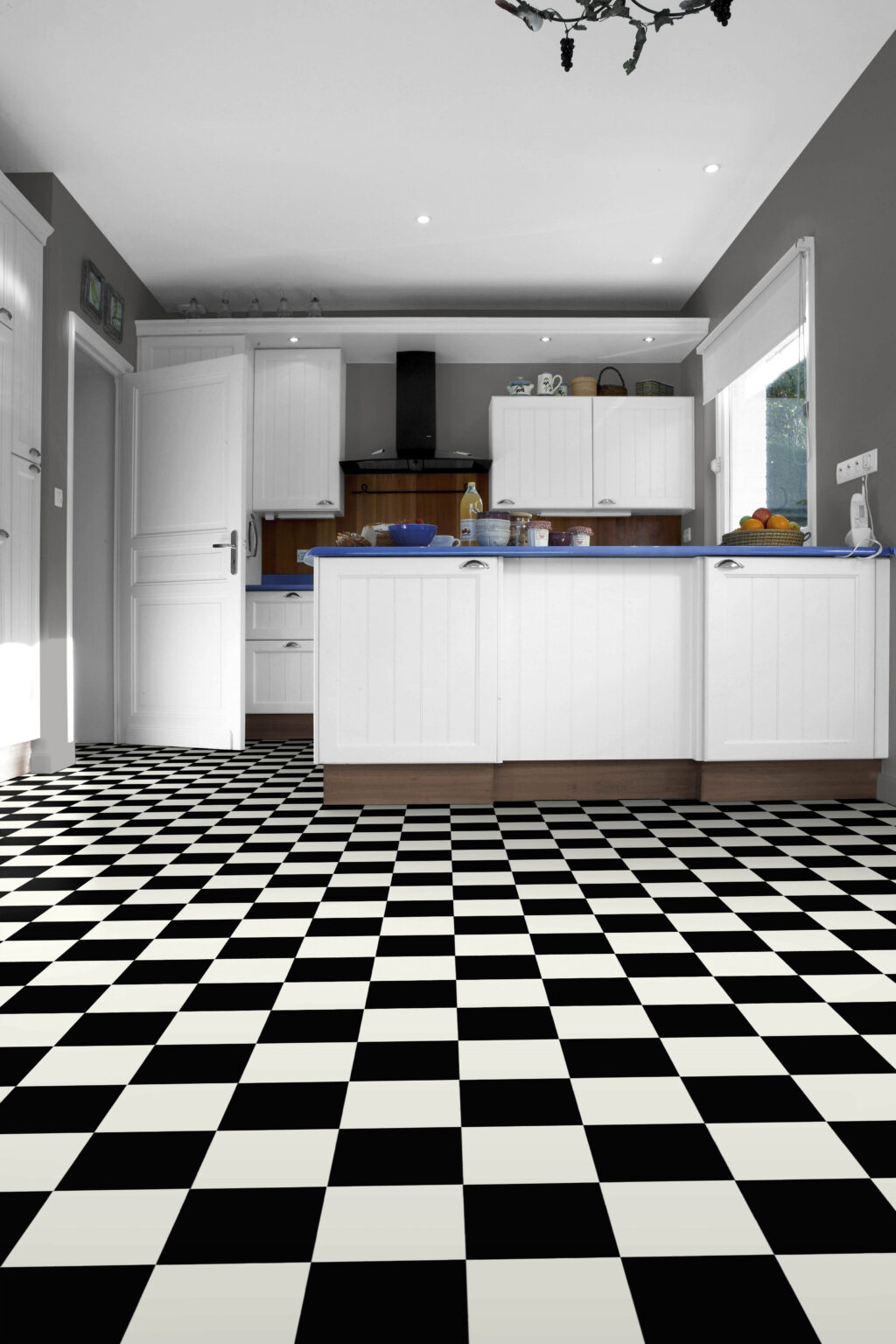
Vinyl planks can be a good option when you want a smooth, easy-clean surface. The key is choosing reputable ranges and confirming low-emissions documentation, especially in bedrooms.

Best for: practical bedrooms, renovation projects, low-fuss cleaning
Watch-outs: don’t assume all vinyl is equal; check product documentation

What to avoid (if allergies/asthma are the priority)

  • High-pile carpet in bedrooms, especially if symptoms are frequent

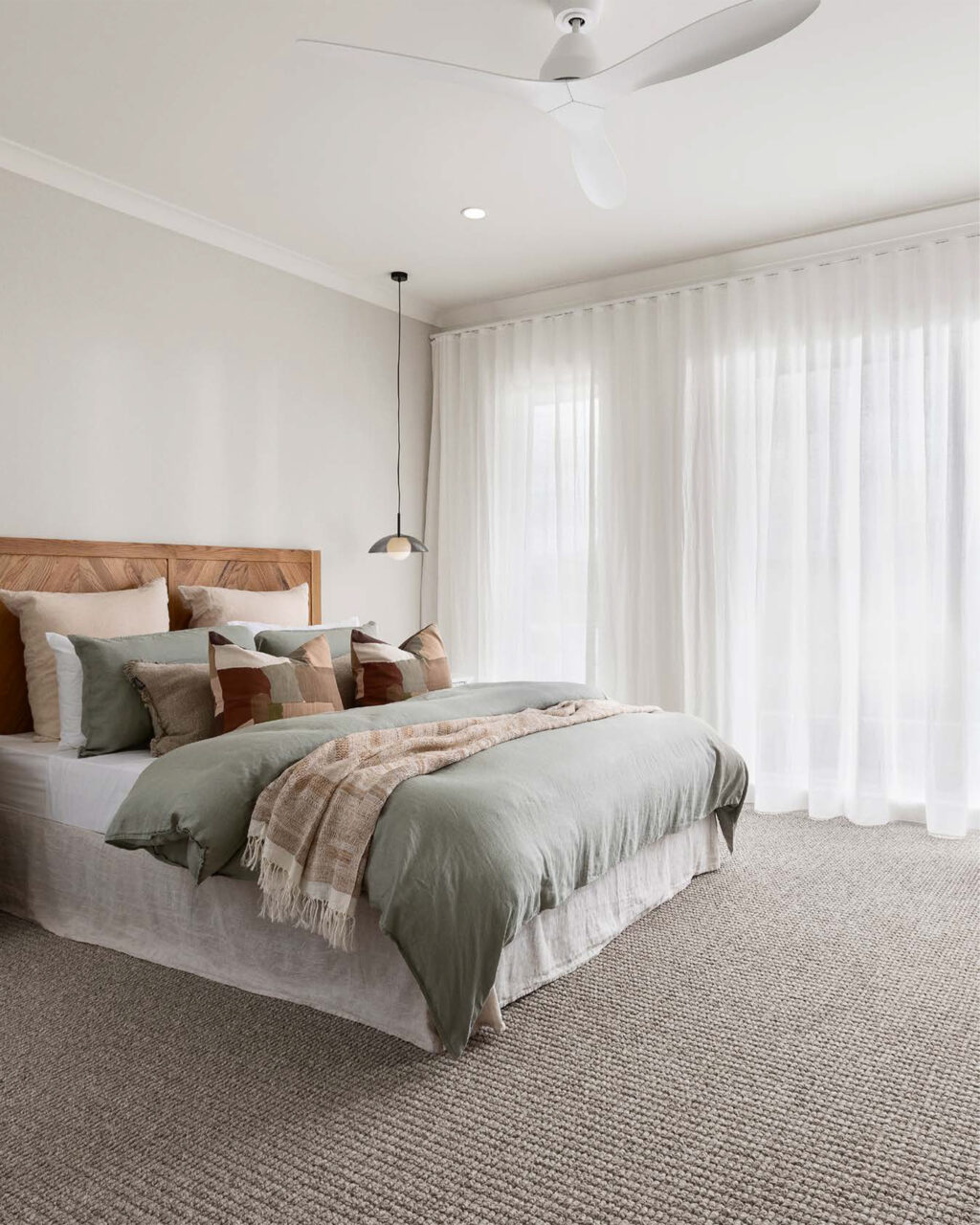
If carpet is still preferred, a short-pile option with a strict cleaning routine is usually a better compromise than plush pile


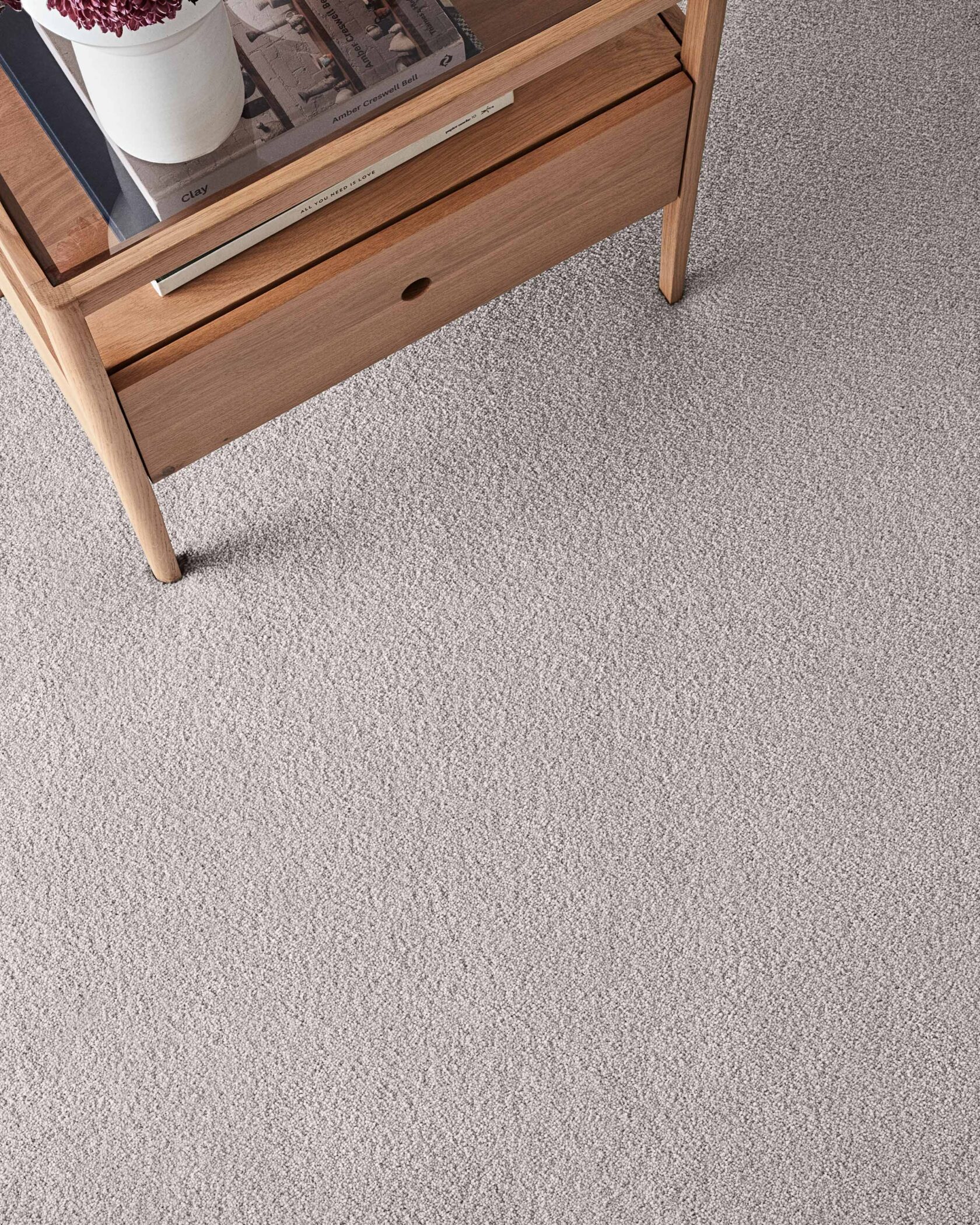
Carpet with dresser top shop
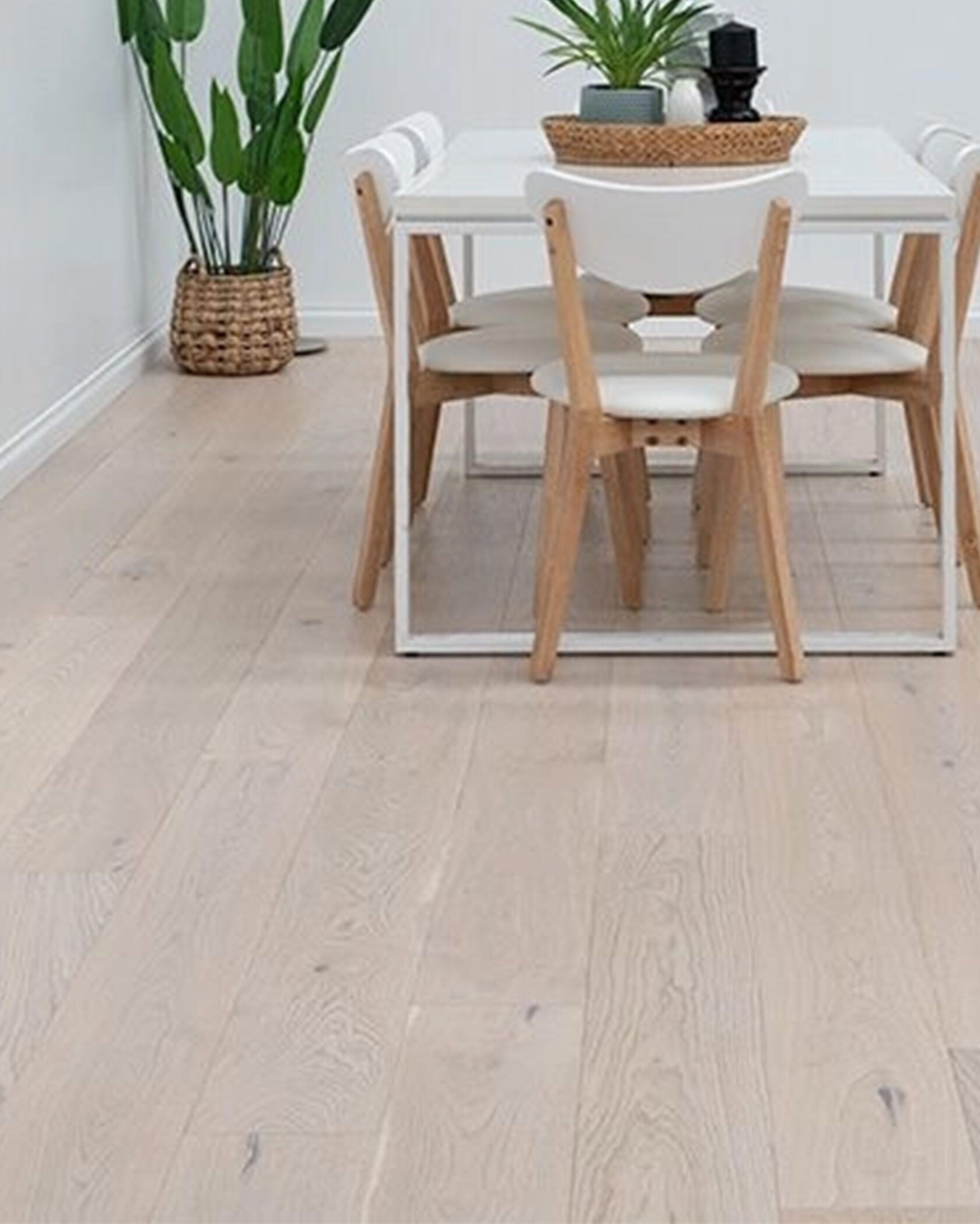
Timber Flooring in dining room with washed timber

Climate and Geography: Does It Change the Answer

For Australian bedrooms, it does. In Queensland and the Northern Territory, where summer humidity and warmth are real considerations, timber or hybrid flooring in the bedroom keeps the room feeling cooler and is easier to maintain hygienically. Wool carpet in a tropical or subtropical climate requires more diligent maintenance to prevent moisture issues.

In Victoria, Tasmania, the ACT, and the highland regions of New South Wales and South Australia, wool carpet’s thermal insulation advantage is more significant. Cold floors in winter are a genuine discomfort, and wool carpet handles this better than any alternative. If your bedroom gets cold in winter and you use it as a place of genuine retreat, wool carpet earns its premium price.

Coastal homes across all states, particularly those with higher ambient humidity, benefit from the moisture-management properties of wool’s natural fibre. A good wool carpet in a coastal bedroom can help moderate the room’s humidity rather than amplifying it, provided it’s maintained well and the subfloor isn’t contributing to moisture problems.

Questions We Hear in Store

How long does a quality wool bedroom carpet last?

A quality wool carpet in a bedroom, which is the lowest-traffic room in most homes, can last 15 to 25 years with proper maintenance. The key maintenance requirements are regular vacuuming, prompt stain treatment, and a professional clean every one to two years. Wool recovers from compression better than synthetics, which means it holds its appearance longer in a bedroom context.

Can I have timber flooring in a bedroom and still have it feel warm?

Yes. The standard approach is engineered timber throughout with a quality wool or wool-blend rug on either side of the bed. This gives you the visual and design qualities of timber with the tactile warmth underfoot where you actually feel it. The rug also helps with acoustics, softening the sound in the room. Your Floorworld consultant can help you think through rug sizing and placement.

Is wool carpet or engineered timber better for a child’s bedroom?

Wool carpet is typically the better choice for a young child’s bedroom. It’s softer on impact when children fall or play on the floor, provides acoustic benefit for parents trying to minimise noise transfer, and modern wool carpets are more stain-resistant than their reputation suggests. For older children and teenagers, the answer becomes more personal.

Does underlay matter under a bedroom carpet?

Yes, significantly. A quality underlay under wool carpet adds compression cushioning that makes the carpet feel more luxurious underfoot, extends the carpet’s life by reducing the stress on the pile, and adds thermal and acoustic performance.

Final word: What Should you Choose?

If your bedroom priority is comfort, quiet, and warmth, wool carpet is hard to beat. If you want a more architectural look and easier dust removal, engineered timber is the cleaner fit. And if you want both, timber with a quality wool rug is the safest luxury combination.

Floorworld store front
Your bedroom floor deserves proper consideration.
Visit your nearest Floorworld store or request a free measure and quote.

More Healthy Haven Flooring inspiration

-
My list

Your saved products will appear here.
Add floors you love to compare and share with your nearest Floorworld store.