-

Flooring and Air Quality: VOCs, Allergens and What to Choose

Surani Sahabandu
12 min read  ·   Published: Apr 7th, 2026   ·   Updated: Apr 27th, 2026
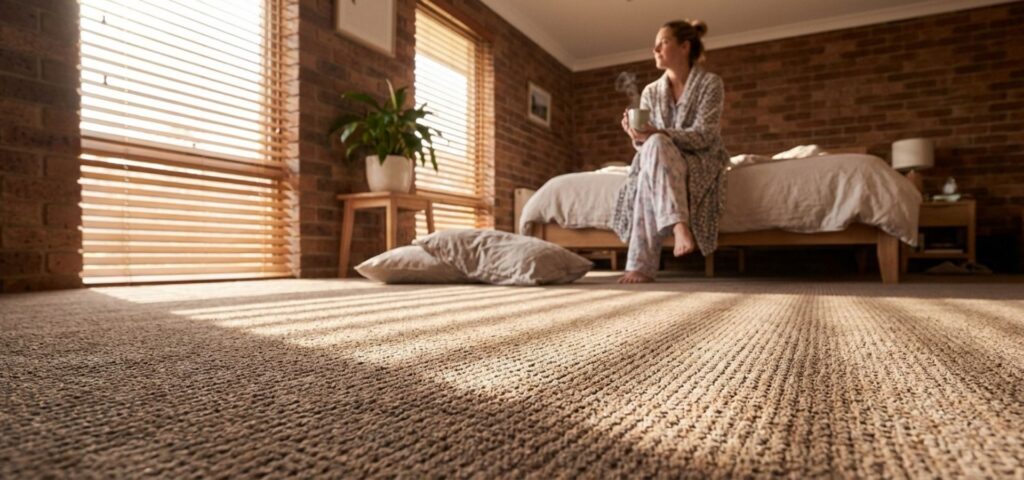
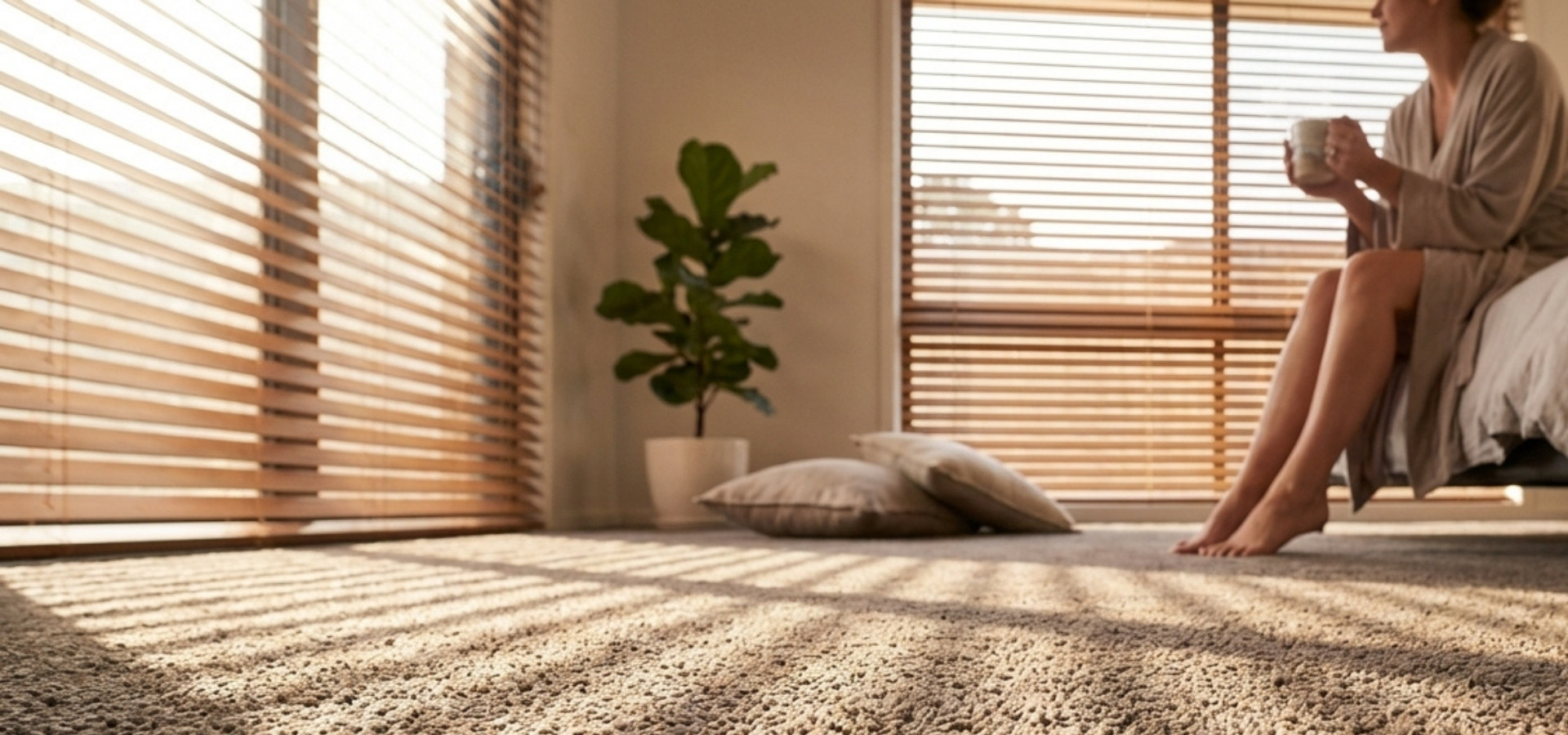
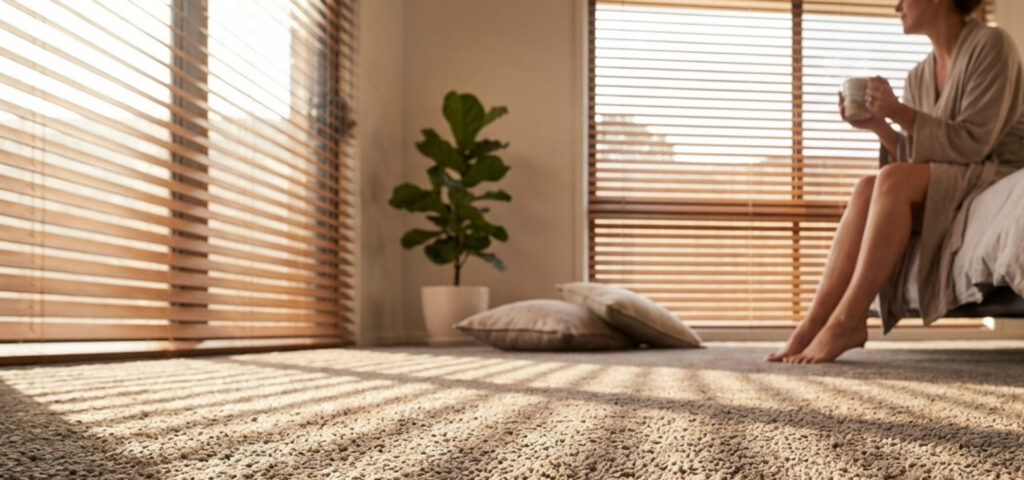
Comfy and healthy bedroom with shutters and carpet

Most people think about air quality as something outside: pollen, smoke, car exhaust. But indoor air quality is its own conversation, and flooring plays a bigger role than most households expect.

In simple terms, flooring affects indoor air quality in two ways:

  1. What it emits (chemical emissions like VOCs)
  2. What it holds (dust, allergens and everyday particles that settle over time)

A Healthy Haven is built around getting both parts right, without turning your home into a clinical space you’re scared to live in.

Explore the range of Healthy Haven Flooring at Floorworld. 

In this article

Quick answer: What Flooring is Best for Indoor Air Quality?

For most households prioritising indoor air quality:

  • Hard flooring (laminate, hybrid, timber) is often easier to keep clear of dust and allergens because particles sit on the surface and can be removed thoroughly.
  • If you prefer carpet, choosing the right fibre and construction (plus a consistent routine) matters more than most people realise.
  • For emissions, look for low-VOC documentation or third-party certifications and ask about underlay/adhesives too.

Key takeaways (so you don’t have to overthink it)

  • VOC emissions are usually strongest soon after installation and generally reduce over time, but ventilation and product type matter.
  • Allergens don’t disappear with hard floors, but hard floors make it easier to remove them completely with the right routine.
  • A “healthy home” outcome is mostly about product choice + realistic maintenance, not chasing perfection.

What Flooring Emits: VOCs and Why They Matter

VOC stands for volatile organic compounds. They’re chemical gases released from some manufactured materials. In flooring, emissions can come from:

  • adhesives used in manufacturing or installation
  • surface finishes and lacquers
  • some composite cores and binding agents (varies by product quality)

VOC emissions are often higher soon after installation and then decrease over time. The timeline varies based on the product, the installation method, and how well ventilated the space is.

When VOCs matter most

This tends to be most relevant in:

  • bedrooms (hours spent in an enclosed space)
  • households with young children, pregnancy, asthma, or sensitivities
  • homes that don’t ventilate easily (sealed windows, high humidity, limited airflow)

The practical approach: look for documentation

The most reliable way to compare VOC performance is to look for third-party certification or manufacturer emissions documentation.

GREENGUARD Gold (from UL) is one of the most widely recognised low-emissions certifications. It indicates the product has been tested against strict indoor air quality standards often referenced in schools and healthcare settings. Not every flooring product carries it, so it’s worth asking what documentation applies to the specific products you’re comparing.

What Flooring Harbours: Dust Mites and Allergens

The second air quality factor is what the floor collects and holds over time. Carpet pile is an efficient accumulator of dust mites, pet dander, pollen, dead skin cells, and mould spores. These particles embed in the pile between vacuuming cycles and can become airborne during disturbances such as walking across the room, sitting on the floor, or a draft through an open window.

Hard floors don’t trap particles in the same way. Dust and allergens sit on the surface where they can be removed with a damp mop rather than remaining embedded in fibres. For households managing allergies, asthma, or sensitivities, this surface-versus-embedded distinction is meaningful in everyday lived experience.

“The floor you walk on affects the air you breathe. In a bedroom where you spend eight hours, the distinction between a floor that traps allergens and one that doesn’t becomes part of the quality of sleep every night.”

A Real Healthy Haven Project

Priya and her husband came into Floorworld because their seven-year-old’s asthma symptoms were worse in the mornings, and their baby had just started crawling. They’d had carpet throughout the house for years.

Instead of starting with products, the conversation started with routine and which rooms mattered most. They replaced the living area and hallway with a low-VOC laminate, kept carpet in bedrooms for comfort, but switched to a tighter, more practical carpet style.

Six months later, Priya says the morning symptom pattern has improved noticeably.

The Honest Qualification: Hard Floors Are Not Perfect Either

This is the part that gets missed.

Hard floors don’t trap allergens, but that also means dust can be stirred up if cleaning is done the wrong way. A quick dry sweep can redistribute fine particles into the air rather than removing them.

The routine that works best (especially for sensitivities)

  1. HEPA vacuum (or a vacuum designed to reduce particle blowback)
  2. Damp microfibre mop to trap what’s left

Hard flooring is only as “healthy” as how often it’s cleaned. A carpet vacuumed every two days can outperform a hard floor that’s cleaned once a fortnight. Consistency beats intensity.

Room-by-Room: The Healthy Haven Approach

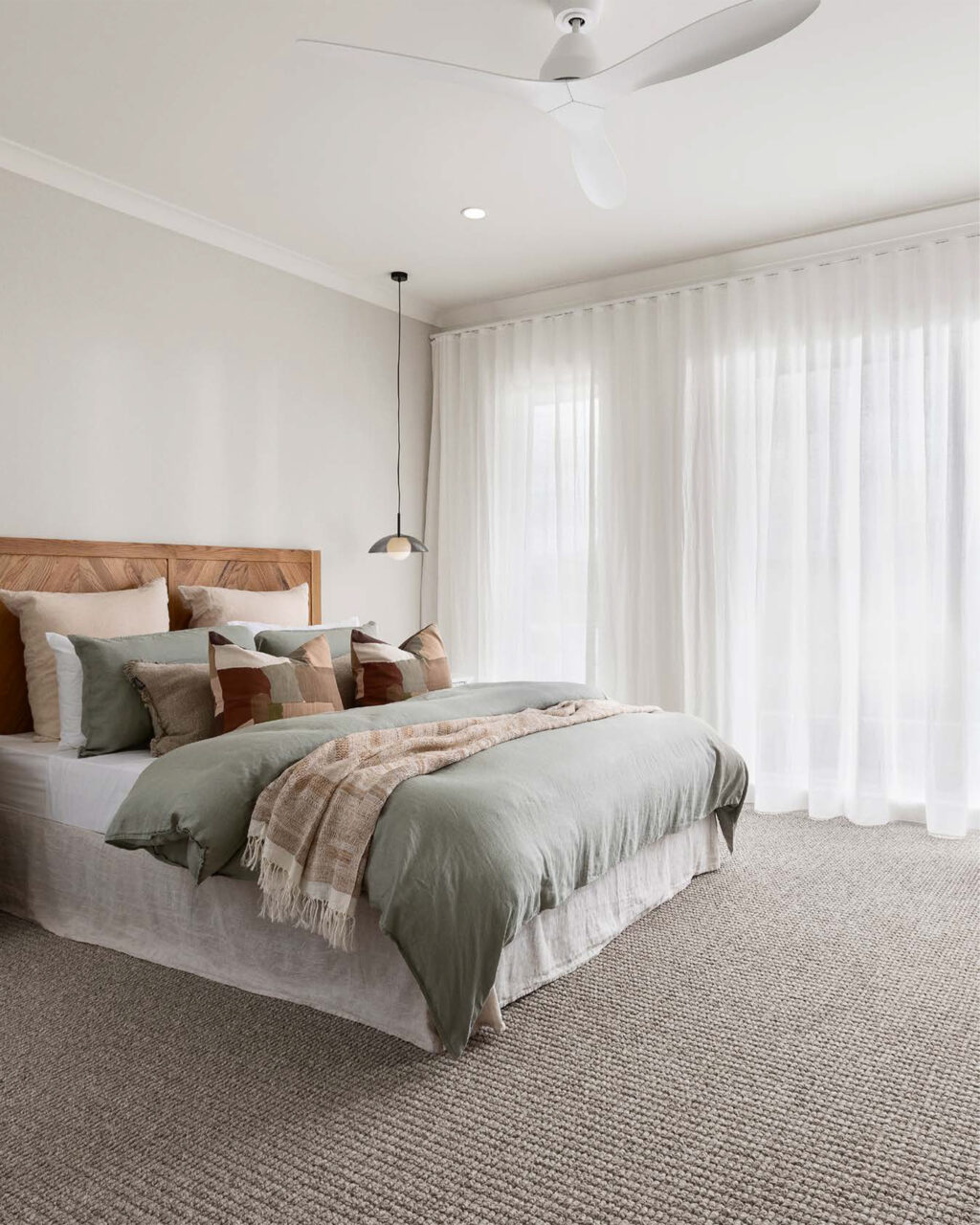
Bedrooms: Laminate or engineered timber for easiest day-to-day dust removal. Alternatively, Triexta or solution-dyed nylon carpet for warmth and comfort where smooth surfaces feel too clinical for a sleeping space.

Living areas: Laminate or timber for easy, regular dust removal in the most-used shared spaces.

Children’s rooms: Laminate for the simplest wipe-and-vacuum routine, or carpet for comfort and play.

Home offices: Laminate or timber for a clean, calm surface that doesn’t hold visible dust accumulation.

Hallways: Laminate for an easy-to-clean surface in a high-traffic area where grit and particles are introduced from outside.

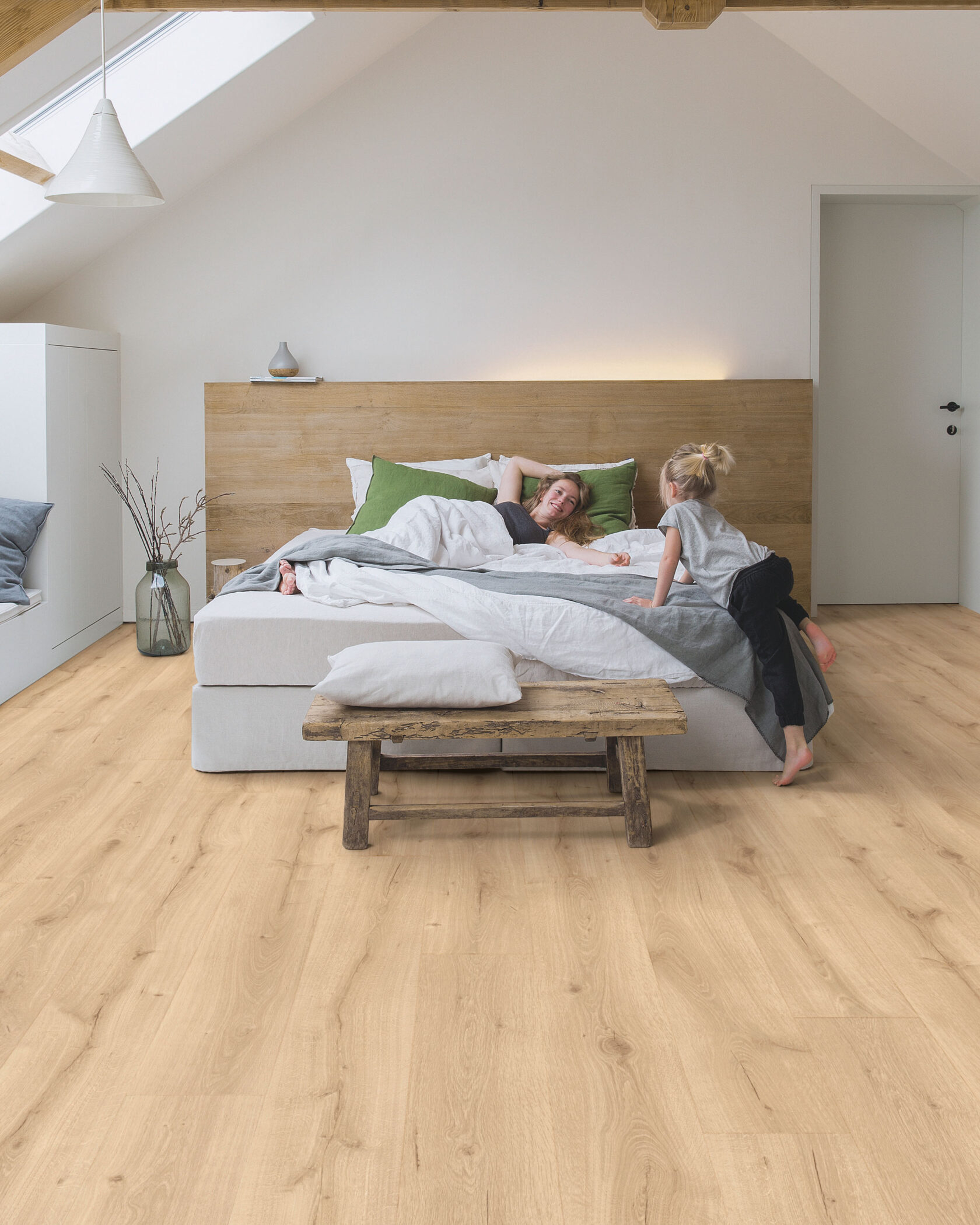
Laminate flooring in bedroom

The Four Healthy Haven Questions

From the self-assessment used in Floorworld stores for health-conscious households:

  • What’s the main driver?

Allergies, asthma, kids on the floor, general indoor air quality, or just wanting a cleaner-feeling home.

  • Do you prefer smooth or soft surfaces?

Smooth floors are easier for dust removal. Soft surfaces can still work in comfort zones with the right fibre and routine.

  • How realistic is your routine?

“Easy, clean and done” looks different from a household willing to do frequent deep cleans.

  • Which rooms matter most?

Bedrooms and living areas usually deliver the biggest benefit first.

Questions We Hear in Store

What does GREENGUARD Gold certification mean?

GREENGUARD Gold is a third-party certification from UL that indicates a product has been tested for low chemical emissions against strict indoor air quality standards often used in schools and healthcare settings. Not every product carries this certification, so ask what documentation applies to the specific flooring you’re comparing.

Is laminate or timber better for air quality in a bedroom?

Both are good choices for allergy-conscious bedrooms. The key variable for air quality is VOC emissions from the manufacturing process rather than the material category. A low-VOC certified laminate and a low-VOC certified engineered timber perform comparably on air quality. The choice between them for a bedroom comes down to underfoot warmth and acoustics (timber feels warmer) and maintenance protocol (both require similar damp mop routines).

Can I improve air quality without replacing my floor?

Yes. A consistent cleaning routine with a HEPA-filter vacuum and a damp mop makes the most significant practical difference to indoor allergen levels regardless of floor type. Improving ventilation through the home, particularly in bedrooms, also helps significantly.


Floorworld store front
See Healthy Haven flooring in person.
Visit your nearest Floorworld store or request a free measure and quote.

More Healthy Haven Flooring inspiration

-
My list

Your saved products will appear here.
Add floors you love to compare and share with your nearest Floorworld store.