-
  • Durable
  • Renovators Delight
  • Hybrid
  • Laminate

Whole House Flooring Renovation: One Floor Across Every Room

Surani Sahabandu
12 min read  ·   Published: Apr 7th, 2026   ·   Updated: Apr 13th, 2026

Whole-house flooring is one of the most consequential decisions in a renovation. Get it right and the floor ties every room together, making even a modest renovation feel considered and complete. Get it wrong, and you end up with a home full of transitions and near-matches that look “patched together” no matter how nice each individual room is.

This guide walks you through how to choose one consistent floor for a whole-home renovation, how to plan the install (especially if you’re living in the house), and the common mistakes that blow out budgets and timelines.

In this article

Quick answer: What’s the Best Flooring for a Whole-Home Renovation?

  • Hybrid is usually the easiest “one floor” option across living, dining, hallway and kitchen because it’s designed for busy homes and offers high water resistance.
  • Laminate can work well in drier areas (like bedrooms and studies) if you want to keep costs down and still get a durable surface.
  • The best result comes down to subfloor prep, transitions, and ordering from one batch if you’re staging the renovation.

The Case for One Consistent Floor

Most renovation projects start with the intention of choosing flooring room by room and end up with something that doesn’t quite flow. Kitchen gets a different product to the living room. Hallway doesn’t match either. Each individual decision made sense at the time, and the cumulative result looks assembled rather than designed.

A single, consistent floor through the main areas creates:

  • visual continuity (the home feels larger and calmer)
  • fewer transitions (less “busy” at doorways)
  • one maintenance routine
  • simpler planning (one installer sequence, fewer moving parts)

The renovation truth: continuity is the thing people notice immediately when they walk into a home. It’s also the thing you notice every day.

“One floor running through every room is worth more than several individually good choices. Continuity is the renovation outcome most people notice first and remember longest.”

A Real Renovator’s Delight Project

Matt and Sophie renovated a 1970s brick home in Adelaide’s inner suburbs and lived in it the entire time. They needed a plan that could be staged room by room, handle builder traffic, and still look cohesive once everything was done.

They ended up with:

  • hybrid through the main living zones for practical performance and easy cleaning
  • laminate in the study and second bedroom to stay on budget
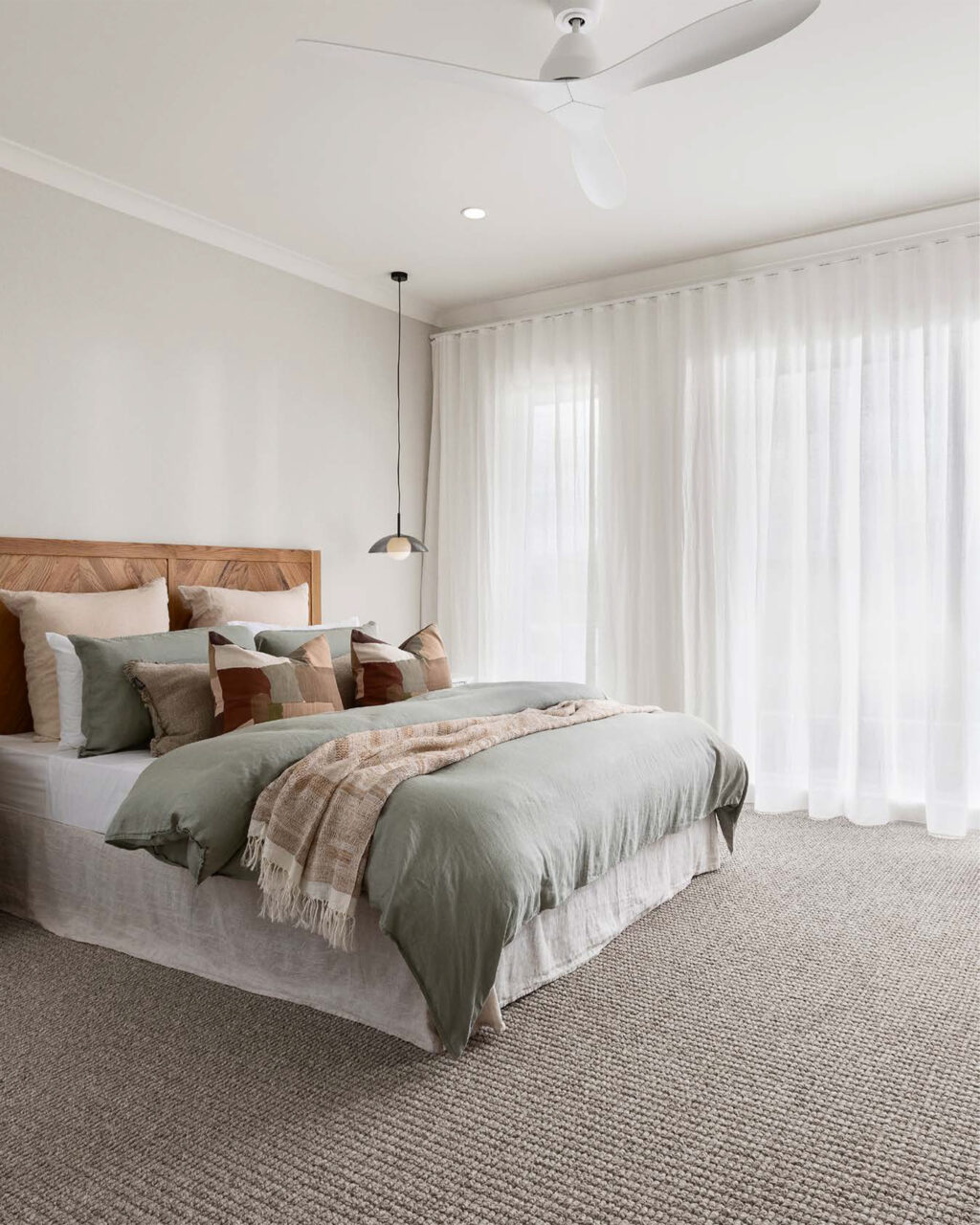
  • SDN carpet in the main bedroom for comfort and quiet

The key wasn’t the products. It was the plan: they ordered everything upfront to avoid batch mismatch and mapped transitions early so the result looked designed, not improvised.

What to Consider Before Choosing a Whole-Home Product

These are the same questions Floorworld consultants run through with renovation clients before recommending a whole-home floor.

1) Which rooms are in the “floor run”?

If you want the floor running through the kitchen and laundry as well as living areas, choose a product designed for high water resistance (product-specific) and everyday spills. Laminate and timber may still work in many homes, but they’re typically less forgiving in wet-prone zones.

Helpful reminder: spills are usually manageable. Leaks and water trapped underneath are what cause bigger problems over time.

2) What’s the subfloor condition?

Floating floors can handle minor imperfections, but the subfloor still needs to be flat, clean and structurally sound. Subfloor prep is one of the biggest “hidden” cost drivers in whole-home renovations.

3) Door clearances and finished floor height

Different products have different thicknesses, and a whole-home floor run affects:

  • door clearance
  • appliance height
  • transitions into bathrooms or carpeted rooms

Check this early so you don’t discover it after the floor arrives.

4) Are you installing all at once or staging?

If you’re living in the home while renovating, staging is common. The biggest tip here: order all rooms’ stock from the same batch upfront so colour and tone stay consistent across stages.


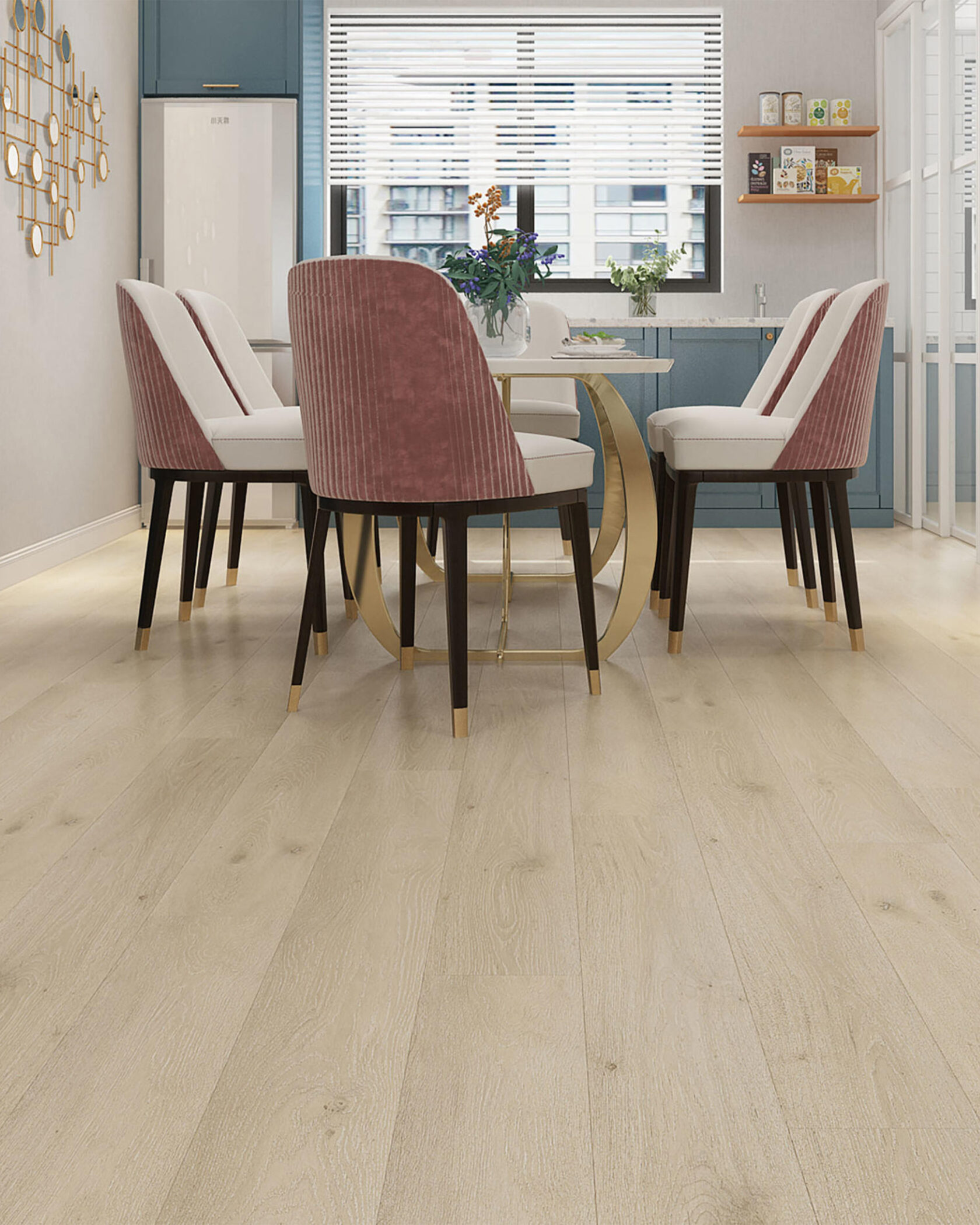
hybrid flooring in dining room

Planning the Installation Sequence

For a whole-home renovation, the sequence matters as much as the product choice.

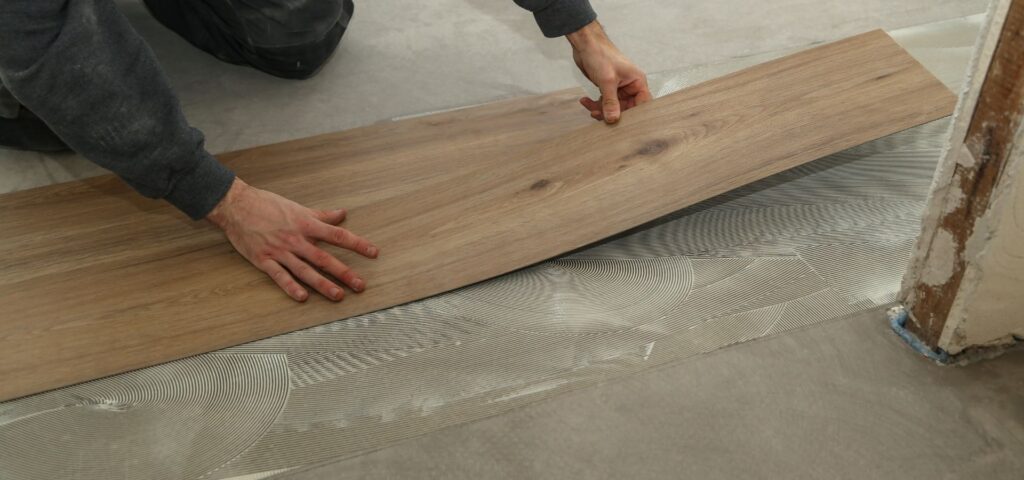
1) Prep the subfloor everywhere first

Levelling, adhesive removal and moisture checks should be done before installation begins. Finding subfloor problems room by room is one of the fastest ways to blow out timelines.

2) Install from lowest traffic to highest traffic

Bedrooms first, then living areas, then entry/hallway last. This reduces wear on installed flooring while work continues.

3) Expansion gaps aren’t optional

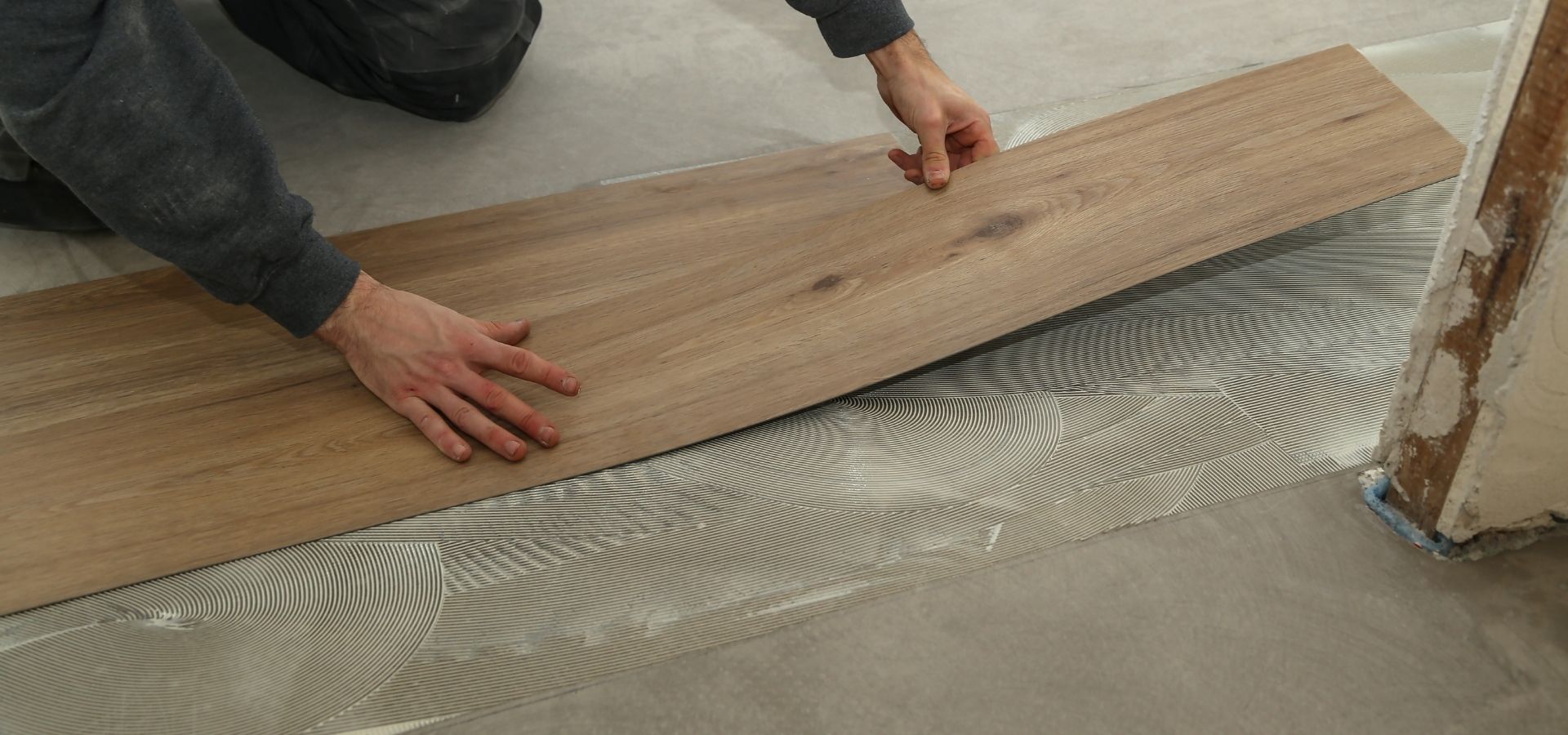
Floating floors need consistent expansion gaps. Skipping this is a common cause of peaking or lifting later, especially in large open-plan spaces.

4) Plan transitions early

Where the floor meets carpet, bathrooms, or a different flooring type, transitions should be designed, not improvised. Order threshold profiles early.

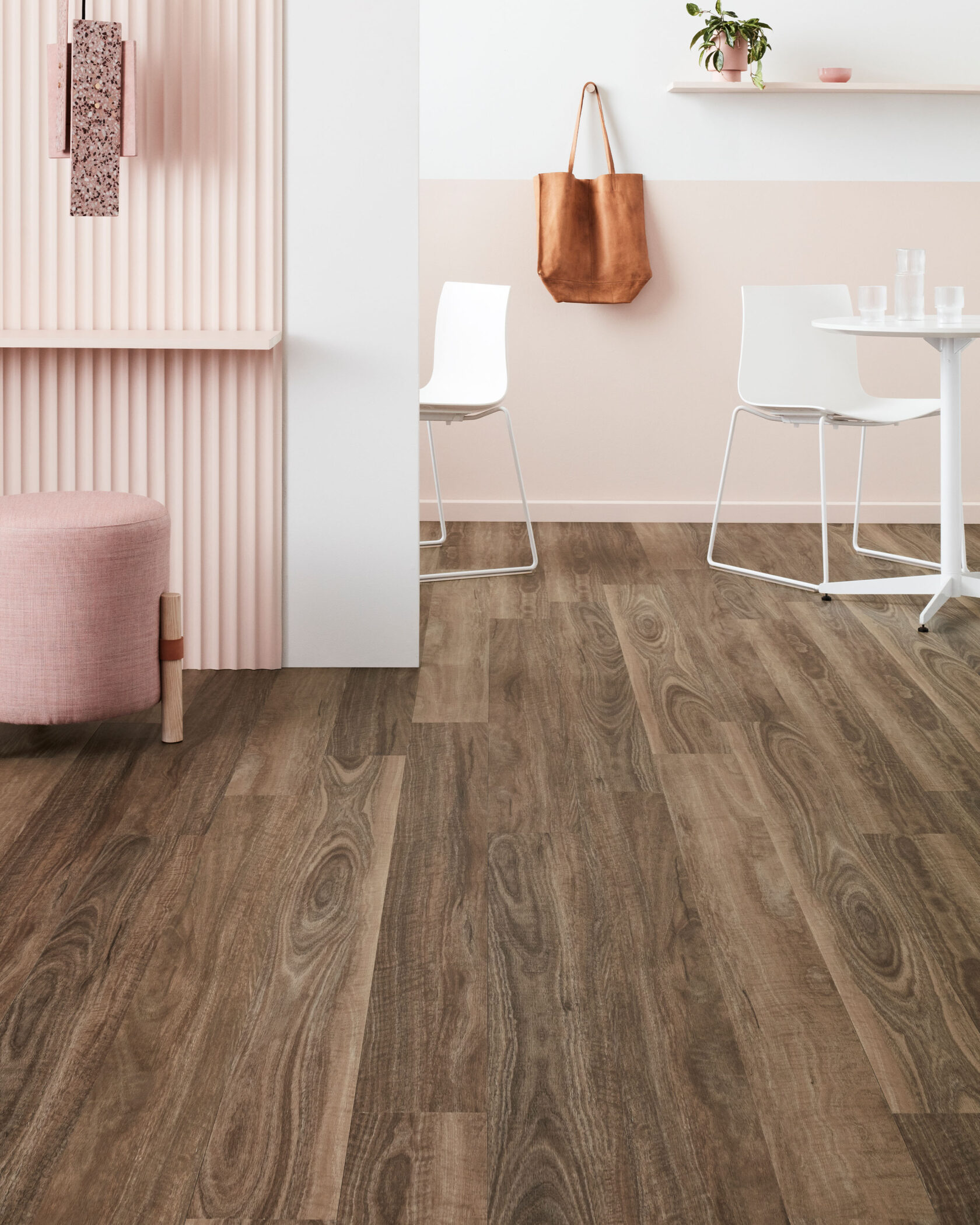
hybrid flooring with pink interior

The Whole-Home Renovation Floor Plan

Entry and hallway: Hybrid or laminate — consistent with the main living floor. This is the first impression room and should not be a different product.

Open-plan living, dining, kitchen: Hybrid. The one product that runs through all three without moisture limitations. If budget is the constraint, laminate in the living and dining, hybrid in the kitchen.

Bedrooms: Carpet for comfort and quiet. Choose a colour and tone that complements the hard floor in the hallway.

Laundry and bathroom adjacencies: Hybrid extends here too if the same product is running through the kitchen zone.

Study or second bedroom: If budget is tight, this is where laminate can substitute for hybrid without compromising the main areas of the home.

Whole-Home Renovation Do’s and Don’ts

Do:

  • order stock upfront from one batch (staged renos)
  • plan door clearances and transitions early
  • use one floor through high-traffic zones for continuity
  • take subfloor prep seriously (it affects everything)

Don’t:

  • choose room-by-room without a whole-home plan
  • assume existing tiles never need levelling
  • leave transitions until the end
  • skip expansion gaps in large areas

Questions We Hear in Store

Should I use hybrid everywhere including bedrooms?

It’s a valid option, but most renovation clients find that carpet in the bedrooms and hybrid through the main areas is the outcome they’re happiest with. Bedrooms benefit from the acoustic comfort and warmth of carpet in a way that main living areas don’t require. The floor transition from hallway hybrid to bedroom carpet, handled with a clean threshold strip, looks intentional rather than inconsistent.

How much extra stock should I order for a whole-home renovation?

Ordering ten percent over the measured quantity is the standard recommendation. This covers cuts, waste, and damaged boards during installation. More importantly for a staged renovation, order all rooms’ worth of stock from the same batch at the start of the project. Colour can vary slightly between production runs.

Can I install hybrid flooring myself in a whole-home renovation?

Quality hybrid with click-lock installation can be DIY installed in straightforward rooms with a flat, clean subfloor. For a whole-home renovation with multiple rooms, subfloor variation, and transitions, professional installation is the better investment. Installation errors in a whole-home project can compound where a badly-set first row becomes a problem in every subsequent room.

Floorworld store front
Plan your whole-home renovation floor with us.
Visit your nearest Floorworld store or request a free measure and quote.

More Renovators' Delight Flooring inspiration

-
My list

Your saved products will appear here.
Add floors you love to compare and share with your nearest Floorworld store.