-

Timber flooring looks best when it’s cared for properly. The catch is, it’s easy to accidentally dull the finish or cause moisture issues if you clean it like you would other hard floors.

This guide breaks down a routine you can actually stick to, what products are safe, what to avoid (yes, including steam mops), and how to keep timber looking good in Australian conditions like humidity swings and harsh sun.

Reviewed by: Anthony Zandona, National Sales Manager, Australian Select Timbers (AST)

In this article

Quick answer: the safest way to clean timber floors

  • Vacuum or dry mop 2–3 times a week (more often in busy areas) using a soft head
  • Use of suitable spray mop and pH-neutral cleaner. For larger spills a well-wrung out mop can be used to assist with wiping up the spills.
  • mop weekly with a pH-neutral timber floor cleaner and a well-wrung mop
  • Wipe spills immediately, especially near entrances, pet bowls, and food areas
  • Avoid steam mops, soaking wet mops, and vinegar (they can dull finishes or push moisture into joins over time)
  • In homes with big seasonal changes, keep an eye on humidity and direct sun

If you only do two things: keep grit off the floor, and spray mop (not wet mop) with the right cleaner.


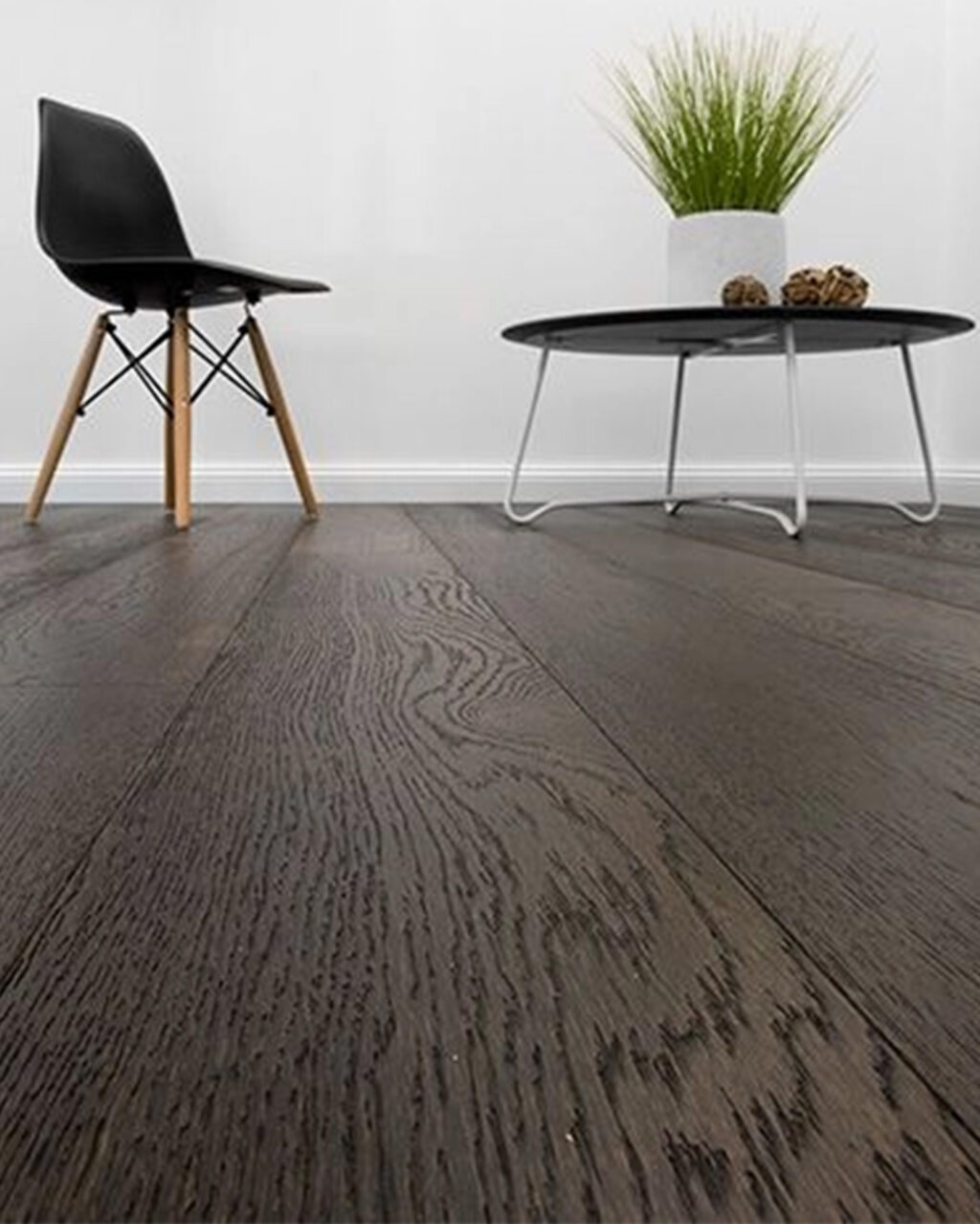
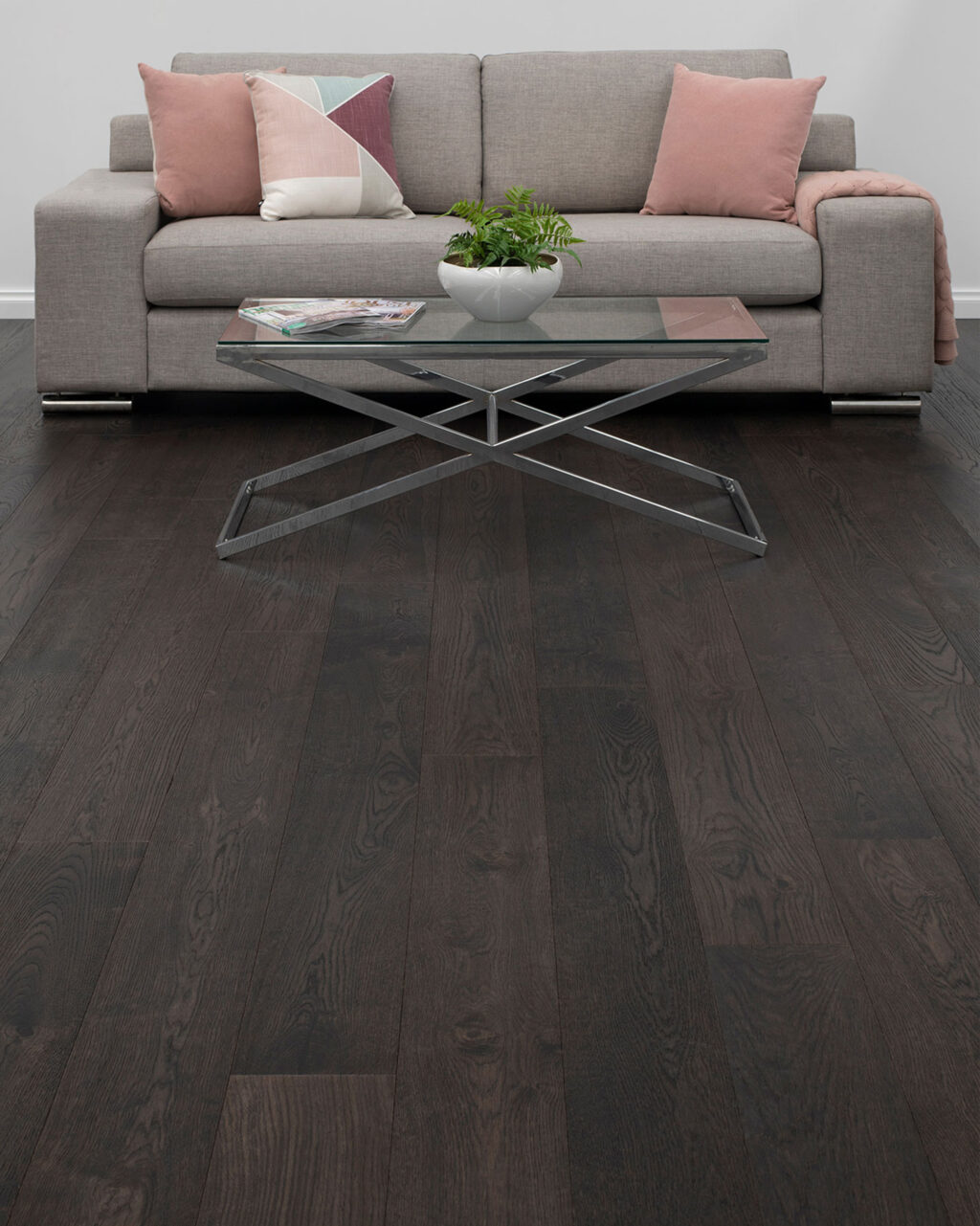
GrandOak Noble Timber Flooring – Lifestyle Image 1 | Floorworld
Australian Select Timbers (AST)
GrandOak Noble
Lacquered, $$$$
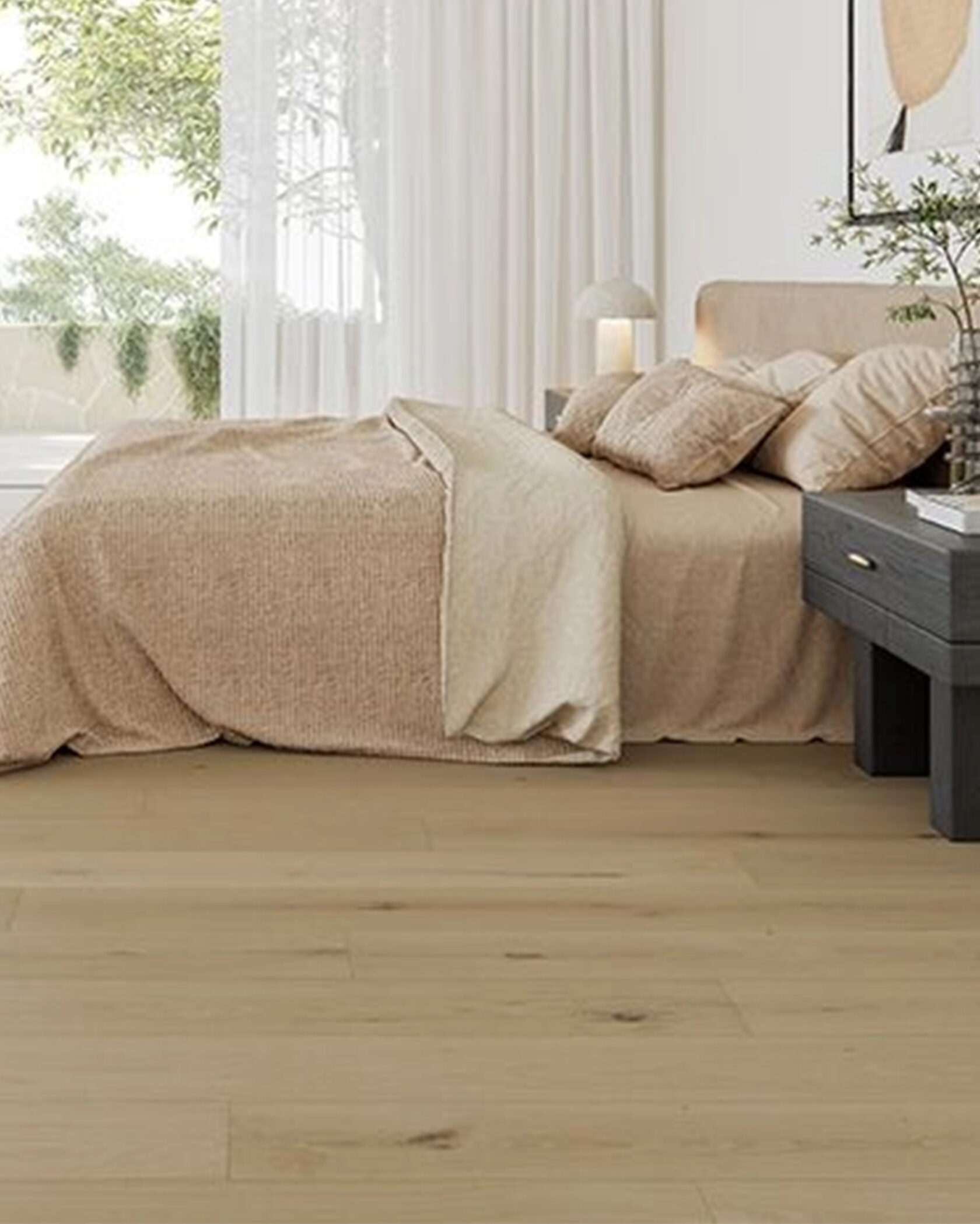
Timber flooring in comfortable bedroom with curtains

Timber floor care checklist (daily, weekly, seasonal)

Daily / as needed

  • Quick dry mop in entryways and main walkways

Weekly

  • Spray mop with a pH-neutral timber cleaner

Monthly

  • Check felt pads, chair feet, and high-wear lanes

Seasonal

  • Manage sun exposure and keep indoor humidity steady where possible

What you need before you start (so you don’t overcomplicate it)

Tools

  • Microfibre dust mop
  • Vacuum with hard-floor attachment (no rotating brush)
  • Soft cloths for spot cleaning

Products

  • A pH-neutral cleaner made for timber floors (not dish soap, not multi-purpose spray)

Two checks

  • If you’re not sure what finish you have, check your product details first, or see the finish section below
  • If your floor is newly installed, follow the manufacturer’s care guide first

How often should you clean timber flooring?

Most timber floors don’t need heavy cleaning. They need consistency.

  • Busy homes: dry mop or vacuum most days in entry and living zones
  • General routine: 2–3 times per week
  • Spray mop: weekly or fortnightly depending on traffic

The main reason timber floors start looking dull early isn’t age. It’s grit and cleaner residue.


What’s the best way to vacuum timber floors without scratching them?

Grit is the quiet destroyer of timber floors. It gets tracked in, then acts like sandpaper underfoot.

  • Use a microfibre dust mop or vacuum on bare floor mode
  • If your vacuum has a rotating brush (beater bar), switch it off
  • Don’t skip edges and under furniture where dust builds up
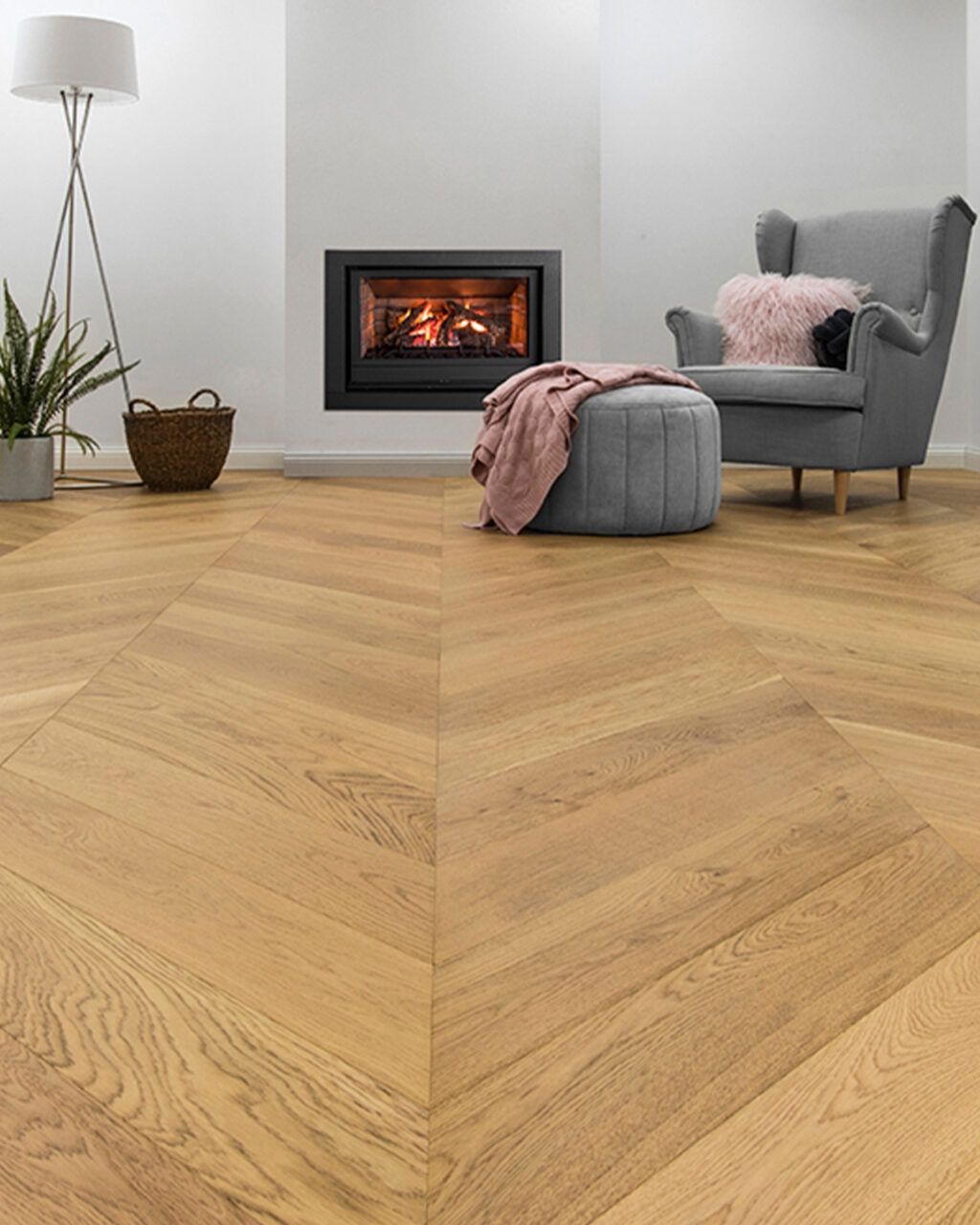
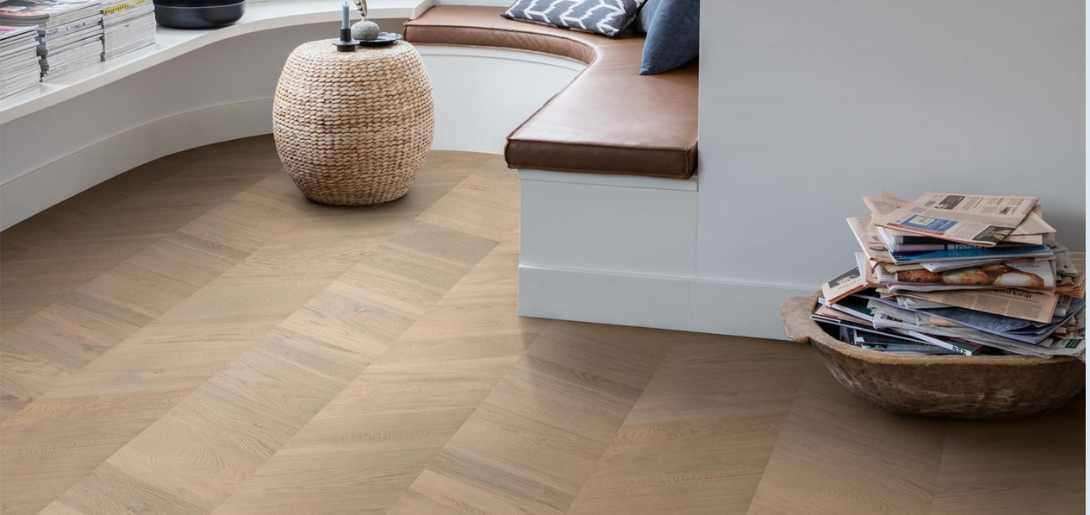
GrandOak Chevron Timber Flooring – Lifestyle Image 3 | Floorworld
Australian Select Timbers (AST)
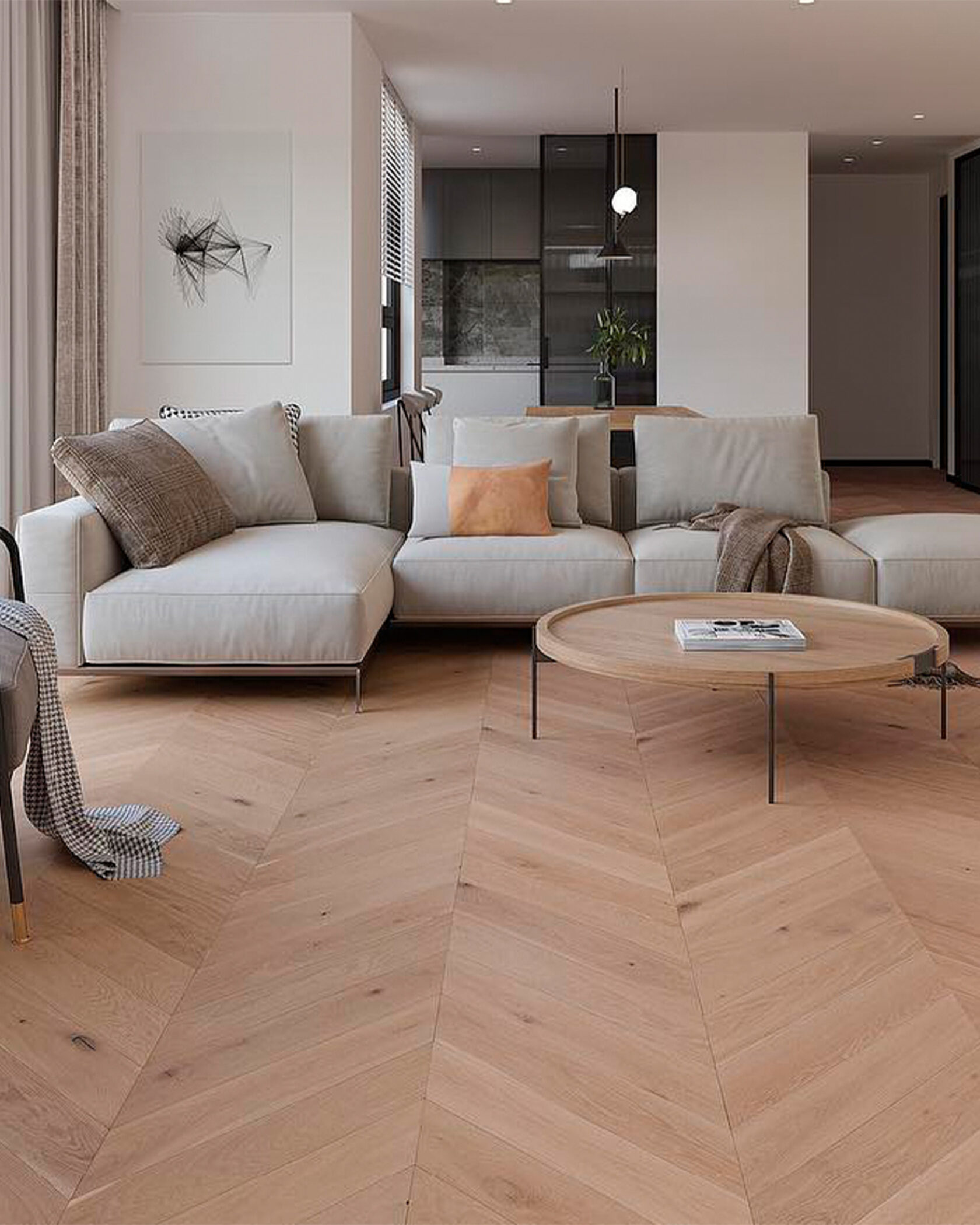
GrandOak Chevron
Lacquered, $$$$
GrandOak Chevron Timber Flooring – Lifestyle Image 2 | Floorworld

Can you mop timber floors without damaging them?

Yes, but a spray mop is recommended to use to ensure the flooring does not get too damp.

The mop should be barely damp. If you can see water sitting on the surface, it’s too wet.

  • Use a pH-neutral timber cleaner diluted as directed (or as per label instructions)
  • Mop with the grain
  • Let it air dry before normal foot traffic
  • Never leave water sitting on the surface


What should you avoid when cleaning timber flooring?

This is where most damage happens over time:

  • Steam mops (heat + moisture can stress finishes and push moisture into joins)
  • Soaking wet mops (standing water is a risk)
  • Vinegar / acidic DIY mixes (can dull or degrade finishes over time)
  • Ammonia-based cleaners (can be harsh on many finishes)
  • Household detergents that leave residue (often the cause of patchy dullness)

If in doubt, don’t experiment. If a product isn’t designed for timber floors, skip it.

How do you handle spills and stains on timber floors?

Spills are where timber gets damaged fast, but the fix is usually simple: act quickly.

  • Blot immediately with a dry cloth (don’t spread it around)
  • For sticky residue, use a small amount of pH-neutral cleaner on a cloth
  • Dry the area completely after cleaning
  • For stubborn marks, avoid “stronger” chemicals first and get advice

How to tell what finish your timber floor has (sealed vs oiled)

Different finishes need different care routines. The most accurate way to identify your finish is to check your product details or ask your installer or retailer.

If you’re still unsure, take a clear photo and bring it into store. Identifying the finish before choosing a cleaner is the safest move.

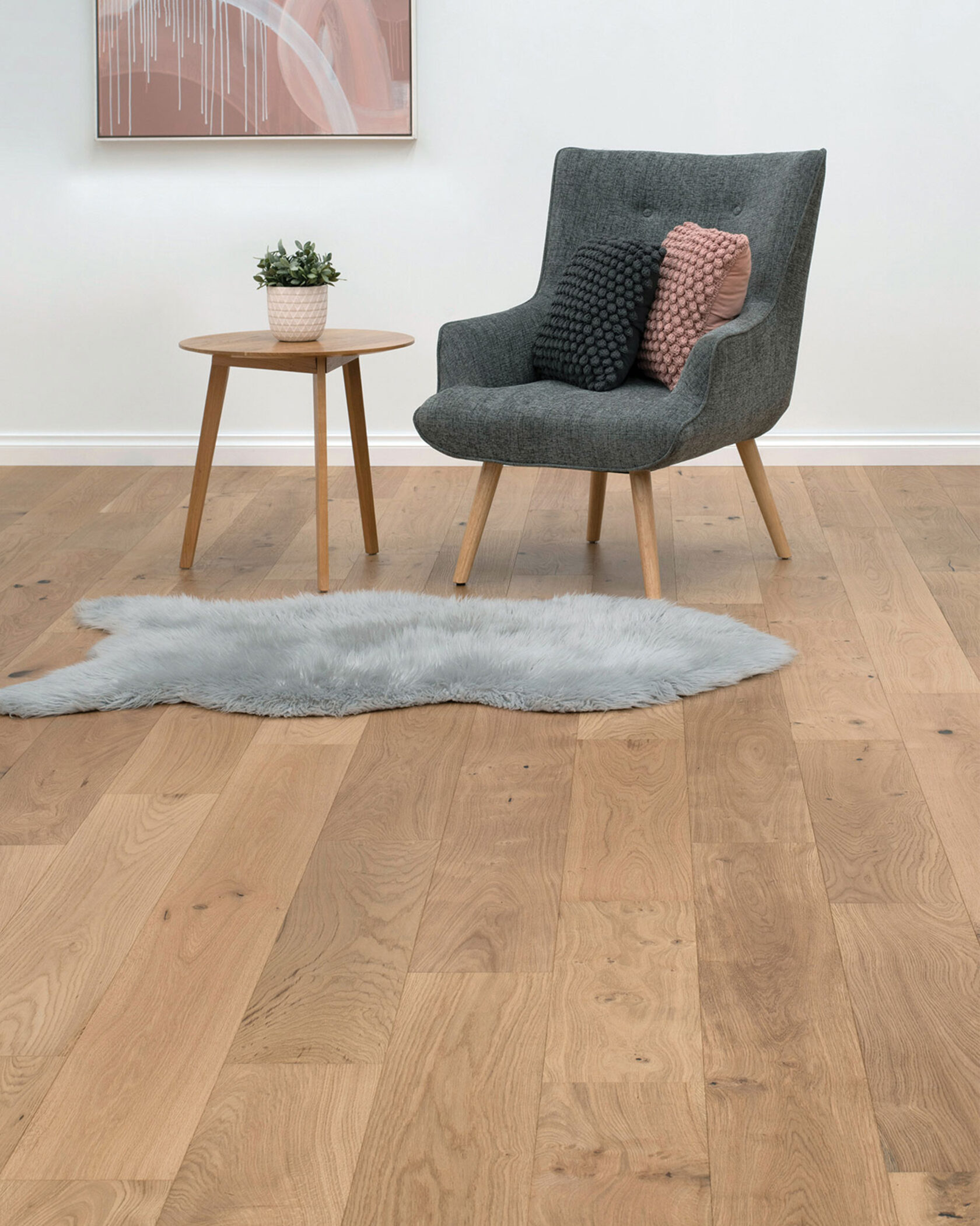
Coastline Timber Flooring – Lifestyle Image 1 | Floorworld
Australian Select Timbers (AST)
Healthy Haven
Coastline
Lacquered, $$$
Timber flooring interior with furniture and rug

Why timber floors need a bit more attention in Australia than most generic advice suggests.

Australia’s climate is harder on timber floors than most — wide humidity swings, scorching summers, and intense UV put stress on boards that overseas advice simply doesn’t account for.

Humidity changes: Timber naturally expands in humid conditions and contracts in drier air. Over a year, that movement can show up as small gaps, slight movement, or squeaks.
If you can, aim for steady indoor conditions. The goal isn’t perfection, it’s avoiding extremes.

Sun exposure: Direct sun can fade timber and finishes over time. If you’ve got big windows:

  • use blinds/curtains during peak sun
  • rotate rugs occasionally to prevent uneven colour change

How do you protect timber flooring from scratches and dents?

This is where small habits save you money long-term.

  • Add an outdoor doormat plus an indoor mat (entry grit is the biggest wear driver)
  • Use felt pads under furniture legs
  • Lift furniture instead of dragging it
  • Use runners in long hallways if that’s your main traffic lane
  • Keep nails trimmed if you’ve got pets

Three real-life scenarios (and what to do)

  1. Busy family home with kids: Prioritise entry mats and frequent dry mopping. If your floor looks “cloudy”, it’s often residue build-up from the wrong cleaner or over-mopping.
  2. Coastal home or humid climate: Keep airflow up and avoid trapping moisture under rugs. Damp mop less, and make sure your mop is properly wrung out.
  3. Apartment or upstairs home: Timber can amplify footfall noise. Rugs and runners in walkways help. Choose breathable rug backings and clean underneath regularly.

From the workshop floor: what timber care issues we see most often (Australian Select Timbers)

If there’s one thing we want homeowners to know, it’s this: most “damage” we hear about isn’t the timber wearing out. It’s cleaning habits that gradually dull the finish, leave residue behind, or push moisture where it shouldn’t go.

Here are the most common things we see, and what usually fixes it.

  1. The floor looks patchy or cloudy after mopping: What’s usually happening: cleaner residue or too much water.
What we recommend: use a pH-neutral cleaner matched to your finish, use less product, and wring the mop until it’s barely damp. If you can see water on the surface, it’s too wet.
  2. “I only used vinegar because it’s natural”: What’s usually happening: vinegar is acidic, and over time it can dull or weaken certain finishes. What we recommend: avoid DIY mixes and use a timber floor cleaner designed for your finish type.
  3. The floor has marks in the same walkway strip: What’s usually happening: grit. It behaves like sandpaper underfoot. What we recommend: two mats (outside + inside) and regular dry cleaning in traffic lanes. It’s simple, but it works.
  4. “Can I use a steam mop if I’m careful?”: What’s usually happening: steam forces heat and moisture into joins and edges. It might look fine short-term, then problems show up later.
What we recommend: avoid steam. Use a well-wrung mop and a finish-appropriate cleaner.

A simple tip we give almost everyone: mop one small section, then run your hand across it. It should feel slightly damp at most, never wet. That one habit prevents a lot of long-term issues.


Which cleaner does your timber floor actually need?

One of the most common questions homeowners ask is: what should I actually be cleaning my timber floor with? The honest answer is that it depends on your finish.

A cleaner that works well on one finish can leave residue, dull the surface, or gradually break down protective layers on another. The safest approach is always the same:

  • identify your finish
  • use a cleaner designed for that finish
  • follow the manufacturer’s care guide and label directions

If you have an Australian Select Timbers (AST) floor, follow AST’s care guide and use the cleaner system recommended for your finish type. If your timber floor is from another manufacturer, the same principle still applies: match the cleaner to the finish and follow that manufacturer’s instructions.

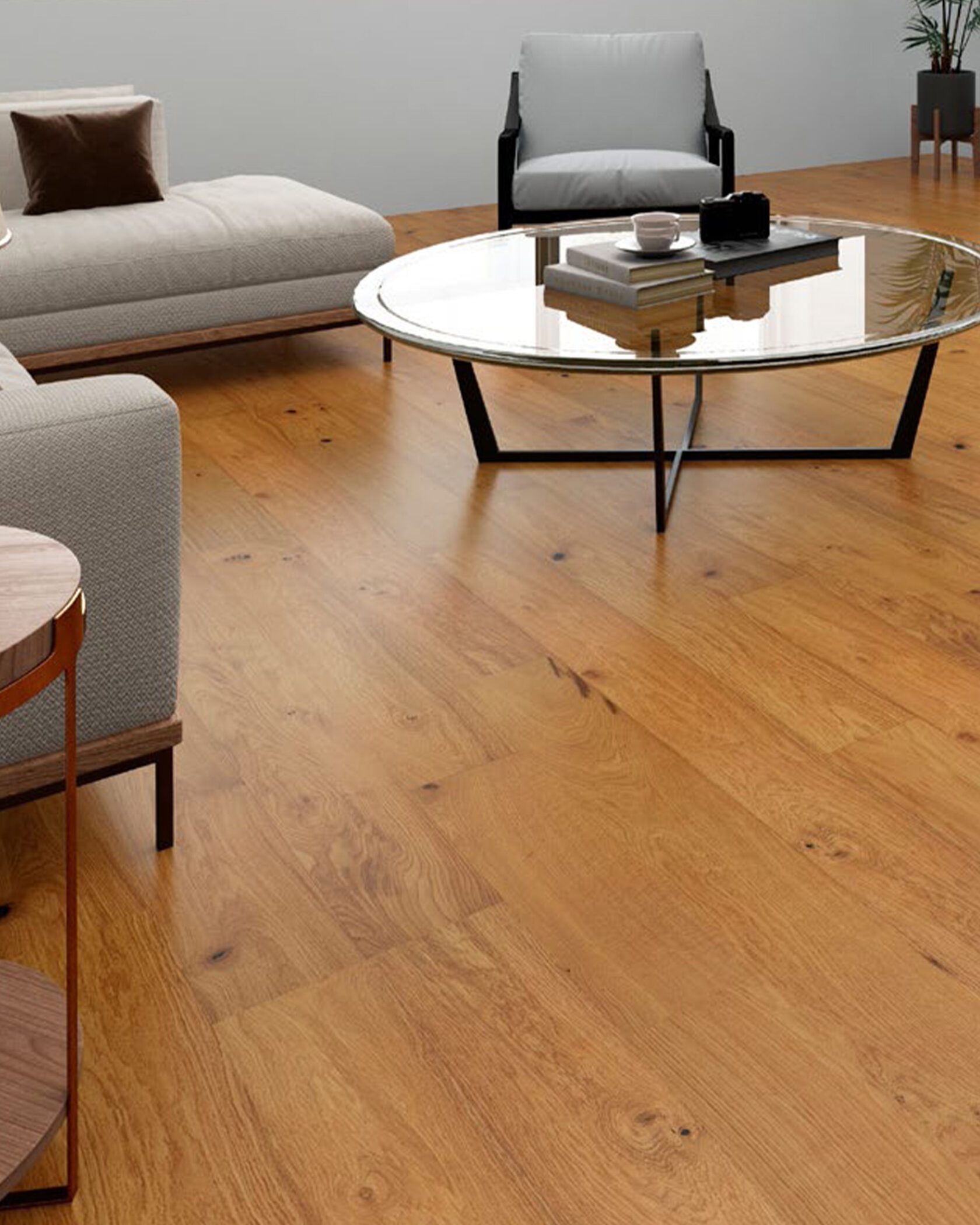
Aurora Oak Timber Flooring – Lifestyle Image 1 | Floorworld
Australian Select Timbers (AST)
Healthy Haven
Aurora Oak
Lacquered, $$$
aurora-lifestyle-2

FAQs about cleaning and maintaining timber flooring

  • Can you use a steam mop on timber floors? It’s generally not recommended. Steam introduces heat and moisture, and over time that can stress finishes and push moisture into joins.
  • How often should you damp mop timber floors? Weekly is common, but fortnightly can be enough in lower-traffic homes. The bigger priority is regular dry cleaning to remove grit.
  • What’s the safest cleaner for timber floors? It depends on your finish. For most sealed timber floors, a pH-neutral timber floor cleaner is usually the safest option. For oil or wax-oil finishes, use a cleaner formulated specifically for that finish type. If you have an AST floor, follow the AST care guide for the recommended cleaner for your finish.
  • Why is my timber floor gapping or warping? Moisture is a common factor: humidity swings, repeated wet mopping, spills left too long, or moisture coming from below the floor. Some seasonal gapping can be normal.
  • Can you refinish timber floors if they’re scratched? It depends on the product and finish. Some timber floors can be sanded and refinished, while others may only allow recoating or a limited refresh.

Compliance note

This article provides general care guidance for common timber flooring finishes in Australian homes. Always follow your product’s manufacturer care instructions and warranty conditions, as cleaning products, moisture limits, and maintenance schedules can differ by range and finish.

Approximate Read Time: 17 Minutes

We love flooring! And when you love something, you (hopefully) want to do whatever you can to look after it. Introducing our ultimate flooring care and maintenance guide to ensure you know how best to care for your floors!

Whether you’re a proud owner or looking to purchase some new vinyl, hybrid, timber, carpet, or laminate flooring, this comprehensive article will equip you with the knowledge and tips needed to keep your floors looking flawless for years to come.

From general cleaning techniques to product-specific care instructions, the team at the Floorworld Blog have got you covered every step of the way.
Womens feet on Flooring

Table of Contents

1. General Floor Cleaning Tips

2. Things to Watch Out For When Caring for Your Floors

3. Preparation Before Cleaning Your Floors

4. Carpet Flooring Care and Maintenance

5. Vinyl Flooring Care and Maintenance

6. Hybrid Flooring Care and Maintenance 

7. Timber Flooring Care and Maintenance

8. Laminate Flooring Care and Maintenance

9. Seasonal Care Tips for Flooring

10. Flooring Care for Homes with Children, Pets, and Allergies

11. Eco-Friendly Solutions for Cleaning and Maintaining Your Floors

12. Frequently Asked Questions

13. Conclusion to Your Flooring Care and Maintenance Guide


1. General Floor Cleaning Tips

Consistent and regular cleaning is the cornerstone of any floor maintenance. Regardless of the type of flooring you have, having a clear cleaning routine is crucial for keeping dirt, grime, and stains away and improving the longevity of your floors.

Here are a few things to help you effectively clean your floors:

Sweep or Vacuum: Remove loose dirt, dust, and debris using a broom or vacuum cleaner with a soft brush attachment. Pay special attention to corners, edges, and under furniture where dirt tends to accumulate.

Mop with the Right Type of Cleaner: After dry cleaning, you may consider mopping your floors using a suitable cleaner for your flooring material. Avoid using harsh chemicals or abrasive cleaners that can damage the surface.

Instead, opt for pH-neutral or mild detergent solutions recommended by the flooring manufacturer that are suitable for your specific flooring.

Use the Right Tools: Choose cleaning tools that are gentle yet effective on your floors. Microfiber mops and soft-bristled brushes are ideal for most flooring types as they trap dirt and prevent scratching.

Understand Your Flooring: Different flooring types and even categories within that type require different cleaning methods and techniques. Be sure to read up and check you have the correct method for the right floor.

Avoid Excess Moisture: Some flooring types do not do well with moisture, and even for water-resistant ones, excessive moisture can still cause damage over time. Be sure to wring out your mop thoroughly to avoid leaving behind puddles, and always dry the floor promptly after mopping.


2. Things to Watch Out For When Caring for Your Floors

While proper cleaning and maintenance can prolong the life of your floors, it’s essential to be mindful of potential hazards and take preventive measures to avoid damage:

Heavy Furniture: Avoid dragging heavy furniture across the floor, as it can scratch or dent the surface. Consider using furniture pads or coasters under chair legs and table feet to distribute weight evenly and prevent indentations.

High Heels and Spiked/Studded Shoes: Avoid wearing high heels or shoes with sharp, pointed soles indoors. They can leave dents or cause damage to certain flooring materials, such as timber and laminate.

Pet Claws: Trim your pet’s nails regularly to prevent them from scratching or gouging the floor surface, especially if you have hardwood or laminate flooring.

Direct Sunlight: Prolonged exposure to direct sunlight can cause fading and discolouration of certain flooring materials, such as timber and vinyl. Use curtains, blinds, or UV-blocking window film to protect your floors from harmful UV rays.

Moisture and Humidity: Excessive moisture and humidity can lead to mould, mildew, and warping of wood-based flooring materials. Use a dehumidifier in humid climates and wipe up spills promptly to prevent water damage.

Consider the Needs of Your Household: Specific households with pets, children and especially allergy sufferers may require further thought depending on the individual’s sensitivity to cleaning products.

Make sure to keep them away from areas being cleaned or use pet-safe, non-toxic or hypoallergenic cleaners with proper ventilation to mitigate the risk.

1 Cat Sharpening Claws on Scratching Post


3. Preparation Before Cleaning Your Floors

Here’s a step that we find some miss. Before getting out the vacuum and mop, there are a few steps you need to take to ensure the best cleaning for your floors.

Clear the Area: Remove furniture, rugs, and any objects from the floor to access the entire surface. This prevents obstacles from getting in the way and ensures you don’t miss any spots.

Check for Specific Manufacturer Instructions: Always check your flooring manufacturer’s care guide. They often provide specific instructions that are crucial for maintaining the warranty and longevity of your floors.

Spot-treat Stains: Check for stains or spots that can’t be dealt with general cleaning. Use specific stain removers for your type of floor to treat these areas before you begin cleaning overall. Depending on the surface, be gentle, blot, and don’t rub to avoid spreading the stain.

Check for Scratches and Gouges: Identify any scratches or gouges in your flooring. Ideally, these should be repaired before cleaning to prevent water or cleaning solutions from seeping in and causing long-term damage.

Protect the Finish: For floors with an external finish, ensure you’re using suitable cleaning products. Avoid harsh chemicals that can strip the finish or damage the material.

Check for Loose Sections: Examine the floor for any loose or peeling sections. Secure these before cleaning to prevent further damage.

Choose the Right Cleaners: Each flooring type requires a specific use case. Make sure to read up and check what works for your floor, whether it be more pH-neutral cleaners or less moisture-rich options. Be wary of harsh chemicals that can degrade the layers of your flooring.
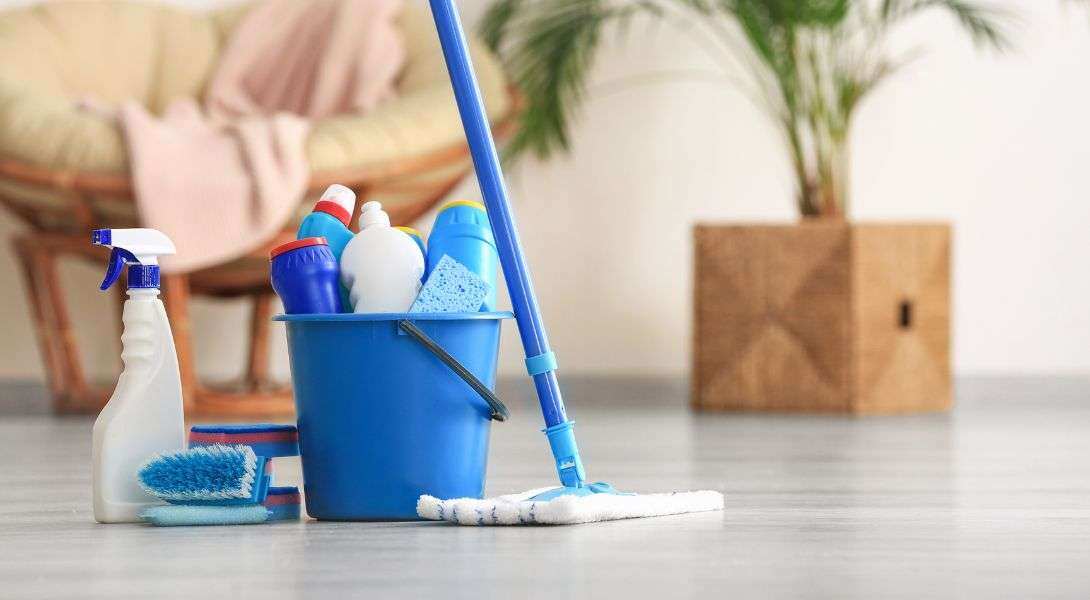
2 Set of Cleaning Supplies on Floor in a Room


4. Carpet Flooring Care and Maintenance

Carpets are great! They feel great, look great and add a touch of comfort to any home. Read on to find out how to bring out the best in your carpets and considerations you may not know about cleaning your specific carpet fibre.

Let’s start with some straightforward tips to keep your carpets looking that way for years to come:

  • Regular cleaning is essential to maintain your carpets.
  • Vacuum at least once a week using a high-quality vacuum cleaner.
  • Treat spills promptly to prevent them from becoming permanent stains.
  • Avoid excessive water during cleaning to prevent mould and mildew growth.
  • Trim loose fibres and test cleaning solutions on a small area for colourfastness.
  • Blot don’t rub
  • Avoid cleaning too frequently to reduce wear on your carpets.


For a deeper look into anything mentioned in this section regarding carpet care, read our article: How to Deep Clean and Maintain Your Carpet: A 9-Step Guide.

How Different Carpet Types need Different Cleaning Methods

Carpets are made of different fibres, each with its own unique features and advantages. Each requires its own specific cleaning methods to bring out the best in it. Knowing what kind of carpet you have is essential before deciding on a cleaning method.

  • Wool carpets: Sensitive to moisture, so dry cleaning or limited low-moisture options are best.
  • Solution-dyed nylon carpets: Can handle steam cleaning, but pH-balanced solutions can be used to avoid damage.
  • Triexta carpets: Similar to solution-dyed nylon, can be steam cleaned with pH-balanced solutions.
  • Polyester carpets: Resist stains but need regular vacuuming and occasional steam cleaning.
  • Polypropylene carpets: Moisture-resistant but vulnerable to heat damage, so avoid using hot water in your cleaning.


Quick step-by-step Carpet Cleaning Guide

1. Vacuum thoroughly to remove surface dirt and debris.

2. Spot-treat stains promptly with appropriate stain removers.

3. Choose the proper cleaning method based on your carpet type (dry cleaning, steam cleaning, or shampooing).

4. Rinse with clean water to remove residue and excess moisture, making sure to extract as much moisture as possible so as not to cause long-term damage.

5. Ensure proper ventilation for drying, and avoid walking on the carpet until fully dry.

Carpet Maintenance after cleaning

What use is cleaning your floors if you can’t maintain them? Below are a few brief recommendations for how to maintain your carpets:

  • Regularly vacuum to reduce dirt build-up
  • Place doormats at entrances and high-traffic areas
  • Furniture coaster and pads to prevent damage
  • Move around furniture occasionally to reduce wear
  • Avoid direct sunlight damage
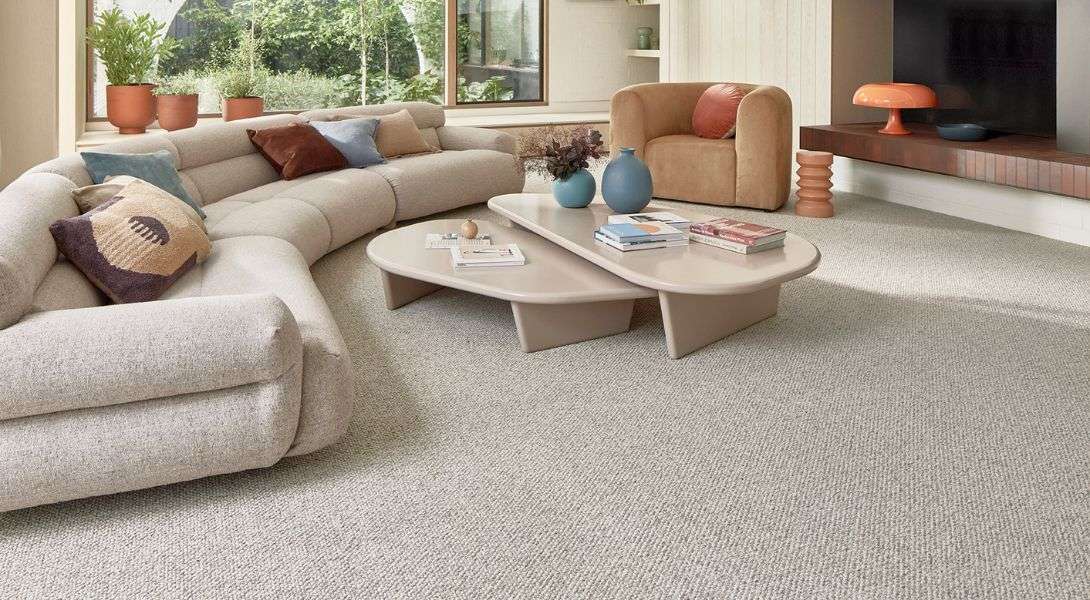
    Modern Living Room with Carpet Floors


5. Vinyl Flooring Care and Maintenance

We appreciate vinyl flooring as an affordable option known for its durability, water resistance, ease of maintenance, and ability to mimic natural, more expensive materials. In this section, we discuss how to clean and care for vinyl floors to keep them looking their best.

Let’s start with some general tips for vinyl flooring maintenance:

  • Clean vinyl floors and sweep or vacuum regularly to remove dirt and debris.
  • Mop with a vinyl floor cleaner or a mixture of warm water and mild detergent.
  • Avoid using abrasive cleaners or scrub brushes that can scratch the surface.
  • Use a gentle scrubbing pad or nylon brush for tough stains or scuff marks.
  • Consider applying a vinyl floor polish or protective coating to enhance durability and shine.
  • Avoid using excessive water during cleaning to prevent moisture from seeping into seams.

How Different Vinyl Types Need Different Cleaning Methods

Vinyl flooring comes in various types, each with its own unique features and cleaning requirements. Here’s how to handle the most common types:

  • Luxury Vinyl Plank (LVP): LVP mimics the look of natural wood and requires regular sweeping and damp mopping with a vinyl floor cleaner to maintain its appearance.
  • Luxury Vinyl Tile (LVT): LVT replicates the look of stone or tile and can be cleaned similarly to LVP. Avoid using abrasive scrubbers that can scratch the surface.
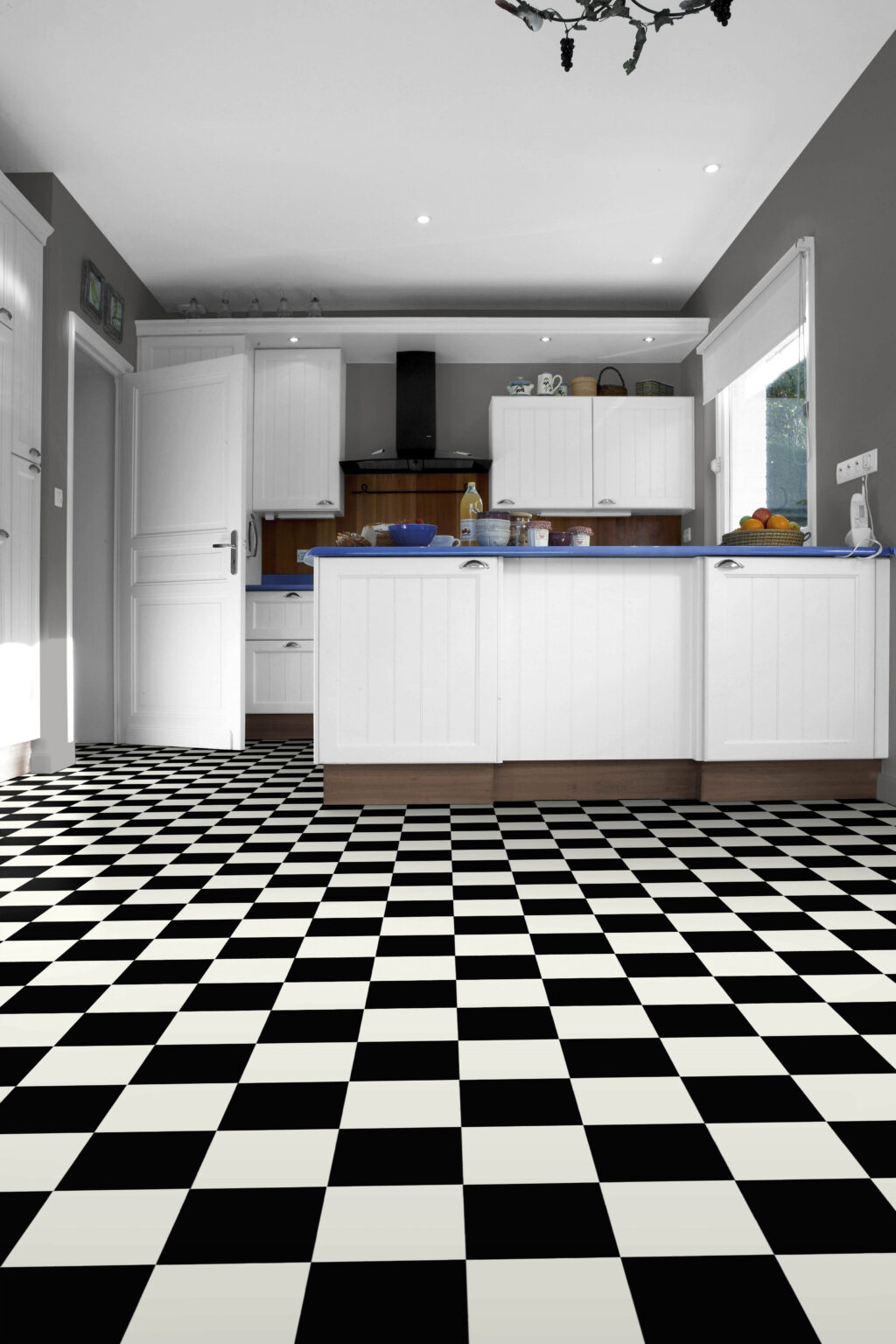
  • Sheet Vinyl: This type is often used in kitchens and bathrooms due to its seamless design. Regular sweeping and mopping with a non-abrasive cleaner will keep it looking great.

Quick step-by-step Vinyl Flooring Cleaning Guide

1. Thoroughly sweep or vacuum to remove surface dirt and debris

2. Mix a mild, non-abrasive vinyl floor cleaner with warm water according to the manufacturer’s instructions.

3. Use a microfiber mop dampened with the cleaning solution. Mop in the direction of the planks or tiles to avoid streaks and ensure thorough cleaning.

4. After mopping, use a clean, damp mop or cloth to remove any remaining cleaner. Dry the floor with a dry microfiber cloth to prevent water spots and ensure no moisture seeps into seams.

5. For stubborn stains, use a soft cloth or sponge dampened with the cleaning solution. Gently blot the stain from the outside in.

Vinyl Flooring Maintenance after Cleaning

  • Regularly sweep or vacuum to reduce dirt build-up
  • Place doormats at entrances and high-traffic areas.
  • Furniture coaster and pads to prevent damage
  • Avoid direct sunlight to prevent fading or discolouration
  • Avoid sharp objects or footwear to reduce dents and scratches
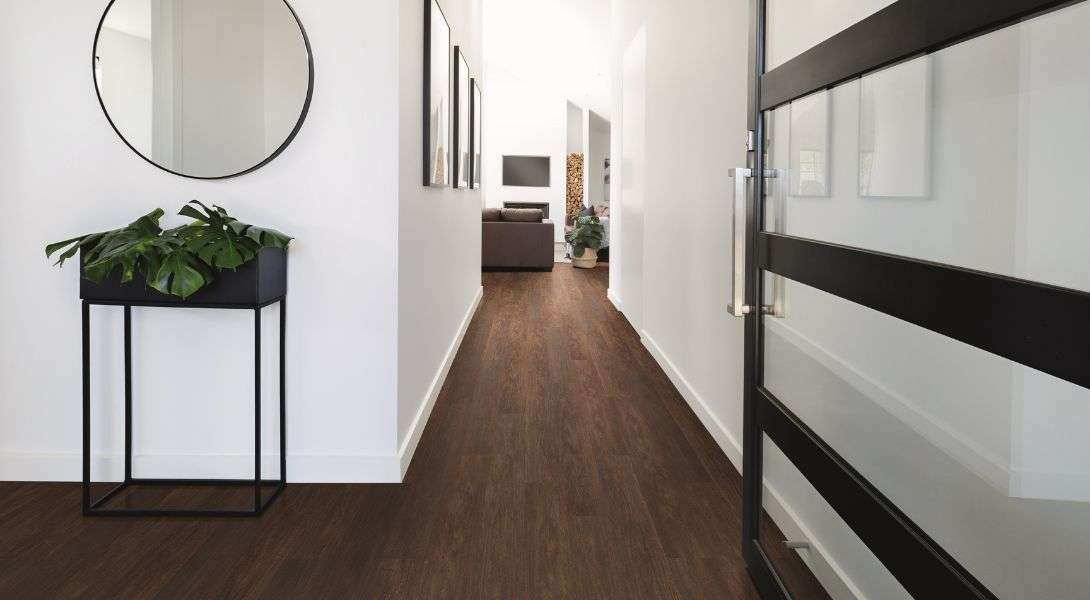
Modern Hallway interior with Vinyl Flooring Polyflor MiPLank


6. Hybrid Flooring Care and Maintenance

We think Hybrid flooring is fantastic! It combines the best features of vinyl and laminate, offering durability, water resistance, and a stunning look that can complement any home. Let’s dive into how to keep your hybrid flooring in top-notch condition and consider some specific care tips you might not know.

Let’s start with some straightforward tips to keep your hybrid floors looking their best for years to come:

  • Regular cleaning is essential to maintain your hybrid flooring.
  • Sweep or vacuum at least once a week using a soft-bristle broom or a vacuum cleaner.
  • Clean up spills promptly to prevent staining or damage.
  • Avoid excessive water during cleaning to prevent moisture from seeping into the seams.
  • Use a pH-neutral cleaner specifically designed for hybrid floors.

Avoid high heels and sharp objects that can cause dents or scratches.

To learn more about hybrid flooring, read our article:

The short answer: vacuum weekly, treat spills immediately, and have your carpet professionally cleaned every 12 to 18 months depending on your household. For a deep clean at home, use hot water extraction for most synthetic carpets and dry or low-moisture methods for wool. The full step-by-step guide is below


In this article

Approximate Reading Time: 14 minutes


We at the Floorworld blog team know too well the horrors of dealing with carpet stains, smells, sights, and sounds (of anguish when you can’t get that darn red wine stain out!) It’s almost too much to bear.

That’s why we decided to sit down with industry veteran Helen Lazenkas from Carpets Galore Floorworld in Thomastown, Victoria, to compile this in-depth carpet care and maintenance guide to help you learn the best tips to clean and maintain your carpets.

Helen Lazenkas is a second-generation director on the Floorworld Board of Directors and has been in the flooring industry, selling, servicing, and supplying carpets since 1995. Running Carpets Galore Floorworld Thomastown, she has experience in all flooring types in the Floorworld range, including Timber, Vinyl, Hybrids, and more. She has also spearheaded Floorworld’s involvement with Pancare and pushed for initiatives such as 4Women4Pancare on behalf of Floorworld.


For the full collection of flooring care and maintenance tips for all types of flooring, check out our Floorworld Essentials Article: The Complete Flooring Care and Maintenance Guide.  
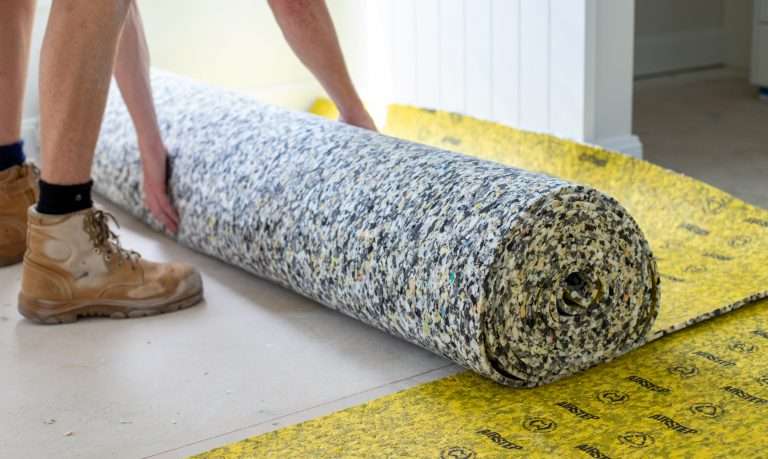
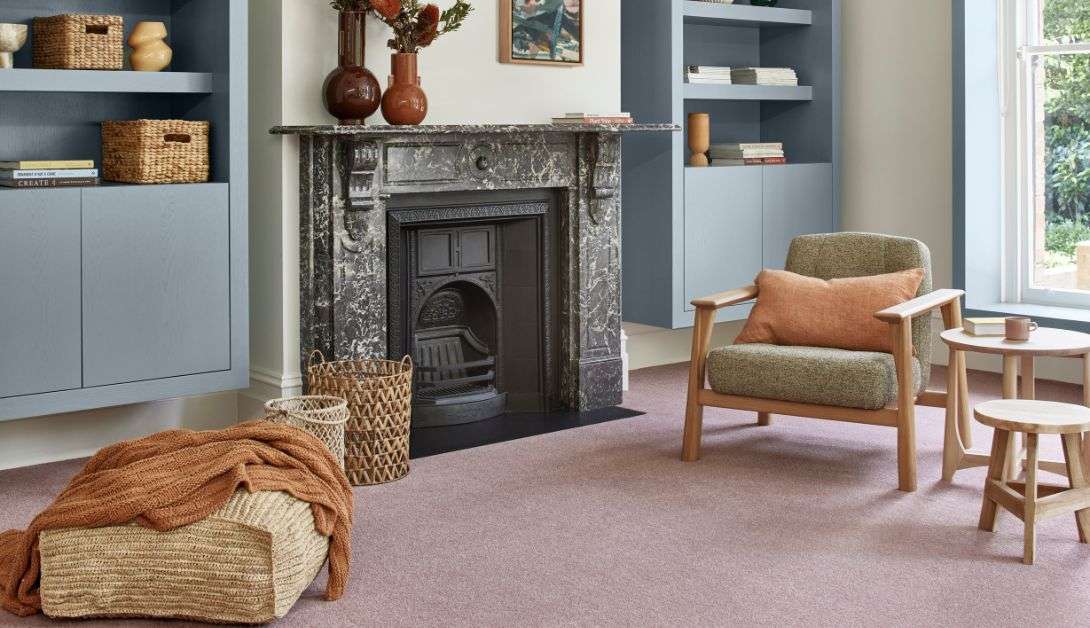
Carpet in Living room with fireplace

1. General Tips to Follow for Cleaning Your Carpets

Now, before we go too deep into the rabbit hole of carpet cleaning insights, we have assembled some general tips to keep in mind. If you read nothing else in this article, just remember the tips below to extend the life of your carpets.

  1. Regular carpet cleaning is essential to maintain the appearance and longevity of your carpets.
  2. Vacuum your carpets at least once a week to remove dirt and debris.
  3. Use a high-quality vacuum cleaner with a rotating brush or beater bar to agitate the carpet fibres and loosen dirt (most modern vacuums have this already).
  4. Get to and treat spills and stains as quickly as possible to prevent them from becoming permanent.
  5. Avoid using excessive water when cleaning your carpets, as this can lead to mould and mildew growth.
  6. Always make sure to check the carpet manufacturer’s advice directly; below is a list of key suppliers’ carpet care guides:

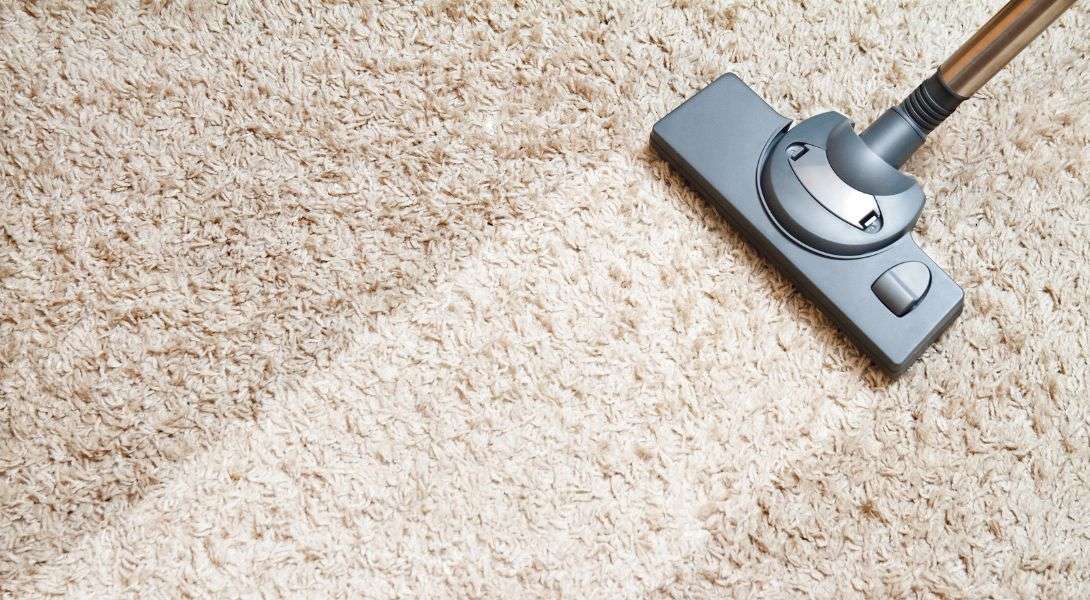
1 Vacuum on white carpet

2. How Your Carpet Type Affects Your Clean

When cleaning and maintaining your carpet condition, it is essential to consider how your carpet type reacts to different cleaning methods. Some carpet fibres can respond very differently to others, and what may work for one may damage another.

To ease your worries, let’s delve into the distinctions between the most common variants, including Wool, Solution-Dyed Nylon, Triexta, Polyester, and Polypropylene carpets, and how their cleaning needs vary:

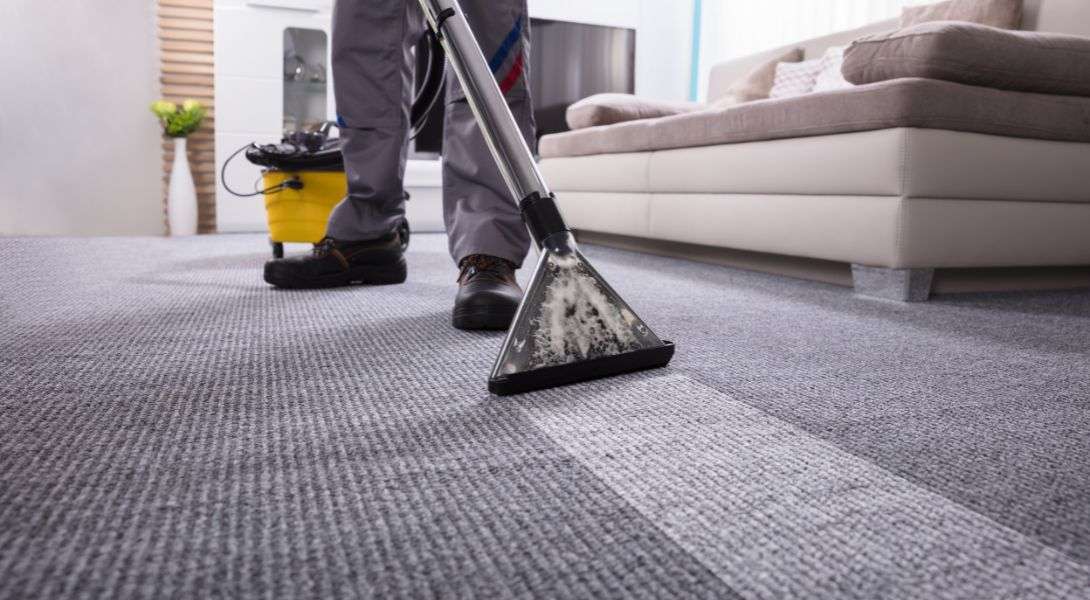
2 Carpet cleaner on grey carpet image

Quick reference: carpet types and cleaning methods
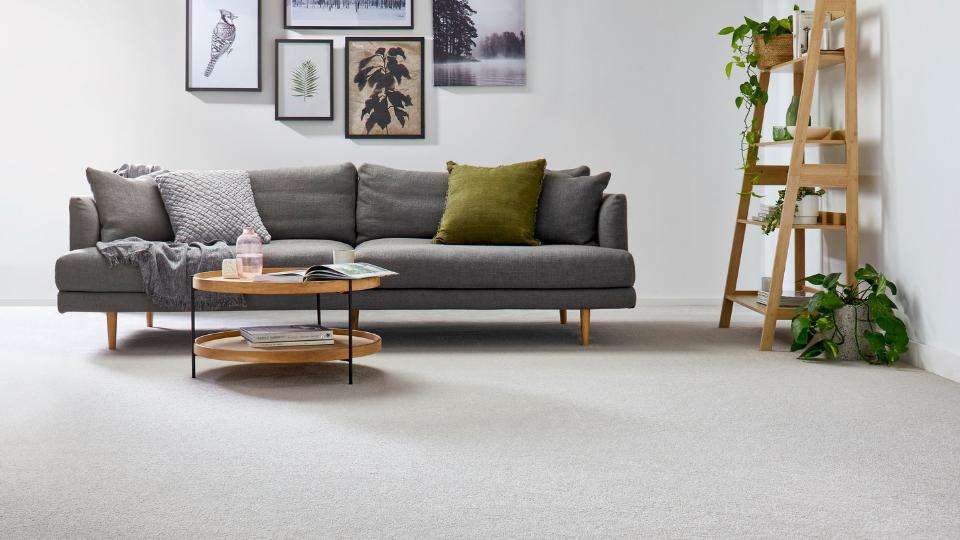
Carpet type Best cleaning method Heat tolerance Key watch-out
Wool Dry or low-moisture extraction Low — avoid heat Shrinks if over-wet; use wool-specific detergent
Solution-dyed nylon Steam or hot water extraction Good Use pH-balanced solutions to avoid colour shift
Triexta Steam or deep extraction Good Avoid harsh chemicals and abrasive brushes
Polyester Steam cleaning or shampooing Moderate Attracts oily soils — vacuum frequently
Polypropylene Dry or low-temperature steam Low — low melting point High heat distorts fibres and fades colour

Cleaning Wool Carpet Flooring:

Wool carpet flooring  requires gentle care to preserve its integrity. Due to its absorbent nature, wool is sensitive to moisture and prone to shrinking and matting if exposed to excessive water during cleaning. Dry cleaning or low-moisture extraction cleaning are recommended to prevent damage and maintain the wool carpet’s plush texture.

Cleaning Solution Dyed Nylon:

Solution-dyed Nylon is more moisture-resistant than wool and can withstand deeper cleaning methods, such as hot water extraction or steam cleaning. However, it’s essential to use pH-balanced cleaning solutions to avoid discolouration or fibre damage.

Cleaning Triexta Carpet:

Like Solution Dyed Nylon, Triexta carpets can effectively tolerate steam cleaning and deep extraction methods. However, homeowners should still exercise caution with harsh chemicals or abrasive brushes to prevent fibre damage.

Cleaning Polyester Carpet:

Polyester fibres are inherently hydrophobic, repelling moisture and resisting stains; however, they can attract oily residues and soil over time. Regular vacuuming and periodic steam cleaning or shampooing are recommended to maintain the polyester carpet’s appearance and longevity.

Cleaning Polypropylene Carpet:

Polypropylene (also known as Olefin) is prized for its resistance to moisture, mould, and mildew. However, its low melting point makes it susceptible to heat damage, necessitating caution when using hot water extraction methods. Polypropylene carpets prefer dry or low-temperature steam cleaning to avoid fibre distortion or colour fading.

By recognizing the unique properties of your carpets, you can tailor your cleaning approach to maximize effectiveness while safeguarding the integrity of your flooring investment.

For more information regarding different carpet types, please speak to a Floorworld carpet specialistspeak to a Floorworld carpet specialist and ask one of our trained staff for more details.

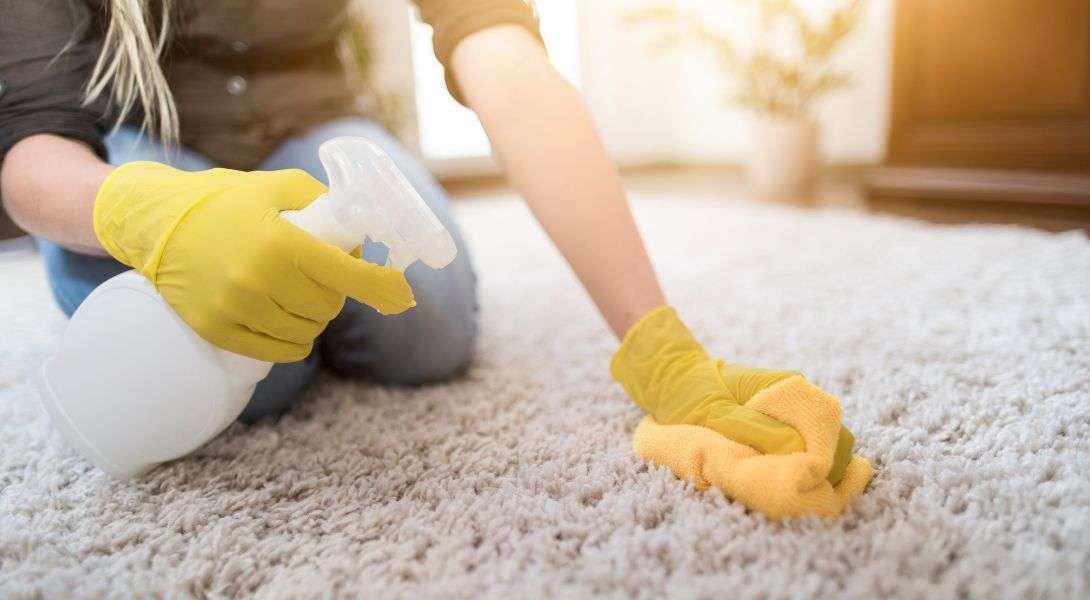
3 Handcleaning on white carpet spray and coth

3. How to Prepare Your Carpet Before Cleaning

Before you begin cleaning your carpets, it’s essential to properly prepare your floors to make sure you get the most out of your cleaning efforts without creating any further issues.

Below is a list of things to remember when preparing your floors:

  1. Remove any furniture or objects from the area you plan to clean.
  2. Vacuum the entire carpet area to remove loose dirt, debris, and other excess.
  3. If there are any loose or frayed carpet fibres, trim them with scissors to prevent further damage.
  4. Test any cleaning solutions on a small, inconspicuous area of your carpet to check for colourfastness. This is very important so as not to damage the colouring on your carpets.
  5. Open windows or turn on fans to ensure proper ventilation during cleaning.
  6. Depending on the sensitivity of any individuals or the intensity of the products used in the cleaning process, you can optionally clear out the room and provide masks to those present during the cleaning process.

Taking these steps will help ensure that your carpet cleaning process is effective and safe for your floors.

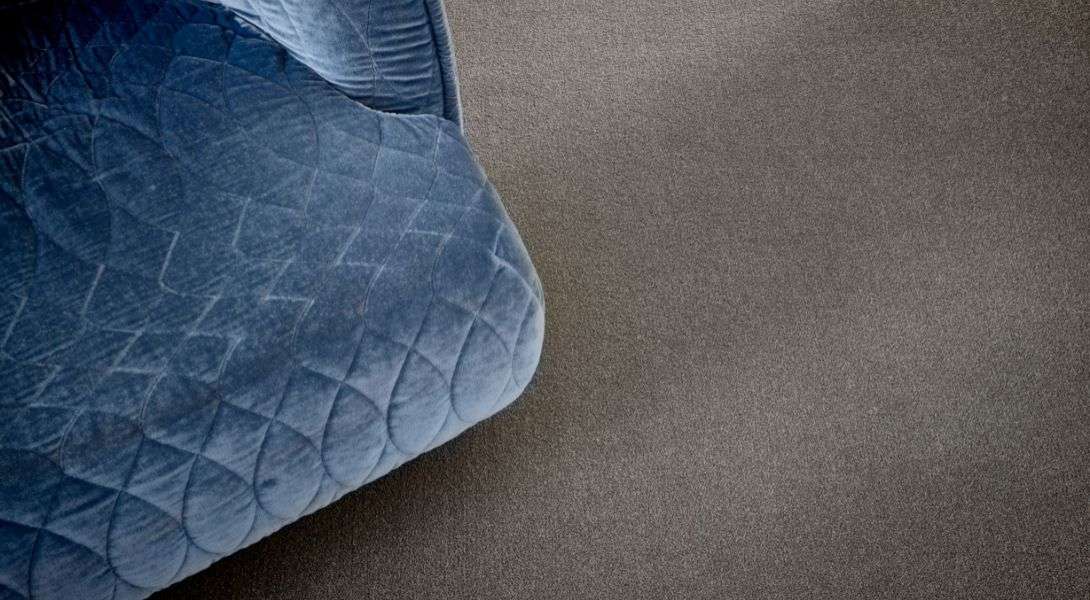
4 Godfrey Hirst Trade Winds Carpet Product image with blue chair

4. What Products and Equipment to Use While Cleaning Carpets

When it comes to cleaning carpets, using the right products and equipment can make all the difference. While you may not need everything for weekly cleaning, having an idea of your options can make your next carpet cleaning session much easier.

Below is a list of recommendations and options for your consideration:

  • For any carpet cleaning equipment you may require for Commercial, Wool, or Synthetic (mostly everything besides wool), click the links for recommendations.
  • A high-quality vacuum cleaner with a rotating brush or beater bar is essential for general carpet cleaning. Most modern vacuums already have these.
    • Depending on your carpet type, consider investing in or renting a specialised carpet cleaner to suit its needs, whether steam or dry. This is especially important if you have an individual highly sensitive to allergens in the home.
      – We highly recommend SEBO carpet cleaners for this, having the backing of multiple carpet suppliers.
  • A professional carpet stain remover or carpet shampoo can be handy for treating specific stains and spots. Make sure to check how it will affect your carpet’s fibres and colouring.
  • Microfiber cloths or white towels are ideal for blotting and cleaning stains without causing damage.
    • Use a mild carpet cleaning solution or make your own DIY carpet cleaning solution using ingredients like white vinegar, baking soda, and warm water.
      Helen’s Wool Carpet Cleaner Recipe:
      1 teaspoon of wool laundry detergent

    1 cup of warm water

    Helen’s Synthetic Carpet Cleaner (Usable on nylon and polyester)
    1 teaspoon of white vinegar
    1/2 cup of room-temperature water

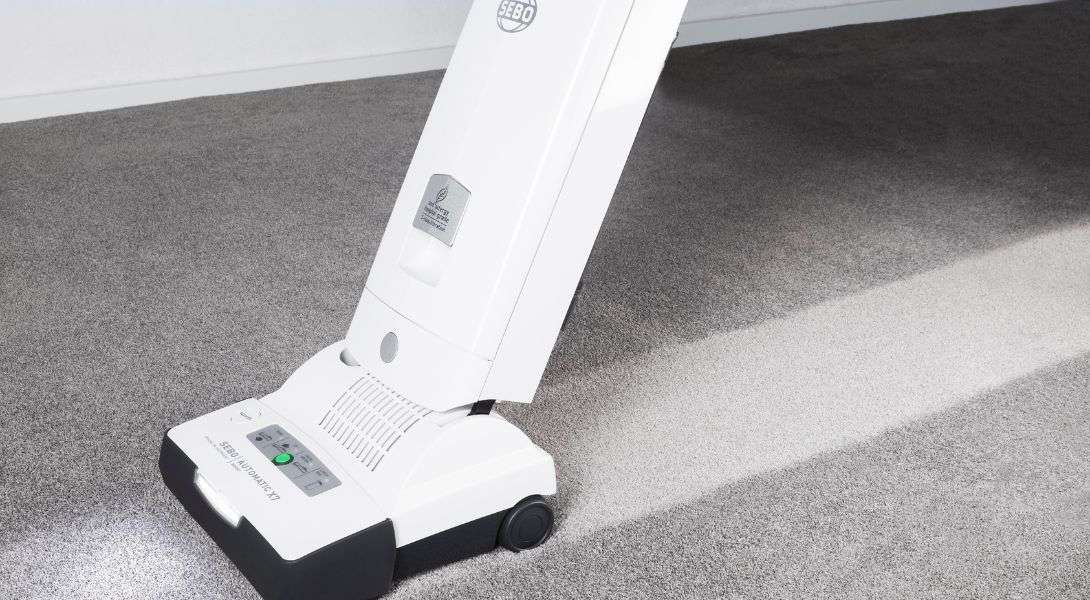
5 SEBO Carpet Cleaner on grey carpet

5. The Step-by-Step Guide to Deep Clean Your Carpet

After you have completed your preparations and have taken into consideration your specific carpet fibre needs, follow the provided in-depth, step-by-step guide to deep cleaning your carpets:

  • Step 1: Vacuum Thoroughly
    Start by thoroughly using a high-quality vacuum cleaner on the carpet surface to remove loose dirt, dust, and excess. Pay special attention to high-traffic areas and corners where dirt tends to accumulate.
  • Step 2: Spot Treat Stains
    Inspect the carpet for any visible stains or spots and treat them promptly using appropriate stain removal products. Make sure to test the cleaning solution on smaller, less visible areas of the carpet to ensure compatibility and prevent damage. Blot the stained area gently from the outside inwards with a clean, absorbent cloth to lift the stain without spreading it further.
  • Step 3: Choose the Cleaning Method
    Select the most suitable cleaning method based on the carpet fibre type and the extent of the cleaning job required. Common cleaning methods include dry cleaning, steam cleaning (hot water extraction), and shampooing. Refer to the manufacturer’s recommendations and fibre-specific guidelines (mentioned earlier in this article) to determine the optimal cleaning approach for your carpet.
    • Step 3.1: Dry Cleaning (Powder or Foam)
      Sprinkle the dry cleaning powder or apply the foam evenly across the carpet surface, allowing it to penetrate the fibres and absorb dirt and grime. Use a carpet brush or rotary machine to agitate the cleaning agent and loosen the soil, then vacuum the area thoroughly to remove the residue.
    • Step 3.2: Steam Cleaning (Hot Water Extraction)
      Fill the steam cleaner’s reservoir with hot water and a recommended carpet cleaning solution, then follow the manufacturer’s instructions for operating the machine. Slowly pass the steam cleaner over the carpet surface, applying even pressure to extract dirt, debris, and cleaning solution from the fibres.
    • Step 3.3: Carpet Shampooing
      Dilute the carpet shampoo according to the manufacturer’s instructions and apply it using a carpet shampooer or rotary machine with a shampooing brush attachment. Work the shampoo into the carpet fibres in a back-and-forth motion, then rinse thoroughly with clean water to remove any residue.
  • Step 4: Rinse and Dry
    After cleaning, rinse the carpet thoroughly with clean water to remove any remaining cleaning solution or residue. Use a wet/dry vacuum or extraction machine to extract excess moisture from the carpet, working in small sections to ensure thorough drying.
    Alternatively, if you don’t have the equipment, apply water with a cloth until the carpet no longer feels sticky or soapy, then blot it up with a clean white cloth or paper towel. Then, several layers of cloth or white paper towels should be placed over the cleaned area, weighing it down to capture the remaining moisture.
  • Step 5: Air Out Your Home
    Open windows or use fans to promote air circulation and expedite drying, preventing mould or mildew growth and getting rid of the cleaning agents in the air.
  • Step 6: Replace Furniture
    Once the carpet is completely dry, replace the furniture and return the room to its original layout. Please do not walk on the carpet until fully dry to prevent re-soiling or damaging the freshly cleaned fibres.
  • Step 7: Regular Maintenance and Consider Professional Cleaners
    To extend the longevity and quality of your carpet, you can establish a regular maintenance routine, including vacuuming at least once a week and promptly addressing spills or stains.

If a stain persists or you want a deeper cleaning, you can also consider scheduling professional carpet cleaning services.

6. How often should you clean your carpet?

There is no single answer, as it depends on your household. The table below gives a practical starting point.

Household type Vacuum frequency Spot clean Professional clean
No pets, no children Weekly As needed Every 18-24 months
Children (no pets) Twice weekly Promptly Every 12 months
One or more pets

(Discover our Pet friendly carpet flooring)

Twice to three times weekly Promptly Every 6-12 months
Allergy sufferers

(Learn more about our  Allergen-free Healthy Haven Collection)

Twice to three times weekly Promptly Every 6-12 months
High-traffic rental Weekly minimum Promptly Between tenancies

As a general rule, never leave a professional clean more than two years regardless of household type. Carpets accumulate allergens, dust mites, and bacteria that regular vacuuming does not fully remove.

If you are unsure which cleaning method suits your carpet type, speak to your nearest Floorworld store before booking a professional cleaner. Different fibre types respond differently, and using the wrong method can void your warranty

Frequently Asked Questions

How often should you clean your carpet?

For most households, vacuum at least once a week and have carpets professionally cleaned every 12 to 18 months. Homes with pets or allergy sufferers should vacuum two to three times per week and book a professional clean every 6 to 12 months.

Can I use a steam cleaner on all carpet types?

No. Steam and hot water extraction work well on synthetic carpets such as nylon, triexta, and polyester. Wool and polypropylene carpets are heat-sensitive and should be cleaned with dry or low-temperature methods. Always check your carpet’s care guide before steam cleaning.

What is the best homemade carpet cleaner?

For synthetic carpets: mix one teaspoon of white vinegar with half a cup of room-temperature water. For wool: mix one teaspoon of wool laundry detergent with one cup of warm water. Always test on a hidden area first and blot, do not rub.

How do I get a stain out of carpet without damaging it?

Act immediately. Blot the stain from the outside inward using a clean white cloth. Do not rub, as this spreads the stain and pushes it deeper into the fibres. Apply your cleaning solution sparingly and blot again. Rinse with clean water and blot dry.

How long does carpet take to dry after deep cleaning?

Most carpets dry within 6 to 12 hours after steam cleaning, depending on airflow and humidity. Open windows and use fans to speed drying. Avoid walking on the carpet until fully dry to prevent re-soiling.

Does carpet cleaning remove pet odours?

Hot water extraction removes most pet odours, but heavily soiled areas may need an enzymatic pre-treatment before cleaning. For persistent odours, an enzymatic cleaner breaks down the odour-causing proteins rather than masking them.

How do I know if my carpet needs replacing rather than cleaning?

If your carpet has matting that does not recover after cleaning, visible wear through to the backing, persistent odours that return after cleaning, or irreversible staining, it is likely time to replace rather than clean. Speak to a Floorworld advisor if you are unsure.

Ready to upgrade your carpet?
Browse our full carpet range online or visit your nearest Floorworld store for personalised advice and a free measure and quote.

Approximate Reading Time 4 Minutes

Are you the proud owner of newly installed timber floors? Amidst your bustling schedule, you might be wondering how to ensure they stay pristine and beautiful for years to come. While hardwood timber floors exude timeless elegance, proper maintenance is key to preserving their allure. In this blog, we’ll share essential tips and insights to help you keep your timber flooring looking as lovely as the day it was installed. From choosing the right cleaning equipment to avoiding products that could potentially harm your floors, Floorworld’s got you covered. Dive in to discover how simple steps can make a world of difference in maintaining the beauty and longevity of your timber floors.

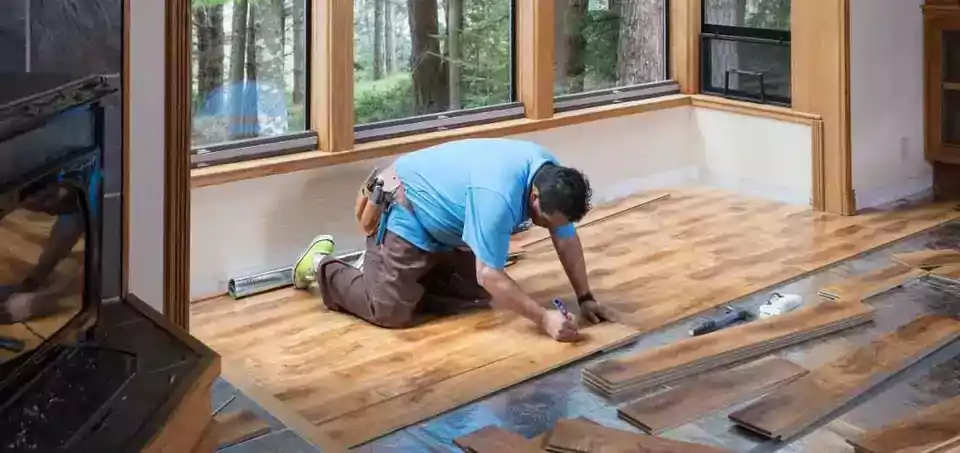
Man installing wooden flooring Image

1. Simple Rules of Timber Floor Cleaning

Clean Regularly:

Regular cleaning is essential to maintain the beauty and longevity of your timber floors. While high-quality wood floors, such as those from Godfrey Hirst, are designed for durability, consistent upkeep ensures they retain their lustre. Quick-Step floors, renowned for their sophisticated structure, are particularly resilient. Make it a habit to clean your floors with a microfiber cloth or vacuum cleaner regularly.


Maintain Proper Humidity:

Optimal humidity levels are critical for preserving the integrity of your floors. Fluctuations in humidity can cause wood planks to expand or contract, leading to issues like warping or cracking. Aim for indoor humidity levels between 40 to 60% to keep your timber floors in top condition. Investing in a humidifier or dehumidifier can help regulate humidity levels, especially in areas prone to extreme weather conditions.


2. The Basics of Cleaning Timber Floors

Timber floors not only enhance the aesthetics of your space but also offer ease of maintenance. Unlike carpeted floors, where dirt can become deeply embedded, dust and debris on timber floors are often visible and easily removable. Here’s a detailed approach to cleaning timber floors effectively:

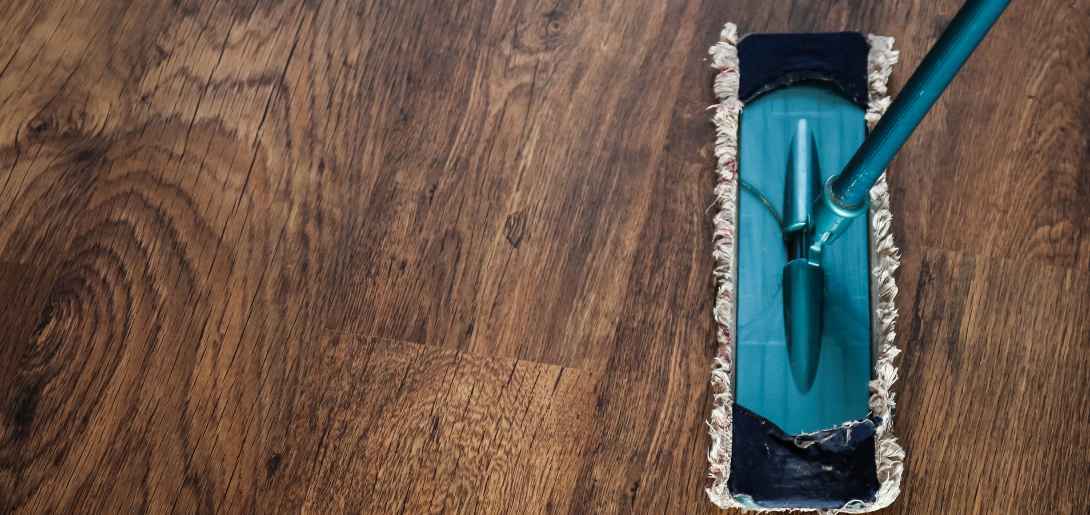
Mop on Timber Floors Image

Use a Dry Mop Weekly:

Incorporate dry mopping into your weekly cleaning routine to remove surface dust and debris. A microfiber mop is ideal for capturing fine particles without scratching the surface. Additionally, consider investing in a dust mop with electrostatic fibres, which attract and trap dust more effectively.


Occasional Damp Mopping:

While dry mopping is sufficient for regular maintenance, occasional damp mopping helps remove stubborn dirt and grime. However, it’s crucial to exercise caution and avoid excessive moisture, as prolonged exposure to water can damage wood flooring. Use a well-wrung mop dampened with water or a pH-neutral wood floor cleaner (Our recommended brands in part 6) to clean the surface gently.


3. Preparing for Cleaning

Proper preparation is critical to ensuring thorough cleaning and minimising potential damage to your timber floors:

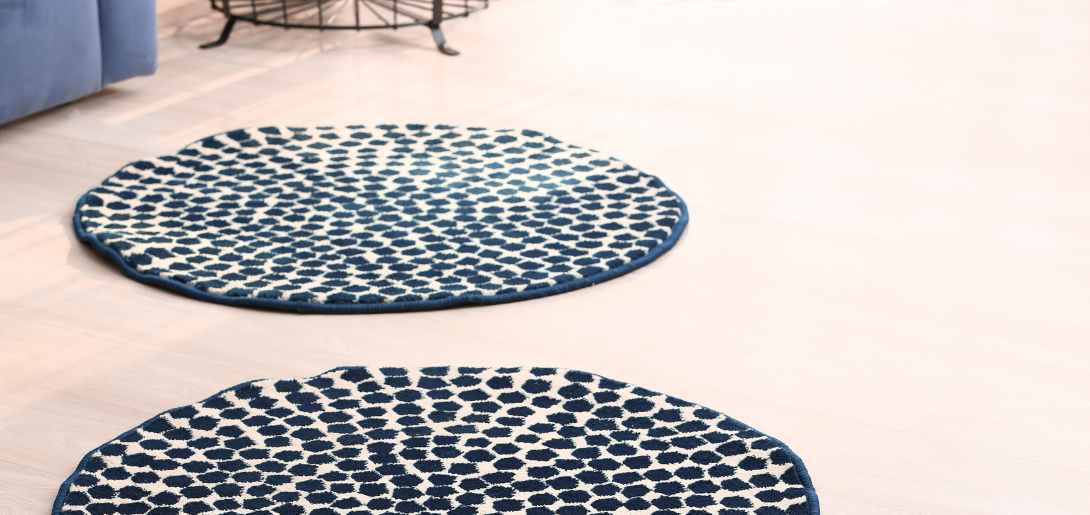
Rug on Timber Floor Image

Remove Obstructions:

Before cleaning, remove obstacles and furniture from the floor surface to access all areas effectively. This allows for a more thorough cleaning process and prevents damage to furniture or flooring.


Protective Measures for Rugs:

Roll up area rugs and remove them from the room to facilitate comprehensive cleaning. Rugs should be kept away from the freshly cleaned floor until completely dry to prevent moisture retention and potential discolouration.


4. Handling Problem Areas

Accidental spills and stains are inevitable, but prompt action can prevent lasting damage to your timber floors:

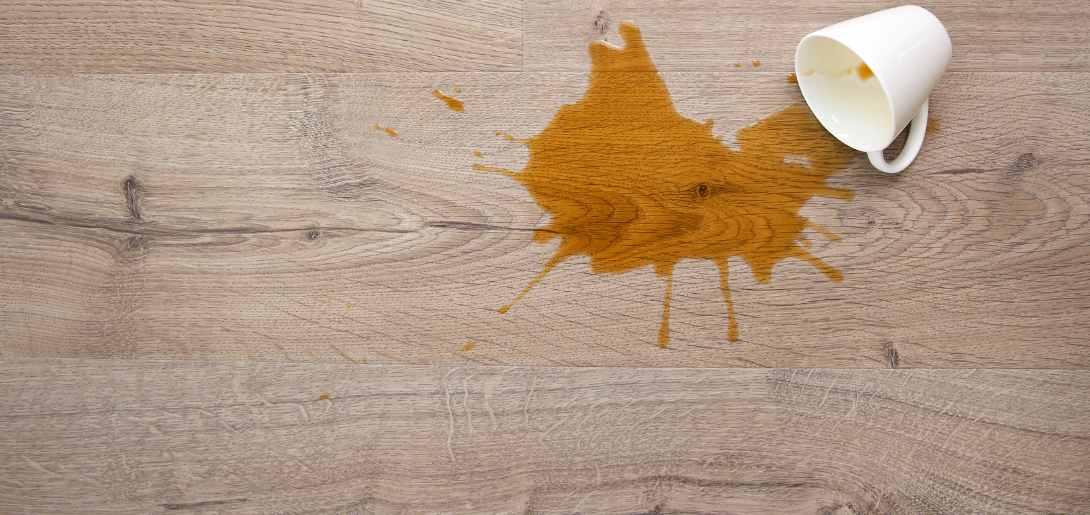
Spill on Timber Floor Image

Prompt Cleanup of Spills:

Address spills immediately to prevent absorption into the wood and minimise staining. Blot the affected area with a clean, absorbent cloth to soak up the liquid without spreading it further. Avoid using harsh chemicals or abrasive cleaners, as they can damage the finish and compromise the integrity of the wood.


Gentle Cleaning Solutions:

For stubborn stains or sticky residues, opt for gentle cleaning solutions formulated specifically for wood floors (we recommend Bona or Enzyme Wizard). Avoid ammonia-based cleaners or abrasive scrubbing pads, as they can cause irreparable damage to the surface. Instead, use a mild detergent diluted in water and apply it sparingly to the affected area, followed by gentle scrubbing with a soft cloth.


5. Post-Cleaning Care

After completing the cleaning process, take proactive measures to preserve the cleanliness and integrity of your timber floors. Pets on Wooden Floor Image

Allow Sufficient Drying Time:

To prevent water damage and ensure optimal results, allow the floor to air dry completely before allowing foot traffic or replacing furniture. Adequate drying time minimises the risk of moisture-related issues and helps maintain the finish of the wood.


Protective Measures for Pets:

Keep pets away from the freshly cleaned floor until fully dry to prevent scratches or paw prints. Consider using pet-friendly rugs or mats in high-traffic areas to minimise wear and tear on the flooring surface.


6. Recommendations for Specific Products

Different timber flooring suppliers may offer tailored cleaning recommendations based on the characteristics of their products:

Quick Step Intenso Timber Flooring Image

Supplier-Specific Guidelines:

Consult the manufacturer’s guidelines provided by reputable timber flooring suppliers such as Quick-Step, Godfrey Hirst, and Australian Select Timber. These guidelines may include specific cleaning instructions and product recommendations to ensure optimal maintenance and longevity of your timber floors.


Enzyme Wizard

Maintaining the timeless elegance of your timber flooring is effortless with Enzyme Wizard. This innovative cleaner utilizes natural enzymatic action to effectively break down organic stains and odours without compromising the integrity of your flooring. With Enzyme Wizard, you have a powerful solution at your fingertips, capable of tackling messes with ease and leaving your timber floors looking pristine and fresh.

Check out the Enzyme Wizard Range.


Bona Australia

For professional-grade timber floor maintenance, look no further than Bona Australia. Offering a range of specially formulated cleaners and high-quality accessories, Bona Australia ensures optimal cleaning results without harming your flooring. With Bona Australia, you can trust in superior products designed to preserve the beauty and longevity of your timber floors, making maintenance a breeze.

Check out the Bona Australia Range.


Conclusion for Timber Floor Maintenance

In conclusion, maintaining the beauty and durability of your timber floors requires a combination of regular cleaning, proper maintenance, and adherence to manufacturer guidelines. By following the simple rules outlined above and incorporating protective measures, you can ensure that your timber floors retain their elegance and charm for years to come.

For personalised advice on timber floor care or to explore our wide range of quality flooring options, contact us today or visit a Floorworld store. Our team is dedicated to providing expert guidance and exceptional service to meet your flooring needs.


For more insights on flooring maintenance, trends, or design tips, fill out the form below to request a Floorworld eBook.

Approximate Read Time: 4 Minutes

Laminate floors are a popular type of floor covering for homes’ living areas, kitchens, dining areas, bedrooms, hallways, and other areas that are not subject to excessive moisture. They have smooth surfaces free of seams, making them easy to clean. There’s so much to love about laminate flooring: it looks great and is low maintenance. Cleaning laminate flooring can be done relatively quickly if you use the right equipment and products for the job.

Read on to discover how to keep your laminate floor looking great and protected from unnecessary wear and damage.


The Benefits of Laminate Floors

Laminate floors are a popular choice for many Aussie families. This is partly because laminate is easy to install, making it popular with DIY enthusiasts. Another reason Aussies love laminate is that it is so easy to care for. When cleaning your laminate flooring, the first thing to do is remove any loose dust, particles, or debris. Getting rid of open materials will make the second part of the job much easier. You can use a broom, dustpan, or vacuum to remove fibre, hair or dirt sitting on top of the floor.

Godfrey Hirst Laminate Flooring Kitchen

Cleaning and Maintenance tips for Laminate Flooring

Use a Microfiber Mop on Laminate Floors

Alternatively, a microfibre dust mop will also work well by picking up debris within the tiny fibres of the mop. You will notice how a microfibre mop picks up dust rather than simply moving it around. The most important tip to remember is not to wet the floor too much and to use a mop that is only just damp. Too much water can cause damage to laminate sheets, leaving water spots and stains, or in the worst-case scenario, cause the laminate to warp.


Maintaining Laminate Flooring

Laminate floors are durable and will last many years if they are looked after well. To reduce the risk of scratching and staining, you may consider using mats and rugs in high-traffic areas. Having guests remove their shoes will reduce the amount of dirt coming in, and if you have pets at home, make sure to keep their nails clipped so they do not scratch the laminate. Another tip is always to use felt protector mats and discs on the bottom of large furniture pieces to avoid scratching further. Exposure to extreme temperatures can impact laminate flooring, so close curtains and blinds on hot days to reduce the heat and direct sunlight hitting the floor. Dramatic temperature changes can cause laminate sheets to buckle.


What to Use on Laminate Flooring

If you have a quality microfibre mop, the only thing you need to use with it is water! However, many people also like to make their cleaning liquid on laminate flooring. The cheapest, easiest and best solution combines household vinegar with water. The vinegar will help disinfect the surface. Mix a cup of vinegar with at least three cups of warm water, and either apply the solution with a spray bottle or gently dip your mop in a bucket holding the mixture. If you want to use a vinegar mix, it is worth checking with the company you purchased your laminate from or reading through the products’ care instructions. This is because vinegar is not recommended for particular floors.


Cleaning Problem Areas on Laminate Flooring

Of course, spills will happen on your laminate floor. Severe damage is unlikely to occur if you clean up any spills quickly and as soon as you notice them. If you notice problem areas while cleaning laminate floors, see if you can identify what has caused the marking. Pockets of grime can be spot-cleaned with a microfiber cloth. Use water to remove paint or wax in the first instance, or if the spill is dried up, you can scrape the surface clean.

The manufacturers of Godfrey Hirst laminate recommend using a mixture of water and diluted methylated spirits to treat stubborn scuffs and stains. This company stocks popular laminates, including Legacy, Amor Classic, and Vista, each with a distinctive and natural look. If you are trying this approach, it is crucial to ensure residual methylated spirits are rinsed from the floor.

Quick Step Perspective Nature Laminate Flooring Image

What Not to Use on Laminate Floors

Your laminate floors are likely to feel great and look like they are tough enough to withstand other cleaning products you use around the home. However, there are certainly some cleaning materials that you should never use on your laminate flooring. The first problematic cleaning product is any with an oil base and liquids designed for polishing or waxing. You should also avoid using any products with abrasive cleaners, like those you might sometimes use in the bathroom or kitchen. These cleaners often contain tiny particles that can scratch the surface of the laminate.

Products by Airstep are treated with a durable topcoat that helps reduce staining and scratching. The material underneath is crafted from High-Density Fiberboard, which makes this range tough but still attractive. You should also avoid any cleaning products that are highly acidic with a pH over 7, as this could damage the coating that has been applied.


What to Do After a Laminate is Cleaned

Unless you have used excessive water, laminate floors will generally dry quickly after they have been mopped. It helps to mop on warm days and open nearby windows to increase airflow across the floor’s surface. Some laminate products are created with additional waterproofing, providing an even better barrier.

Signature Floors has created an exceptional AquaPlank floating floorboard range, which has been treated with a revolutionary product called Atroguard. This water-resistant technology ensures that any spills of water do not permeate the surface and are water resistant for 72h hours. This treatment means laminates won’t warp, buckle or fail in any homeroom. Signature Floors is proudly Australian-owned and operated and was established in Victoria in 1989.

Are you endlessly searching for “Laminate flooring near me” and feeling overwhelmed with the choices? Don’t search through review sites to determine which laminate flooring option is best for you. We supply a range of trusted brands and install laminate flooring. We will also give you plenty of information on cleaning and maintaining laminate flooring so that it lasts. Contact us today or visit your closest Floorworld store to discuss your laminate flooring needs.


For the Latest on Flooring Maintenance Tips, Trends, and Sustainability, grab a copy of our eBook from the form below. Alternatively, please read the rest of our blog collection for more.

Approximate Reading Time: 4 Minutes

Vinyl floors have come a long way over the last thirty years and are available in various prints and styles. While historically used in rooms like the kitchen and bathrooms, vinyl planks are becoming increasingly popular for shared living and family rooms. Vinyl floors are also highly durable and, even better, easy to clean and care for.

Vinyl flooring and the modern timber, ceramic and stone look are available in the traditional range. The vinyl sheet gives your home a more expensive timber look, is highly durable, and comes at an economical price.


How best to clean and maintain Vinyl flooring

To clean your vinyl floor, you only need a mop bucket and general detergent. Dilute a non-abrasive floor detergent with warm water, and you are ready to go. Ensure you don’t make the floor surface too wet; the vinyl should dry within a few minutes after cleaning. You can also use a microfiber mop or a damp cloth.

To mop your vinyl floor, clear as much space as possible and remove any small items or lightweight furniture. It is usually a good idea to start cleaning the side of the room that is the furthest from the door. Gently run the mop over the floor and wring it out every few strokes. If you notice the water looks dirty, swap it out for a fresh batch.


How often should you clean Vinyl flooring?

How frequently you need to clean your vinyl flooring will depend on its use, foot traffic, and other factors like pets in the home. You may sweep it daily and then wash it with a mop every week or so. Using a doormat or entry mat can significantly reduce the moisture and dirt you bring into the home, enabling you to clean the floor less frequently. Excessive mopping can dull the finish of vinyl.

Vinyl Flooring Kitchen and Living Room wide shot modern living

What cleaning products to use on Vinyl flooring

Plenty of products on the market will give your vinyl a clean appearance and kill off any nasties. Make sure you select one that has a neutral pH. However, if you want to avoid purchasing chemical cleaners, you can easily make your own at home. All you need is a mixture of water and vinegar. Add a few drops of your favourite essential oil for a fresh finish. Clean up any spills on your vinyl floor as quickly as possible.


What not to use on Vinyl flooring

If you are looking for a partially shiny finish, look for wax-like products that will give vinyl a high shine. With vinyl, you won’t need any resealing or waxing, as is recommended for hardwood timber. Using a steam mop on your vinyl floor is also not recommended. Steam mops operate at quite high temperatures that can damage the vinyl, resulting in warping or bubbling on the surface of the vinyl. Do not use any caustic or ammonia-based cleaners.


Is Vinyl flooring waterproof?

Vinyl flooring is much more water-resistant than laminate and hardwood floors; however, it is not technically waterproof. If you use too much water when mopping, there is a risk that water droplets will permeate through the seams and edges. Some vinyl floors are installed with multiple planks or tiles or as vinyl sheets, so there are potentially many points at which water can seep through. Mould or mildew may begin to form under the surface of the vinyl within the felt or foam layers. Use a towel to dry any vinyl floor tiles that have become too wet during mopping.


To help avoid problems like these, suppliers like Pegulan recommend using seam-seal at the joints. This Aussie company applies an additional surface treatment to their vinyl flooring products, making this range a great practical and hygienic choice. This barrier means that dirt, germs, and bacteria have nowhere to hide. Pegulan is an excellent choice in areas where humidity is a concern.

Vinyl Hallway low shot Interior

How to get rid of the dust on Vinyl floors

If you notice dust or dirt has collected on your vinyl flooring, you must quickly sweep or vacuum it. In either case, ensure your tools have soft bristles and are in good condition. A rough brush can cause minor scratches on the surface of the vinyl. Likewise, vacuums that have exposed metal or rough bristles can also cause damage.


If you or someone in your family is allergic or sensitive to dust, you might want to consider or choose a product from Heartridge by Dunlop. Heartridge produces Australia’s only National Asthma Council-approved vinyl. Their products use the safest materials and have a low formaldehyde emission rating. They are also free of chemical compounds called phthalates that can irritate some people.


How to maintain Vinyl flooring

Like many other flooring products, vinyl planks and panels can be scratched. To avoid scratches, we recommend using felt pads on chairs, table legs, under couches, and other heavy pieces of furniture. You should not drag heavy items across vinyl flooring. You can use rugs on vinyl flooring in heavy-traffic areas. However, be aware that rubber-backed mats can cause discolouration to the vinyl. Look for soft and natural materials when choosing carpets and rugs. Always avoid wearing sharp-heeled shoes like stilettos when walking on vinyl.


For more insights on flooring maintenance, trends, or design tips, fill out the form below to request a Floorworld eBook.


Approximate Read Time: 5 Minutes

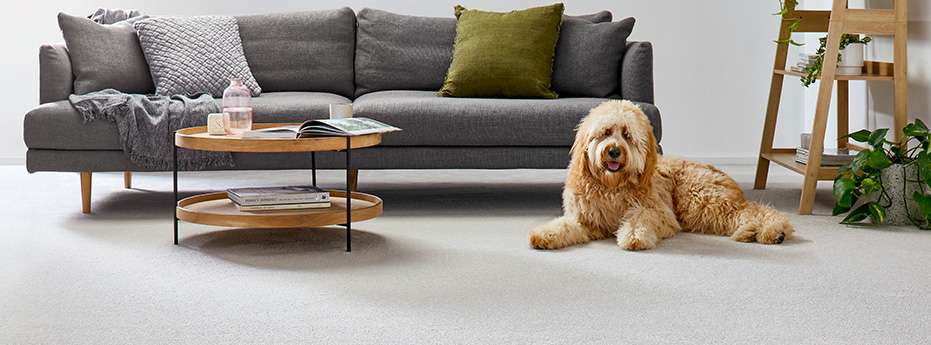
Living Room with Dog on grey carpet

Benefits of carpet flooring

Carpet is your feet’s best friend. While adding warmth and cosiness to a room, the carpet provides sound and temperature insulation benefits and helps make your house a home.

Whatever the type of carpets chosen for your home, be it hard-wearing carpets for those hallways or luxurious wool carpets for your bedroom, it is essential to know how to maintain them and keep them clean.

Cleaning Tips for All Carpet Types

There are many different types of carpets based on their pile, fabric, and texture. Each type has specific cleaning regimes, but they all benefit from regular maintenance.

Airstep carpet underlay being laid by installer


1. Installing a base layer before laying your carpet

A spongy layer of padding installed underneath your carpet can make it easier to vacuum and clean. It also provides extra cushioning for your feet, absorbs sound, and keeps winter drafts from seeping through the carpet.

High-quality underlays extend the life of the carpet.

Contact your nearest Floorworld store; we will help you choose the perfect underlay for your floors.


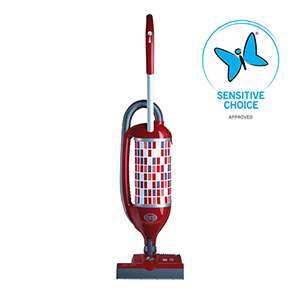
Sebo Felix Vacuum Cleaner Image2. Regular vacuuming and deep cleaning


Although obvious, it is one of the most overlooked steps when maintaining your carpets at home.

Vacuum cleaning your carpet and rugs habitually at least once a week or twice a week in high-traffic areas can have many long-term benefits for your carpets.


high-quality vacuum cleaner is essential to extend the beauty and life of your carpet.


Feltex recommends using either a handheld vacuum cleaner or a high-quality drum vacuum cleaner with an electric rotating brush or a vacuum cleaner/wand combination for low-pile carpets.

For thick or piled carpets, you can increase the height of the spin-dryer to make it easier to vacuum. 

To avoid excess lint, turn off the brush or replace the head when vacuuming loop piles.


Invest in a good vacuum cleaner for your carpets and ensure that the vacuum fits your type of carpet.


When choosing a vacuum cleaner for a luxuriously thick and soft pile carpet, look for the following features:

Adjustable Height and suction force-Uses suction force to allow the vacuum cleaner to move quickly while lifting dirt and other debris.

Large wheels- vacuum cleaners should easily slide on the carpet—efficient airflow- avoid vacuums due to highly concentrated or closed suction.


Talk to your nearest Floorworld to find the best vacuum cleaner that suits your carpet type.


3. Create a deep cleaning schedule for your carpets

Rugs in living room

Like it’s important to maintain a regular vacuuming schedule, it’s also essential to deep clean the carpets on a biannual or annual basis.


4. Prevent dirt from coming in

As always, prevention proves to be a better option than the cure. In this case, it is always best to prevent dirt from coming into the house as much as possible. This will ease your cleaning processes and make them much more effective.


There are several basic steps to prevent dirt from entering your home.

– Remove Shoes: An essential but effective habit when keeping your carpets clean is to get your family to remove their shoes when walking into your home.

– Use mats: Use an outdoor mat to prevent dirt and moisture from entering your home, and clean it regularly.

Use indoor mats or rugs in high-traffic areas such as bathrooms or hallways, in front of the front door, when watching TV and in front of your couch, etc.


5. Avoid physical damage

– Move heavy furniture from time to time to avoid crushing the carpet fibres.

– Avoid damage when moving furniture by using cardboard between furniture and carpet.

– Using coasters under the legs of tables, chairs, and other furniture to distribute weight is another crucial tip when maintaining your carpets.

– In rooms with carpet exposed to direct sunlight, use window shades, curtains, blinds, or sunshades to protect the carpet from UV light.

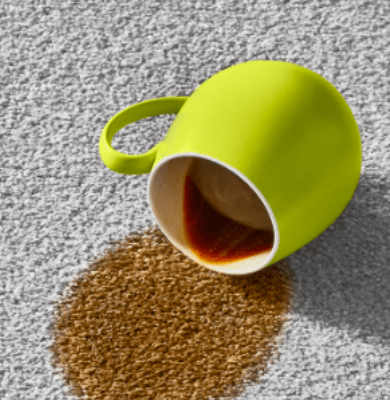
Coffee Spill on Carpet

6. Immediately clean Spills and Stains

– Spills are best avoided, but when they do occur, it’s a cardinal rule to clean carpet spills and stains as quickly as possible. The longer you let the stain sit, the deeper it will sink into your favourite carpet.

– When inevitable stains or spots occur, make sure you use carpet cleaning products or make a homemade cleaning solution for your specific type of carpet.

– Use a blunt knife or spoon for solids,

– Soak up liquids, and use a wet/dry vacuum cleaner for large spills to clean spills as much as possible.

– Do not rub the carpet when removing the dirt; always work from the outside to the centre. 

– Check out our range of stain-resistant carpets here.


Cleaning Tips According to Carpet Type


Wool carpets – Stay away from Bleach or Alkaline Products

– If you have expensive wool carpets in your home, keep beach or alkaline cleaning products away from them.

– Using bleach or other cleaning products from alkaline products such as ammonia to spot clean stains can create a patch in your wool carpet.


Berber carpets – Don’t scrub

– Although Berber rugs and carpets don’t trap dirt like other carpet styles due to their large loops if you ever stain these carpets, it’s vitally critical that you don’t scrub as that can cause snags or create fuzzy spots. Instead, you can blot the stain from the outer edges.

This will also help prevent spreading it.


Nylon and Wool Carpet – Use Carpet Stain Protectors

– You can use a carpet stain protector to preserve your hard-wearing nylon and wool carpets.

However, this does not mean you can replace stain protectors with regular maintenance.


Polyester carpets – conduct a Hot Water Extraction

– Polyester carpets are mostly stain-resistant, but again this does not exempt them from the need for regular maintenance and deep cleaning.

– Using a steam clean extraction technique will remove deeply embedded dirt and debris from the carpet fibres and is recommended once or twice a year.

Girl and Dog on White Carpet

Carpet cleaning tips for pet owners

-Getting those pesky but unavoidable stains will be one of your primary concerns if you have pets and carpets.

– At the start, it is essential that you choose the best pet-friendly and family-friendly carpets for your home. Selecting the correct type of carpet is a key step in maintaining your carpets.

– To clean up a fresh or dried stain created by your pet, use a specific bio-enzymatic cleaner that will neutralise the urea and uric acid and eliminate proteins and starches. Ordinary carpet cleaners can’t do that.


Check out the Floorworld carpet store nearby and get professional advice and support from our friendly Floorworld staff.

<p

Approximate Reading Time: 3 Minutes

Figuring out how to clean your carpet can be an intimidating task. Whether you have pets, children or frequent foot traffic in your carpeted areas, you’re going to want to keep your carpet clean and in good condition.

Redbook Green Sanctuary Carpet Living Room Landscape

Often, a vacuum is an obvious choice for carpet, and while there is a range of vacuums to suit different carpet types, there is also a range of ways to clean your carpet.


How To Clean Your Carpet

Carpet cleaning is best done regularly with the correct equipment. If possible, always use a carpet cleaning machine for cleaning your carpets. Carpet cleaning can be done by hand if necessary, but it is time-consuming for large areas.


The Benefits of Carpet Cleaning

Regular vacuuming can help keep dirt from building up on your carpet. Unfortunately, though, vacuuming alone does not rid your carpet of the layers of grime and dust that can build up inside the individual fibres. Carpets are made of absorbent material, and once particles have infiltrated the carpet fibres, it is difficult to remove them with an ordinary household vacuum.


Regular Carpet Cleaning

To conduct a regular carpet clean, first, remove all objects and furniture from the carpeted area. Give the carpet a thorough vacuum with your standard vacuum cleaner. Then, if required, use a carpet shampoo product and hot water to spot clean. If possible, choose a day when you can have the windows open to help with the drying process and reduce the chance of mould or mildew occurring in a carpet that hasn’t dried properly.

How to Use a Carpet Cleaning Machine

Carpet cleaning machines can be bought or hired and come in a variety of makes and models. Each works a little differently, and you should read the instruction manual before getting started. The manual will describe how much shampoo and water you need to use for the cleaning. Use the machine to work your way across the whole carpet area. Once you have cleaned with shampoo, repeat the process using just hot water.

How to Clean Carpet Without a Carpet Cleaning Machine

It is also possible to clean your carpet without a machine but be warned it may take a long time. The method replicates the actions of a machine and involves spraying a mixture of carpet shampoo and warm water over the carpet in small sections. You should then scrub the carpet with a carpet brush to remove the grime contained in the carpet fibres. Towels are then used to soak up as much of the dirty fluid as possible, and then the process is repeated with clean water and another set of towels.


Spot Cleaning Without a Carpet Cleaning Machine

Typically, spots and stains on carpets are caused by liquids like wine, coffee, ink, or very greasy, oily substances and foods. It is essential to address a stain as soon as it occurs. Use white paper towels or tissues to blot up as much of the liquid as possible. Work from the outer area of the stain towards the middle. Don’t scrub or apply too much pressure, as this may spread the stain and cause carpet damage.

Carpets can be made from a variety of materials, and it is possible to take extra steps to protect your carpet from damage or stain.

Reach out to your local Floorworld store for more information and to find the best products for your carpet. For more information, visit www.floorworld.com.au or visit your local Floorworld retailer.


For more insights on flooring maintenance, trends, or design tips, fill out the form below to request a Floorworld eBook.


-
My list

Your saved products will appear here.
Add floors you love to compare and share with your nearest Floorworld store.