

-
  • Maintenance & Care
  • News

How to Clean & Maintain Timber Flooring in Australia (Without Damaging It)

Nehrish Ali
Published: Jun 5th, 2026
AST timber hero image

Timber flooring looks best when it’s cared for properly. The catch is, it’s easy to accidentally dull the finish or cause moisture issues if you clean it like you would other hard floors.

This guide breaks down a routine you can actually stick to, what products are safe, what to avoid (yes, including steam mops), and how to keep timber looking good in Australian conditions like humidity swings and harsh sun.

Reviewed by: Anthony Zandona, National Sales Manager, Australian Select Timbers (AST)
In this article

Quick answer: the safest way to clean timber floors

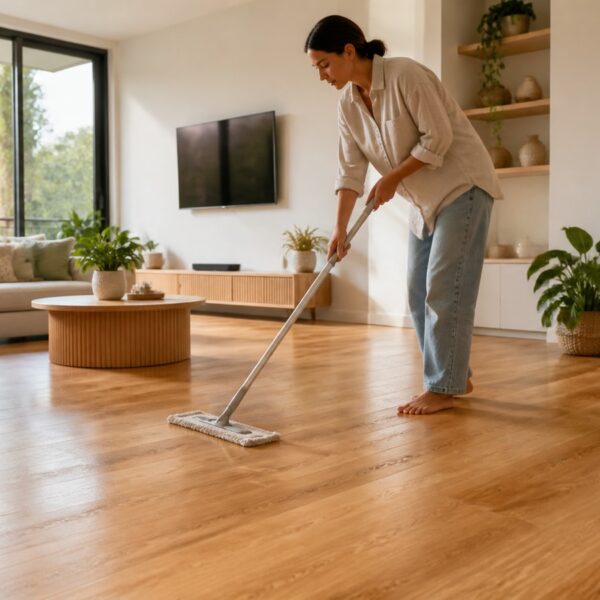
  • Vacuum or dry mop 2–3 times a week (more often in busy areas) using a soft head
  • Use of suitable spray mop and pH-neutral cleaner. For larger spills a well-wrung out mop can be used to assist with wiping up the spills.
  • mop weekly with a pH-neutral timber floor cleaner and a well-wrung mop
  • Wipe spills immediately, especially near entrances, pet bowls, and food areas
  • Avoid steam mops, soaking wet mops, and vinegar (they can dull finishes or push moisture into joins over time)
  • In homes with big seasonal changes, keep an eye on humidity and direct sun

If you only do two things: keep grit off the floor, and spray mop (not wet mop) with the right cleaner.


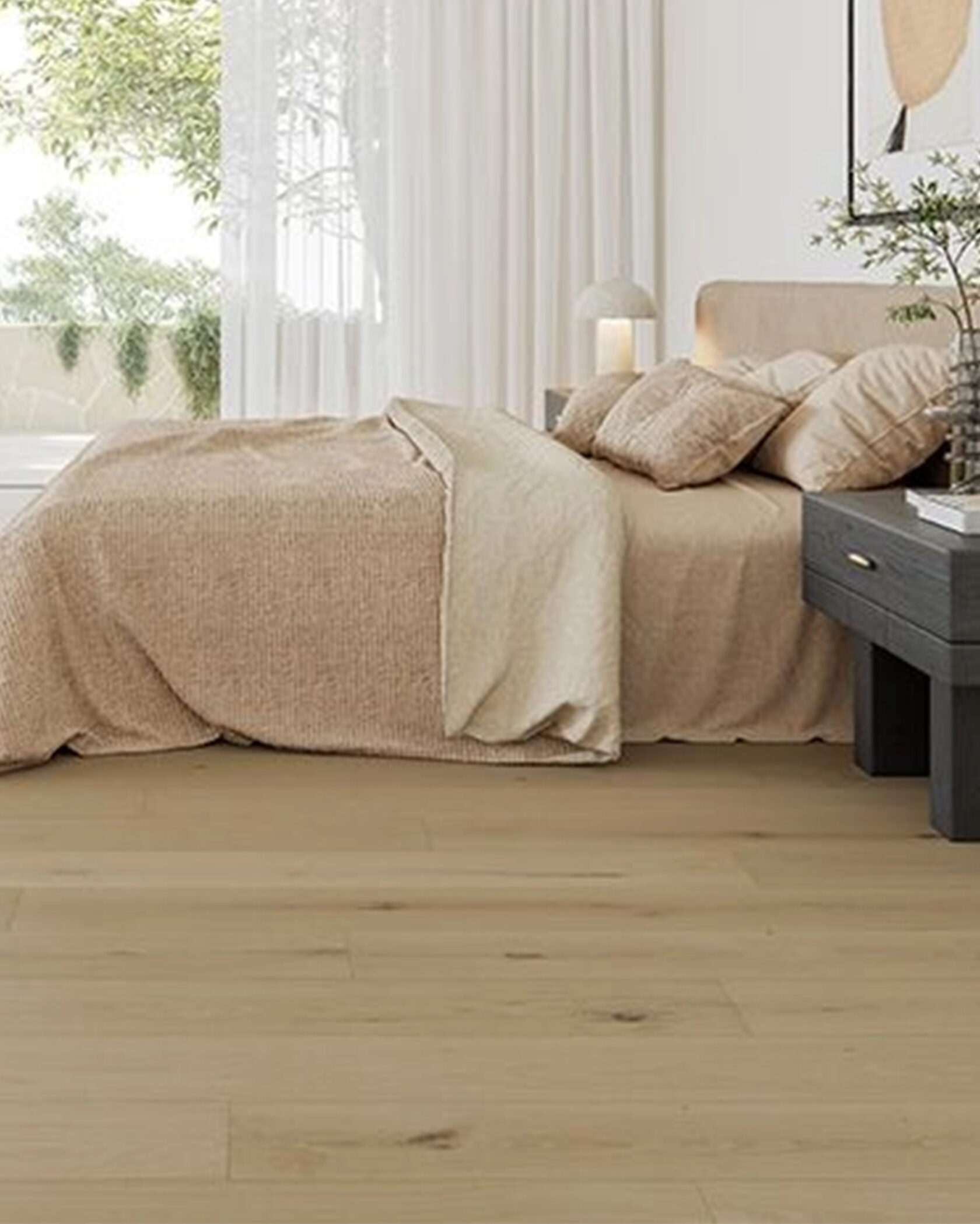
ast-timber-grandoak-noble-lifestyle-eofy-offer
Australian Select Timbers (AST)
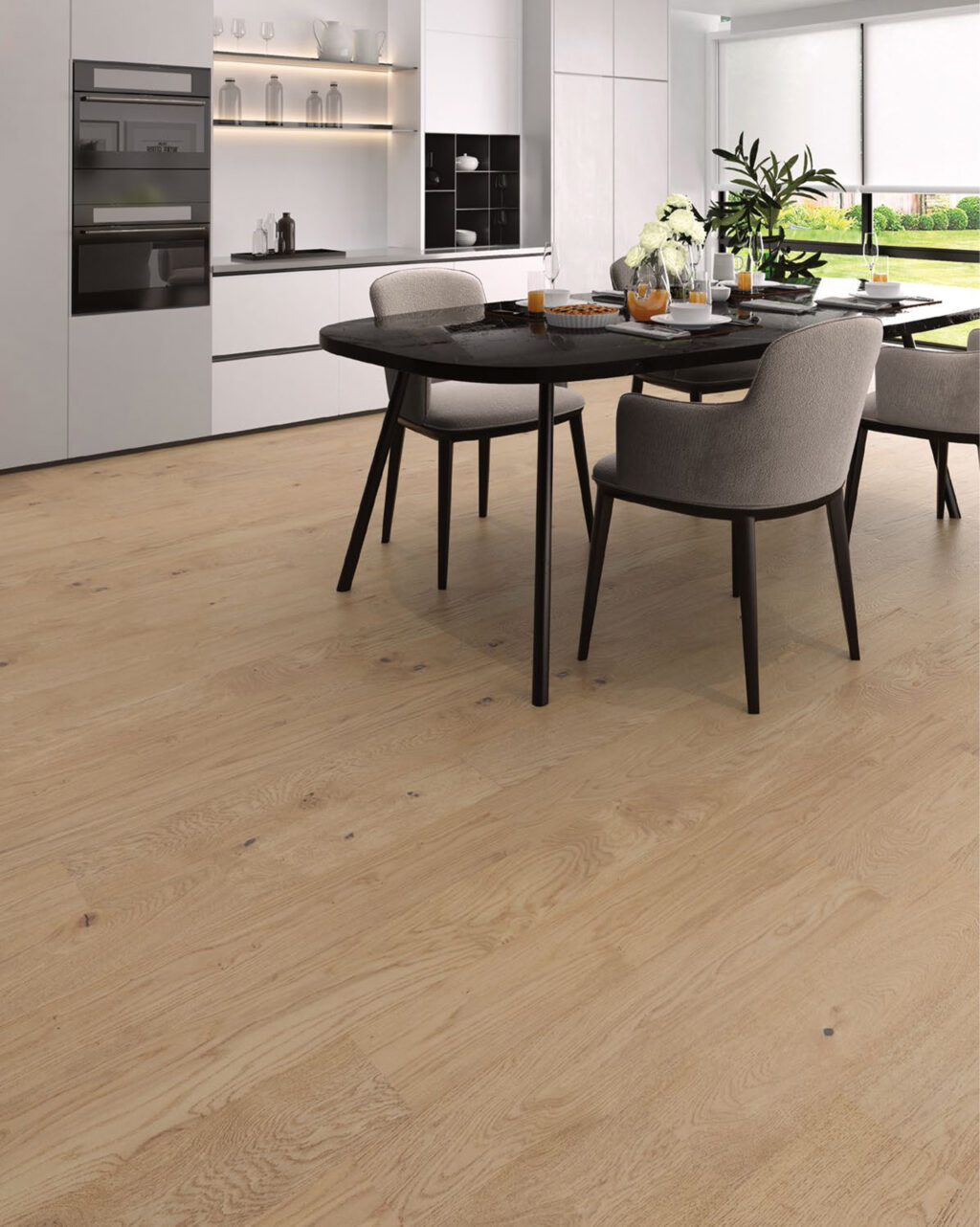
GrandOak Noble
Lacquered, $$$$
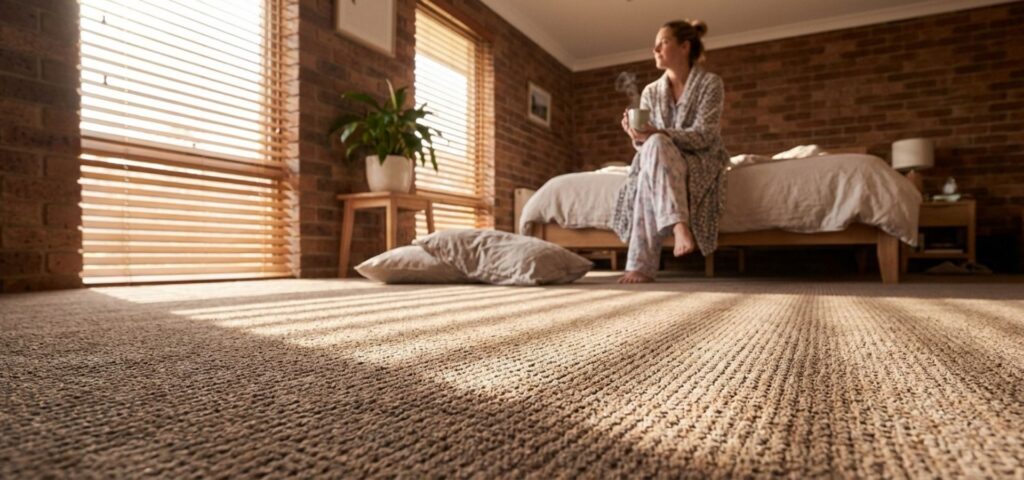
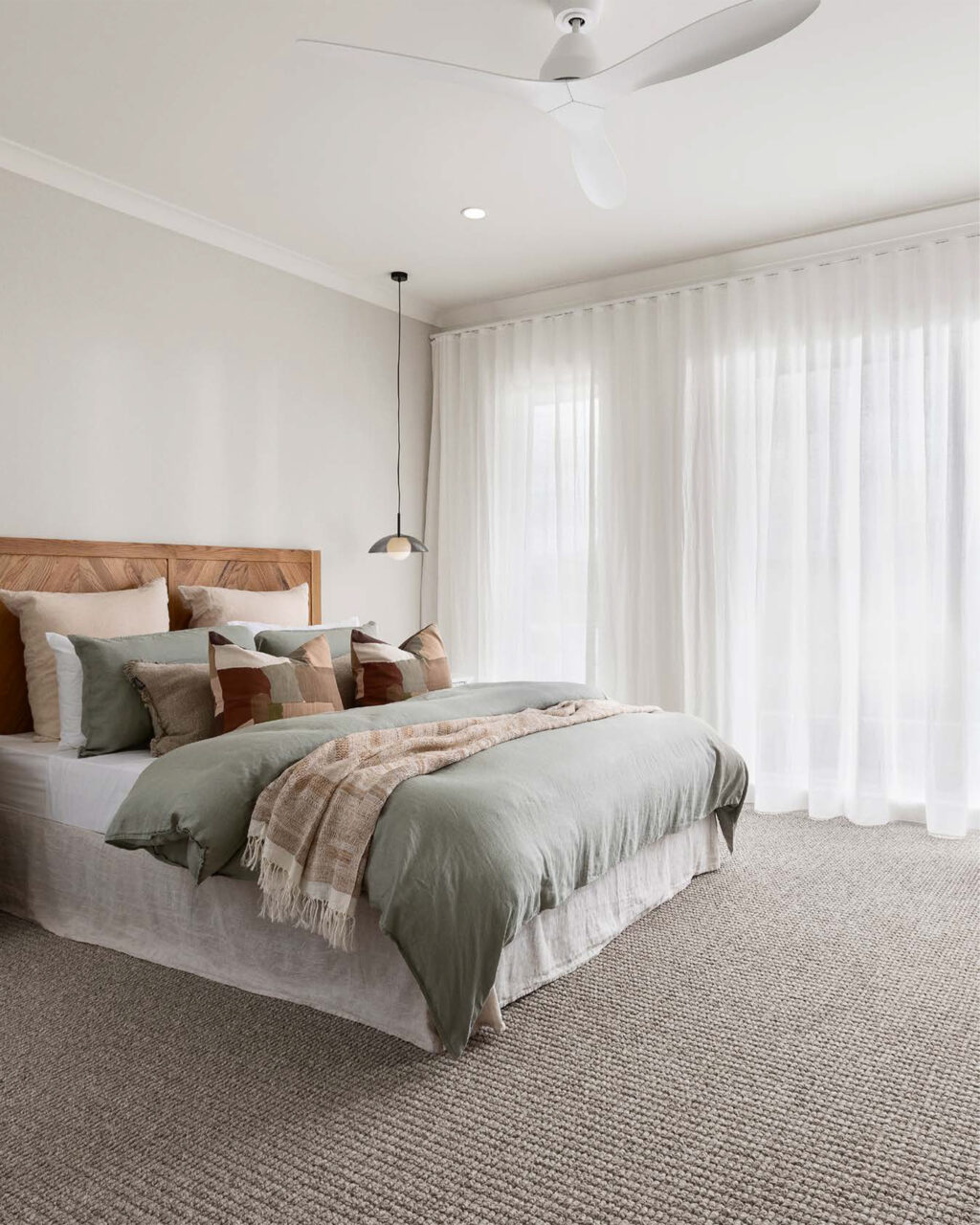
Timber flooring in comfortable bedroom with curtains

Timber floor care checklist (daily, weekly, seasonal)

Daily / as needed

  • Quick dry mop in entryways and main walkways

Weekly

  • Spray mop with a pH-neutral timber cleaner

Monthly

  • Check felt pads, chair feet, and high-wear lanes

Seasonal

  • Manage sun exposure and keep indoor humidity steady where possible

What you need before you start (so you don’t overcomplicate it)

Tools

  • Microfibre dust mop
  • Vacuum with hard-floor attachment (no rotating brush)
  • Soft cloths for spot cleaning

Products

  • A pH-neutral cleaner made for timber floors (not dish soap, not multi-purpose spray)

Two checks

  • If you’re not sure what finish you have, check your product details first, or see the finish section below
  • If your floor is newly installed, follow the manufacturer’s care guide first

How often should you clean timber flooring?

Most timber floors don’t need heavy cleaning. They need consistency.

  • Busy homes: dry mop or vacuum most days in entry and living zones
  • General routine: 2–3 times per week
  • Spray mop: weekly or fortnightly depending on traffic

The main reason timber floors start looking dull early isn’t age. It’s grit and cleaner residue.


What’s the best way to vacuum timber floors without scratching them?

Grit is the quiet destroyer of timber floors. It gets tracked in, then acts like sandpaper underfoot.

  • Use a microfibre dust mop or vacuum on bare floor mode
  • If your vacuum has a rotating brush (beater bar), switch it off
  • Don’t skip edges and under furniture where dust builds up
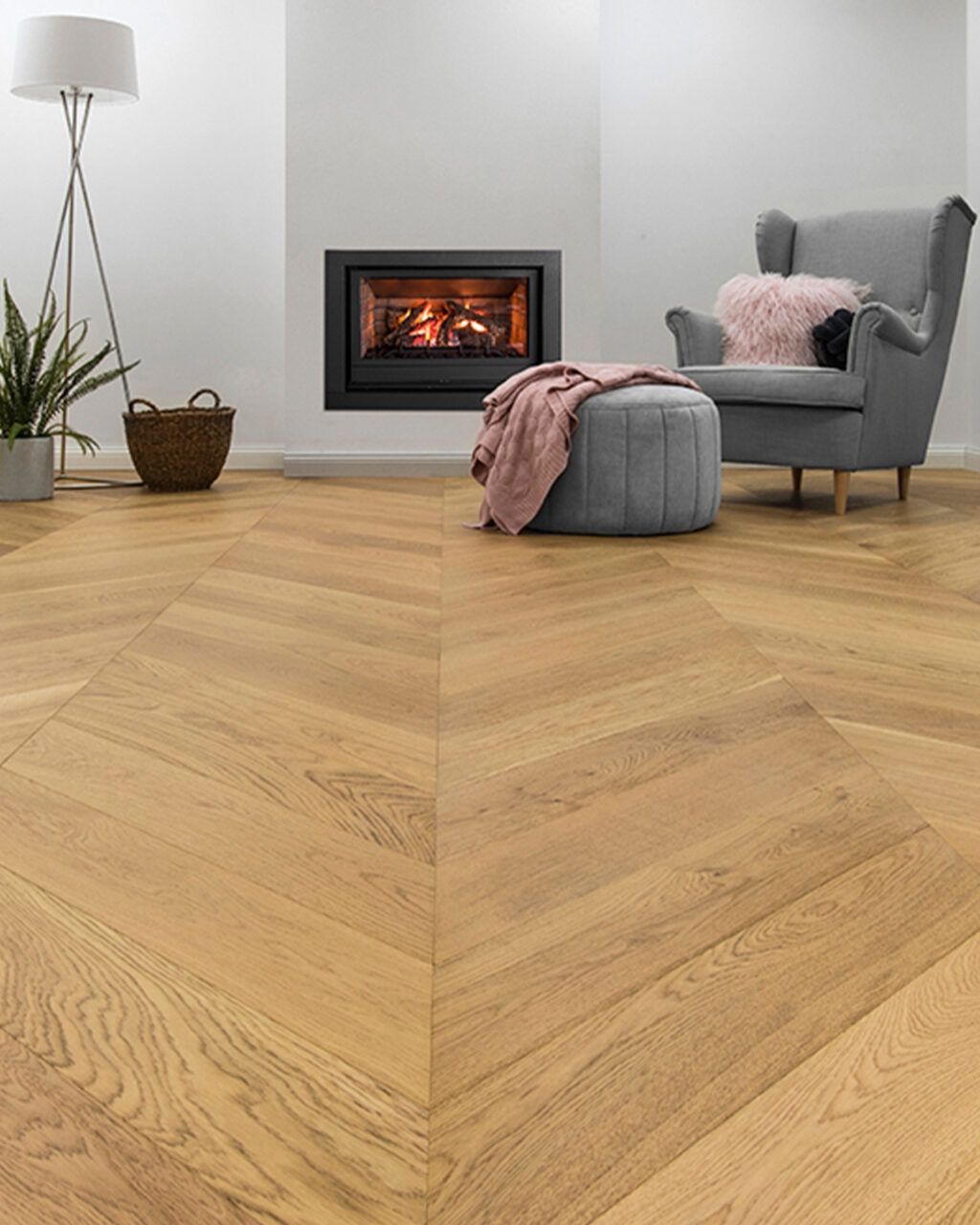
ast-timber-grand-oak-chevron-lifestyle-eofy-offer
Australian Select Timbers (AST)
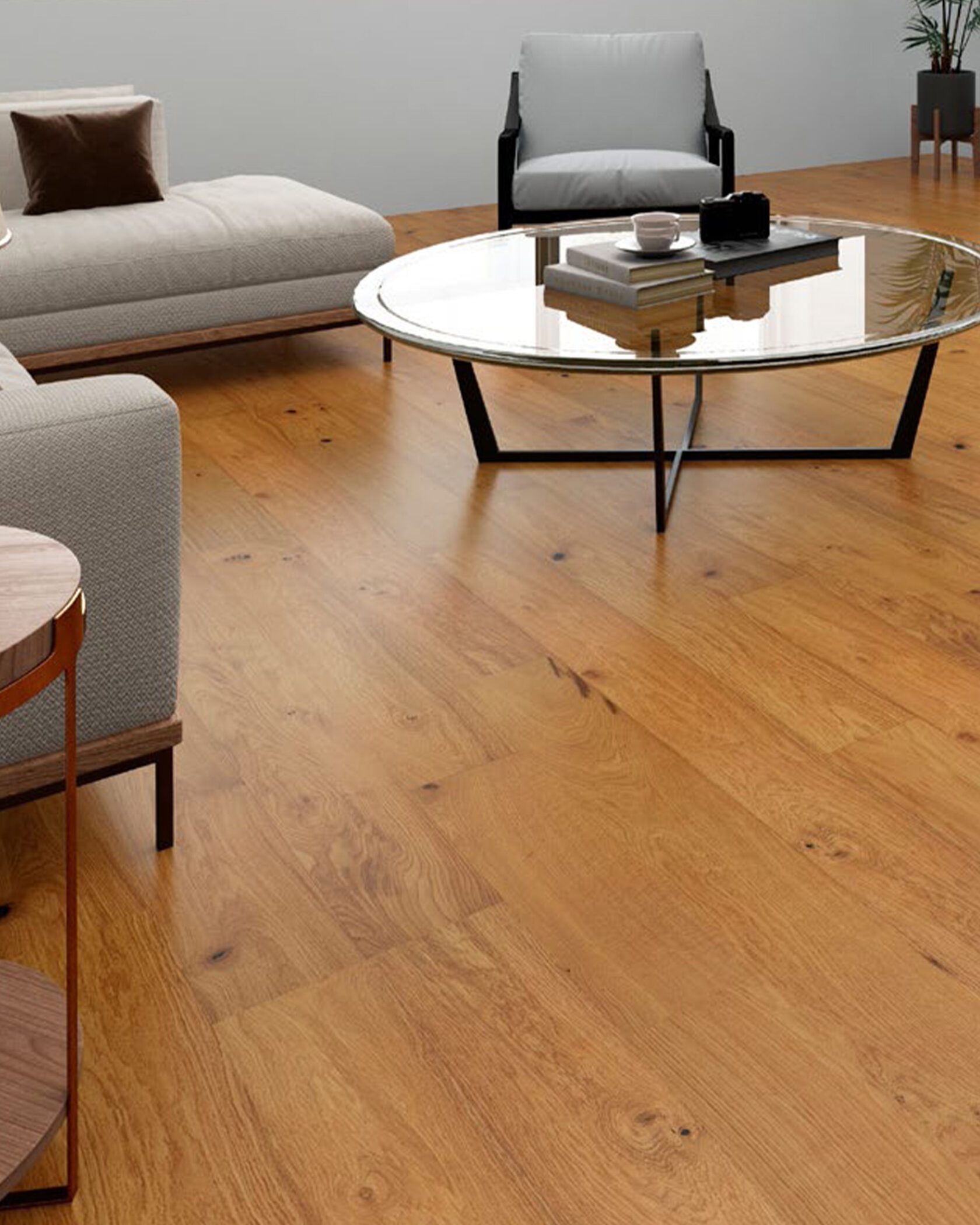
GrandOak Chevron
Lacquered, $$$$
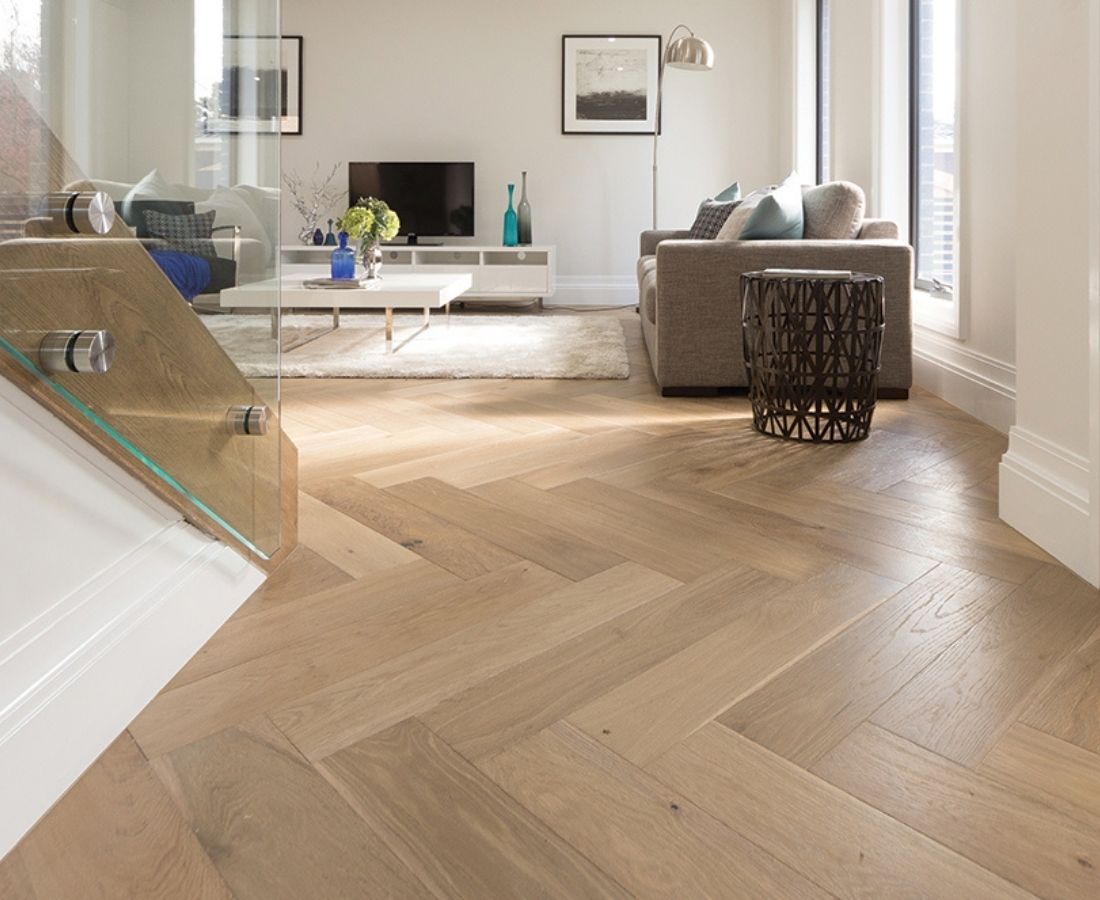
GrandOak Chevron Timber Flooring – Lifestyle Image 2 | Floorworld

Can you mop timber floors without damaging them?

Yes, but a spray mop is recommended to use to ensure the flooring does not get too damp.

The mop should be barely damp. If you can see water sitting on the surface, it’s too wet.

  • Use a pH-neutral timber cleaner diluted as directed (or as per label instructions)
  • Mop with the grain
  • Let it air dry before normal foot traffic
  • Never leave water sitting on the surface


What should you avoid when cleaning timber flooring?

This is where most damage happens over time:

  • Steam mops (heat + moisture can stress finishes and push moisture into joins)
  • Soaking wet mops (standing water is a risk)
  • Vinegar / acidic DIY mixes (can dull or degrade finishes over time)
  • Ammonia-based cleaners (can be harsh on many finishes)
  • Household detergents that leave residue (often the cause of patchy dullness)

If in doubt, don’t experiment. If a product isn’t designed for timber floors, skip it.

How do you handle spills and stains on timber floors?

Spills are where timber gets damaged fast, but the fix is usually simple: act quickly.

  • Blot immediately with a dry cloth (don’t spread it around)
  • For sticky residue, use a small amount of pH-neutral cleaner on a cloth
  • Dry the area completely after cleaning
  • For stubborn marks, avoid “stronger” chemicals first and get advice

How to tell what finish your timber floor has (sealed vs oiled)

Different finishes need different care routines. The most accurate way to identify your finish is to check your product details or ask your installer or retailer.

If you’re still unsure, take a clear photo and bring it into store. Identifying the finish before choosing a cleaner is the safest move.

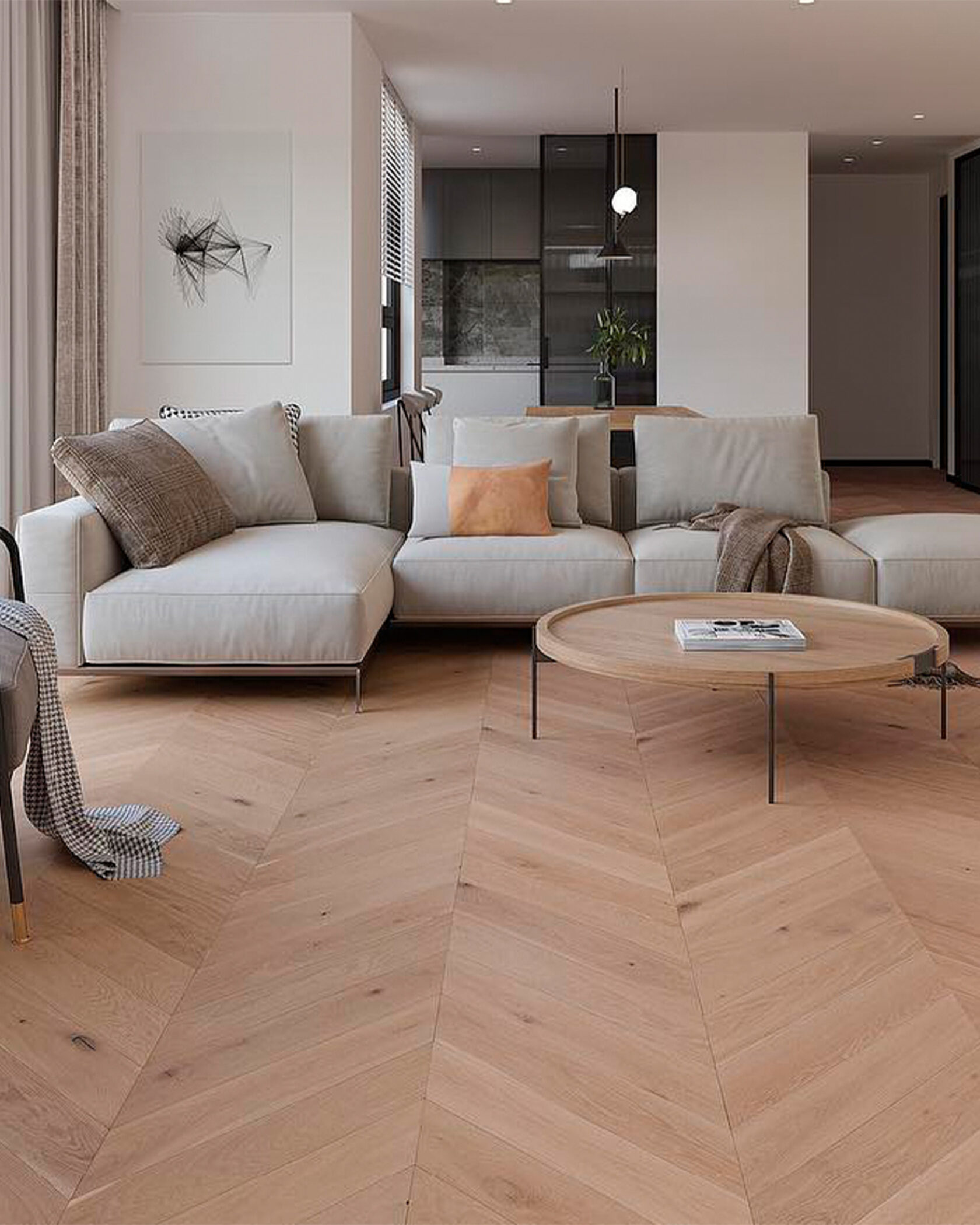
ast-timber-coastline-lifestyle-eofy-offer
Australian Select Timbers (AST)
Healthy Haven
Coastline
Lacquered, $$$
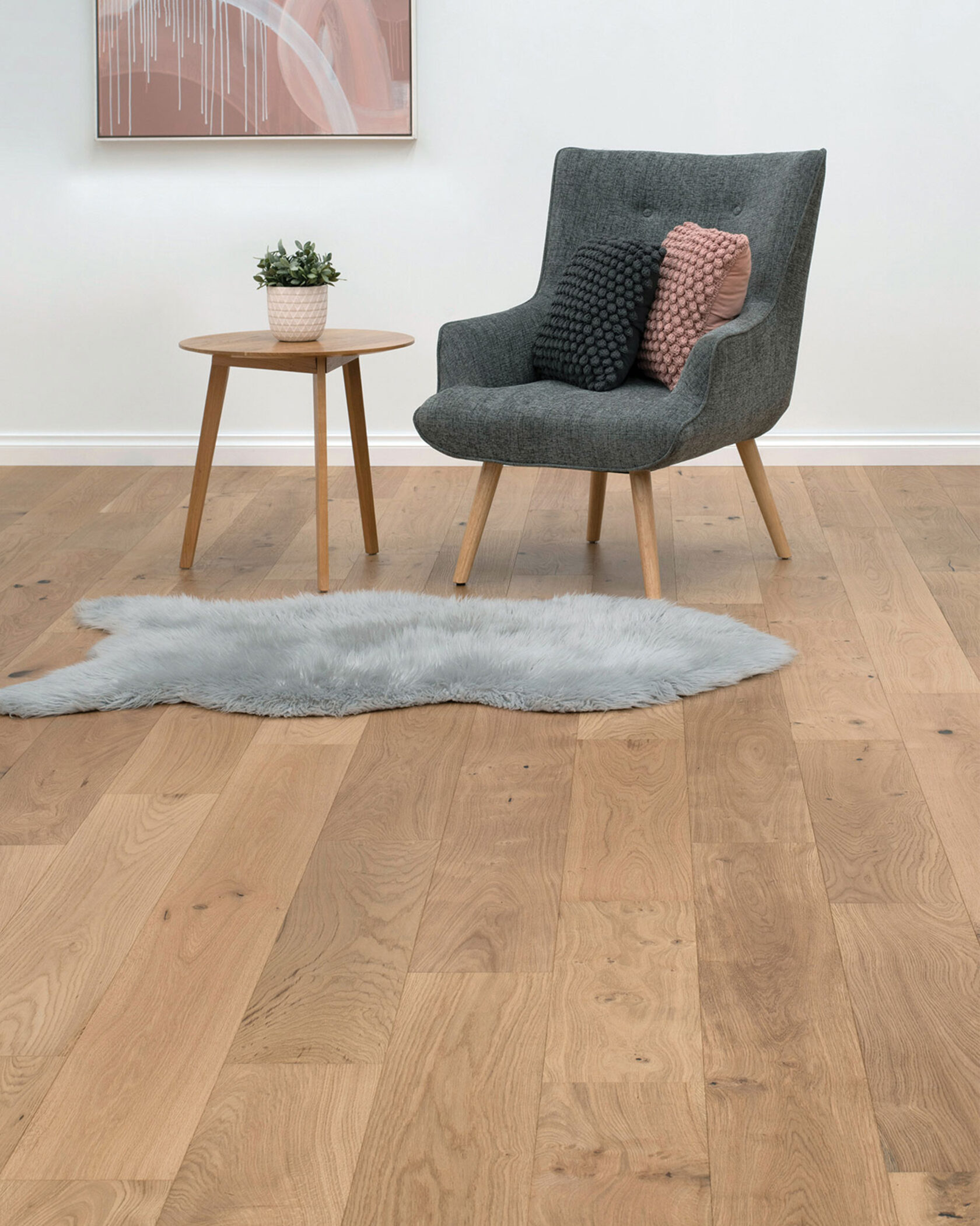
Timber flooring interior with furniture and rug

Why timber floors need a bit more attention in Australia than most generic advice suggests.

Australia’s climate is harder on timber floors than most — wide humidity swings, scorching summers, and intense UV put stress on boards that overseas advice simply doesn’t account for.

Humidity changes: Timber naturally expands in humid conditions and contracts in drier air. Over a year, that movement can show up as small gaps, slight movement, or squeaks.
If you can, aim for steady indoor conditions. The goal isn’t perfection, it’s avoiding extremes.

Sun exposure: Direct sun can fade timber and finishes over time. If you’ve got big windows:

  • use blinds/curtains during peak sun
  • rotate rugs occasionally to prevent uneven colour change

How do you protect timber flooring from scratches and dents?

This is where small habits save you money long-term.

  • Add an outdoor doormat plus an indoor mat (entry grit is the biggest wear driver)
  • Use felt pads under furniture legs
  • Lift furniture instead of dragging it
  • Use runners in long hallways if that’s your main traffic lane
  • Keep nails trimmed if you’ve got pets

Three real-life scenarios (and what to do)

  1. Busy family home with kids: Prioritise entry mats and frequent dry mopping. If your floor looks “cloudy”, it’s often residue build-up from the wrong cleaner or over-mopping.
  2. Coastal home or humid climate: Keep airflow up and avoid trapping moisture under rugs. Damp mop less, and make sure your mop is properly wrung out.
  3. Apartment or upstairs home: Timber can amplify footfall noise. Rugs and runners in walkways help. Choose breathable rug backings and clean underneath regularly.

From the workshop floor: what timber care issues we see most often (Australian Select Timbers)

If there’s one thing we want homeowners to know, it’s this: most “damage” we hear about isn’t the timber wearing out. It’s cleaning habits that gradually dull the finish, leave residue behind, or push moisture where it shouldn’t go.

Here are the most common things we see, and what usually fixes it.

  1. The floor looks patchy or cloudy after mopping: What’s usually happening: cleaner residue or too much water.
What we recommend: use a pH-neutral cleaner matched to your finish, use less product, and wring the mop until it’s barely damp. If you can see water on the surface, it’s too wet.
  2. “I only used vinegar because it’s natural”: What’s usually happening: vinegar is acidic, and over time it can dull or weaken certain finishes. What we recommend: avoid DIY mixes and use a timber floor cleaner designed for your finish type.
  3. The floor has marks in the same walkway strip: What’s usually happening: grit. It behaves like sandpaper underfoot. What we recommend: two mats (outside + inside) and regular dry cleaning in traffic lanes. It’s simple, but it works.
  4. “Can I use a steam mop if I’m careful?”: What’s usually happening: steam forces heat and moisture into joins and edges. It might look fine short-term, then problems show up later.
What we recommend: avoid steam. Use a well-wrung mop and a finish-appropriate cleaner.

A simple tip we give almost everyone: mop one small section, then run your hand across it. It should feel slightly damp at most, never wet. That one habit prevents a lot of long-term issues.


Which cleaner does your timber floor actually need?

One of the most common questions homeowners ask is: what should I actually be cleaning my timber floor with? The honest answer is that it depends on your finish.

A cleaner that works well on one finish can leave residue, dull the surface, or gradually break down protective layers on another. The safest approach is always the same:

  • identify your finish
  • use a cleaner designed for that finish
  • follow the manufacturer’s care guide and label directions

If you have an Australian Select Timbers (AST) floor, follow AST’s care guide and use the cleaner system recommended for your finish type. If your timber floor is from another manufacturer, the same principle still applies: match the cleaner to the finish and follow that manufacturer’s instructions.
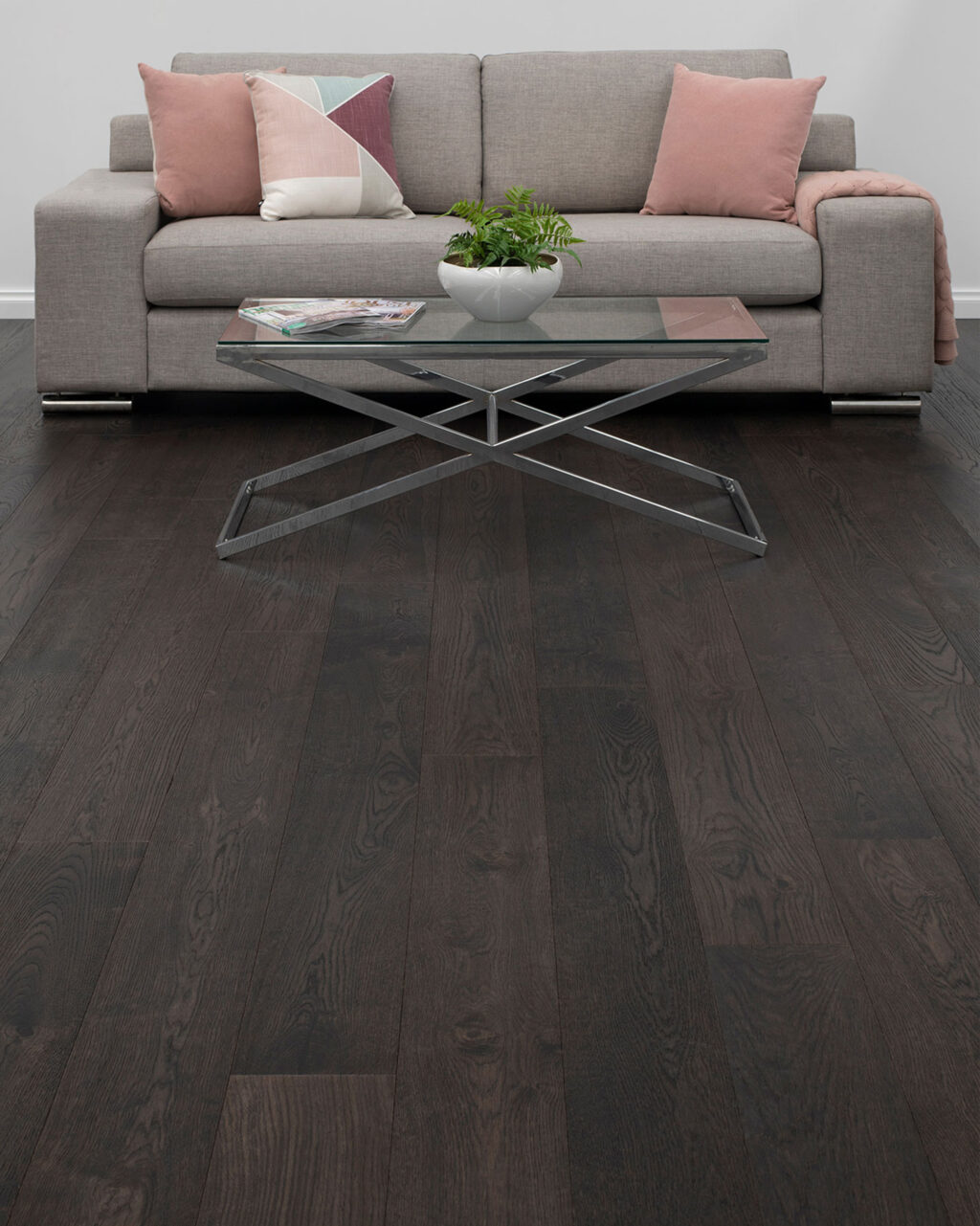
ast-timber-aurora-lifestyle-eofy-offer
Australian Select Timbers (AST)
Healthy Haven
Aurora Oak
Lacquered, $$$
aurora-lifestyle-2

FAQs about cleaning and maintaining timber flooring

  • Can you use a steam mop on timber floors? It’s generally not recommended. Steam introduces heat and moisture, and over time that can stress finishes and push moisture into joins.
  • How often should you damp mop timber floors? Weekly is common, but fortnightly can be enough in lower-traffic homes. The bigger priority is regular dry cleaning to remove grit.
  • What’s the safest cleaner for timber floors? It depends on your finish. For most sealed timber floors, a pH-neutral timber floor cleaner is usually the safest option. For oil or wax-oil finishes, use a cleaner formulated specifically for that finish type. If you have an AST floor, follow the AST care guide for the recommended cleaner for your finish.
  • Why is my timber floor gapping or warping? Moisture is a common factor: humidity swings, repeated wet mopping, spills left too long, or moisture coming from below the floor. Some seasonal gapping can be normal.
  • Can you refinish timber floors if they’re scratched? It depends on the product and finish. Some timber floors can be sanded and refinished, while others may only allow recoating or a limited refresh.

Compliance note

This article provides general care guidance for common timber flooring finishes in Australian homes. Always follow your product’s manufacturer care instructions and warranty conditions, as cleaning products, moisture limits, and maintenance schedules can differ by range and finish.

Related posts

-
My list

Your saved products will appear here.
Add floors you love to compare and share with your nearest Floorworld store.