
Approximate Read Time: 17 Minutes
We love flooring! And when you love something, you (hopefully) want to do whatever you can to look after it. Introducing our ultimate flooring care and maintenance guide to ensure you know how best to care for your floors!
Whether you’re a proud owner or looking to purchase some new vinyl, hybrid, timber, carpet, or laminate flooring, this comprehensive article will equip you with the knowledge and tips needed to keep your floors looking flawless for years to come.
From general cleaning techniques to product-specific care instructions, the team at the Floorworld Blog have got you covered every step of the way.
Table of Contents
1. General Floor Cleaning Tips
2. Things to Watch Out For When Caring for Your Floors
3. Preparation Before Cleaning Your Floors
4. Carpet Flooring Care and Maintenance
5. Vinyl Flooring Care and Maintenance
6. Hybrid Flooring Care and Maintenance
7. Timber Flooring Care and Maintenance
8. Laminate Flooring Care and Maintenance
9. Seasonal Care Tips for Flooring
10. Flooring Care for Homes with Children, Pets, and Allergies
11. Eco-Friendly Solutions for Cleaning and Maintaining Your Floors
12. Frequently Asked Questions
13. Conclusion to Your Flooring Care and Maintenance Guide
1. General Floor Cleaning Tips
Consistent and regular cleaning is the cornerstone of any floor maintenance. Regardless of the type of flooring you have, having a clear cleaning routine is crucial for keeping dirt, grime, and stains away and improving the longevity of your floors.
Here are a few things to help you effectively clean your floors:
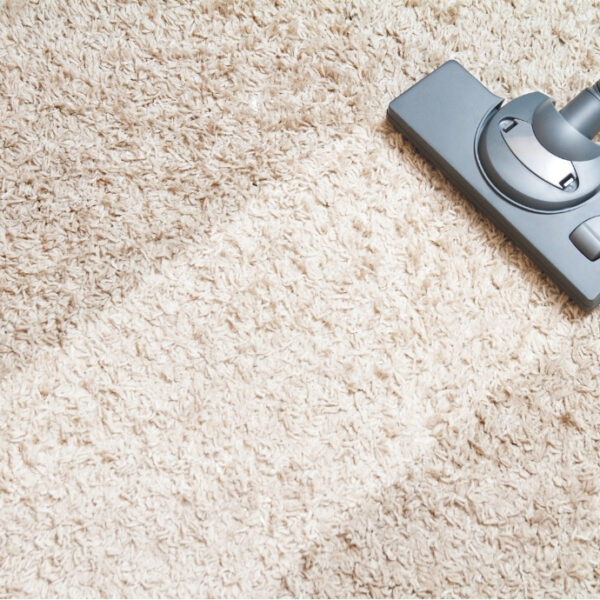
Sweep or Vacuum: Remove loose dirt, dust, and debris using a broom or vacuum cleaner with a soft brush attachment. Pay special attention to corners, edges, and under furniture where dirt tends to accumulate.
Mop with the Right Type of Cleaner: After dry cleaning, you may consider mopping your floors using a suitable cleaner for your flooring material. Avoid using harsh chemicals or abrasive cleaners that can damage the surface.
Instead, opt for pH-neutral or mild detergent solutions recommended by the flooring manufacturer that are suitable for your specific flooring.
Use the Right Tools: Choose cleaning tools that are gentle yet effective on your floors. Microfiber mops and soft-bristled brushes are ideal for most flooring types as they trap dirt and prevent scratching.
Understand Your Flooring: Different flooring types and even categories within that type require different cleaning methods and techniques. Be sure to read up and check you have the correct method for the right floor.
Avoid Excess Moisture: Some flooring types do not do well with moisture, and even for water-resistant ones, excessive moisture can still cause damage over time. Be sure to wring out your mop thoroughly to avoid leaving behind puddles, and always dry the floor promptly after mopping.
2. Things to Watch Out For When Caring for Your Floors
While proper cleaning and maintenance can prolong the life of your floors, it’s essential to be mindful of potential hazards and take preventive measures to avoid damage:
Heavy Furniture: Avoid dragging heavy furniture across the floor, as it can scratch or dent the surface. Consider using furniture pads or coasters under chair legs and table feet to distribute weight evenly and prevent indentations.
High Heels and Spiked/Studded Shoes: Avoid wearing high heels or shoes with sharp, pointed soles indoors. They can leave dents or cause damage to certain flooring materials, such as timber and laminate.
Pet Claws: Trim your pet’s nails regularly to prevent them from scratching or gouging the floor surface, especially if you have hardwood or laminate flooring.
Direct Sunlight: Prolonged exposure to direct sunlight can cause fading and discolouration of certain flooring materials, such as timber and vinyl. Use curtains, blinds, or UV-blocking window film to protect your floors from harmful UV rays.
Moisture and Humidity: Excessive moisture and humidity can lead to mould, mildew, and warping of wood-based flooring materials. Use a dehumidifier in humid climates and wipe up spills promptly to prevent water damage.
Consider the Needs of Your Household: Specific households with pets, children and especially allergy sufferers may require further thought depending on the individual’s sensitivity to cleaning products.
Make sure to keep them away from areas being cleaned or use pet-safe, non-toxic or hypoallergenic cleaners with proper ventilation to mitigate the risk.

3. Preparation Before Cleaning Your Floors
Here’s a step that we find some miss. Before getting out the vacuum and mop, there are a few steps you need to take to ensure the best cleaning for your floors.
Clear the Area: Remove furniture, rugs, and any objects from the floor to access the entire surface. This prevents obstacles from getting in the way and ensures you don’t miss any spots.
Check for Specific Manufacturer Instructions: Always check your flooring manufacturer’s care guide. They often provide specific instructions that are crucial for maintaining the warranty and longevity of your floors.
Spot-treat Stains: Check for stains or spots that can’t be dealt with general cleaning. Use specific stain removers for your type of floor to treat these areas before you begin cleaning overall. Depending on the surface, be gentle, blot, and don’t rub to avoid spreading the stain.
Check for Scratches and Gouges: Identify any scratches or gouges in your flooring. Ideally, these should be repaired before cleaning to prevent water or cleaning solutions from seeping in and causing long-term damage.
Protect the Finish: For floors with an external finish, ensure you’re using suitable cleaning products. Avoid harsh chemicals that can strip the finish or damage the material.
Check for Loose Sections: Examine the floor for any loose or peeling sections. Secure these before cleaning to prevent further damage.
Choose the Right Cleaners: Each flooring type requires a specific use case. Make sure to read up and check what works for your floor, whether it be more pH-neutral cleaners or less moisture-rich options. Be wary of harsh chemicals that can degrade the layers of your flooring.
4. Carpet Flooring Care and Maintenance
Carpets are great! They feel great, look great and add a touch of comfort to any home. Read on to find out how to bring out the best in your carpets and considerations you may not know about cleaning your specific carpet fibre.
Let’s start with some straightforward tips to keep your carpets looking that way for years to come:
- Regular cleaning is essential to maintain your carpets.
- Vacuum at least once a week using a high-quality vacuum cleaner.
- Treat spills promptly to prevent them from becoming permanent stains.
- Avoid excessive water during cleaning to prevent mould and mildew growth.
- Trim loose fibres and test cleaning solutions on a small area for colourfastness.
- Blot don’t rub
- Avoid cleaning too frequently to reduce wear on your carpets.
For a deeper look into anything mentioned in this section regarding carpet care, read our article: How to Deep Clean and Maintain Your Carpet: A 9-Step Guide.
How Different Carpet Types need Different Cleaning Methods
Carpets are made of different fibres, each with its own unique features and advantages. Each requires its own specific cleaning methods to bring out the best in it. Knowing what kind of carpet you have is essential before deciding on a cleaning method.
- Wool carpets: Sensitive to moisture, so dry cleaning or limited low-moisture options are best.
- Solution-dyed nylon carpets: Can handle steam cleaning, but pH-balanced solutions can be used to avoid damage.
- Triexta carpets: Similar to solution-dyed nylon, can be steam cleaned with pH-balanced solutions.
- Polyester carpets: Resist stains but need regular vacuuming and occasional steam cleaning.
- Polypropylene carpets: Moisture-resistant but vulnerable to heat damage, so avoid using hot water in your cleaning.
Quick step-by-step Carpet Cleaning Guide
1. Vacuum thoroughly to remove surface dirt and debris.
2. Spot-treat stains promptly with appropriate stain removers.
3. Choose the proper cleaning method based on your carpet type (dry cleaning, steam cleaning, or shampooing).
4. Rinse with clean water to remove residue and excess moisture, making sure to extract as much moisture as possible so as not to cause long-term damage.
5. Ensure proper ventilation for drying, and avoid walking on the carpet until fully dry.
Carpet Maintenance after cleaning
What use is cleaning your floors if you can’t maintain them? Below are a few brief recommendations for how to maintain your carpets:
- Regularly vacuum to reduce dirt build-up
- Place doormats at entrances and high-traffic areas
- Furniture coaster and pads to prevent damage
- Move around furniture occasionally to reduce wear
- Avoid direct sunlight damage
5. Vinyl Flooring Care and Maintenance
We appreciate vinyl flooring as an affordable option known for its durability, water resistance, ease of maintenance, and ability to mimic natural, more expensive materials. In this section, we discuss how to clean and care for vinyl floors to keep them looking their best.
Let’s start with some general tips for vinyl flooring maintenance:
- Clean vinyl floors and sweep or vacuum regularly to remove dirt and debris.
- Mop with a vinyl floor cleaner or a mixture of warm water and mild detergent.
- Avoid using abrasive cleaners or scrub brushes that can scratch the surface.
- Use a gentle scrubbing pad or nylon brush for tough stains or scuff marks.
- Consider applying a vinyl floor polish or protective coating to enhance durability and shine.
- Avoid using excessive water during cleaning to prevent moisture from seeping into seams.
How Different Vinyl Types Need Different Cleaning Methods
Vinyl flooring comes in various types, each with its own unique features and cleaning requirements. Here’s how to handle the most common types:
- Luxury Vinyl Plank (LVP): LVP mimics the look of natural wood and requires regular sweeping and damp mopping with a vinyl floor cleaner to maintain its appearance.
- Luxury Vinyl Tile (LVT): LVT replicates the look of stone or tile and can be cleaned similarly to LVP. Avoid using abrasive scrubbers that can scratch the surface.
- Sheet Vinyl: This type is often used in kitchens and bathrooms due to its seamless design. Regular sweeping and mopping with a non-abrasive cleaner will keep it looking great.
Quick step-by-step Vinyl Flooring Cleaning Guide
1. Thoroughly sweep or vacuum to remove surface dirt and debris
2. Mix a mild, non-abrasive vinyl floor cleaner with warm water according to the manufacturer’s instructions.
3. Use a microfiber mop dampened with the cleaning solution. Mop in the direction of the planks or tiles to avoid streaks and ensure thorough cleaning.
4. After mopping, use a clean, damp mop or cloth to remove any remaining cleaner. Dry the floor with a dry microfiber cloth to prevent water spots and ensure no moisture seeps into seams.
5. For stubborn stains, use a soft cloth or sponge dampened with the cleaning solution. Gently blot the stain from the outside in.
Vinyl Flooring Maintenance after Cleaning
- Regularly sweep or vacuum to reduce dirt build-up
- Place doormats at entrances and high-traffic areas.
- Furniture coaster and pads to prevent damage
- Avoid direct sunlight to prevent fading or discolouration
- Avoid sharp objects or footwear to reduce dents and scratches
6. Hybrid Flooring Care and Maintenance
We think Hybrid flooring is fantastic! It combines the best features of vinyl and laminate, offering durability, water resistance, and a stunning look that can complement any home. Let’s dive into how to keep your hybrid flooring in top-notch condition and consider some specific care tips you might not know.
Let’s start with some straightforward tips to keep your hybrid floors looking their best for years to come:
- Regular cleaning is essential to maintain your hybrid flooring.
- Sweep or vacuum at least once a week using a soft-bristle broom or a vacuum cleaner.
- Clean up spills promptly to prevent staining or damage.
- Avoid excessive water during cleaning to prevent moisture from seeping into the seams.
- Use a pH-neutral cleaner specifically designed for hybrid floors.
Avoid high heels and sharp objects that can cause dents or scratches.
To learn more about hybrid flooring, read our article: