-
  • Choosing Flooring

Engineered timber vs solid timber flooring: which one is right for your home?

Nehrish Ali
Published: Jun 19th, 2026
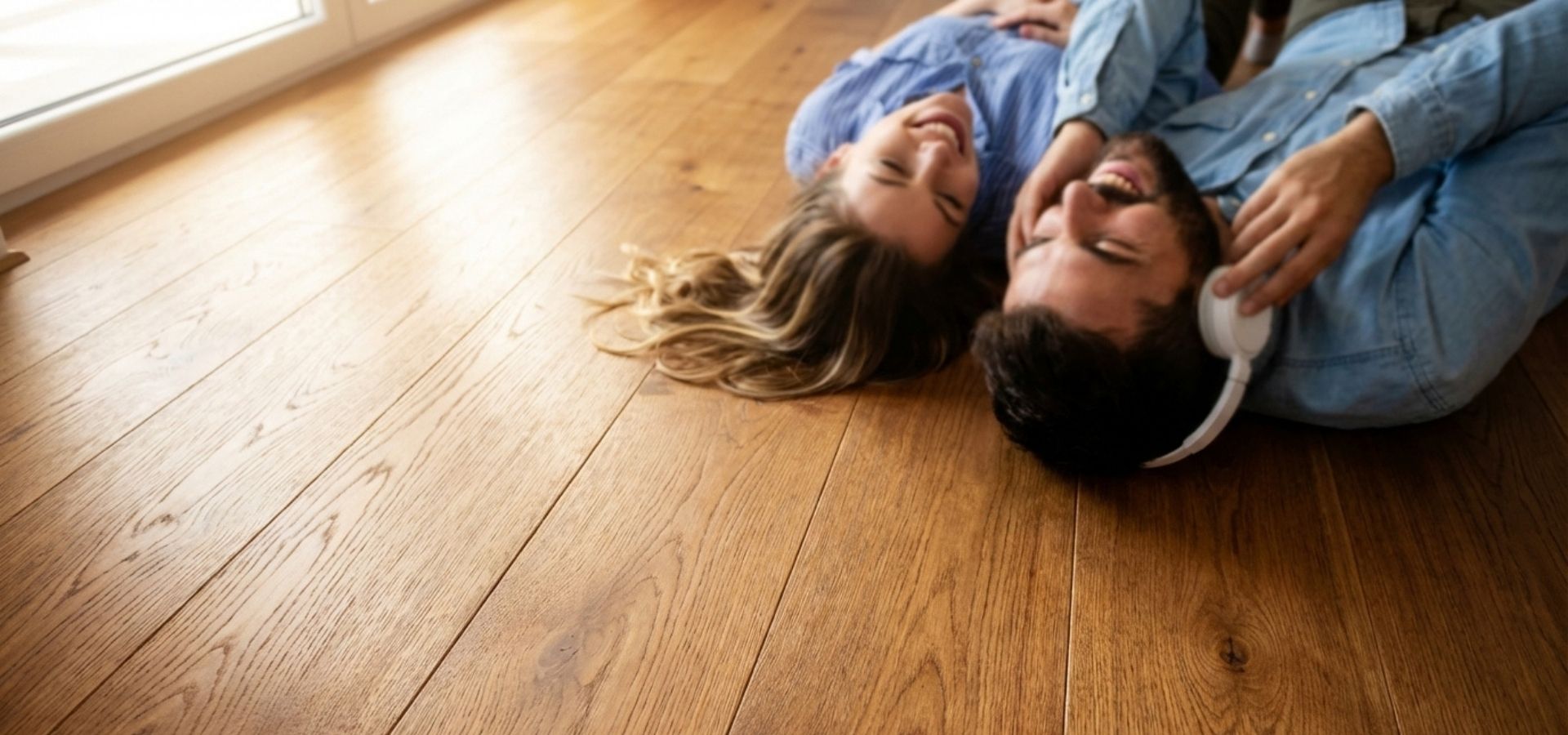
timber flooring luxury living young couple

In this article

This is one of the questions we get most often in store, and it’s a genuinely useful one to ask. Both are real timber floors. Both look beautiful. Both can last a very long time. But they behave quite differently in a home, and putting the wrong one down can cause real problems.

The good news is that the choice usually becomes clear once you know a few key things about how your home is built and where you live in Australia. This guide walks you through both options honestly, so you can make a confident decision.

Australian Species Timber Flooring – Lifestyle Image 2 | Floorworld
Hard Flooring
Timber Flooring
Australian Species
Heartridge • $$$
Australian Species Timber Flooring – Lifestyle Image 2 | Floorworld
Blackbutt

What is the actual difference?

It’s in the construction, not the surface.

Solid timber

Solid timber is exactly what it sounds like: a single piece of hardwood, milled from top to bottom. In Australia, you’ll typically find it in species like blackbutt, spotted gum, tallowwood, jarrah, and Sydney blue gum. These are dense, slow-grown hardwoods that develop character over time. Wear patterns, small variations, the way the colour shifts with light and age. That’s part of what makes them special.

Because the board is solid all the way through, it can be sanded and refinished multiple times over its life. Scratches, sun fade, and wear can be removed and the floor brought back to looking like new. Done properly, a solid timber floor from quality Australian species can last generations.

Clever Bamboo Ultimate Timber Flooring – Lifestyle Image 2 | Floorworld
Solid Timber at Floorworld
Floorworld stores carry solid hardwood in Australian species including blackbutt and spotted gum. Your store team can advise on species, grades, and what suits your subfloor and location

Engineered timber

Engineered timber has a real hardwood veneer on top, bonded to a layered plywood core underneath. What you see on the surface is genuine timber. The difference is in the structure below it.

That layered core is what makes engineered timber more stable. Because the layers run in opposing directions, the floor resists the natural expansion and contraction that timber goes through when humidity and temperature change. The result is a floor that holds its shape reliably across a much wider range of conditions than solid timber can manage.

The thickness of the veneer on top varies between products. A thinner veneer has less scope to be sanded down the track. A thicker veneer gives you more options for refinishing over the floor’s life. It’s one of the more important questions to ask when you’re comparing engineered products in store.

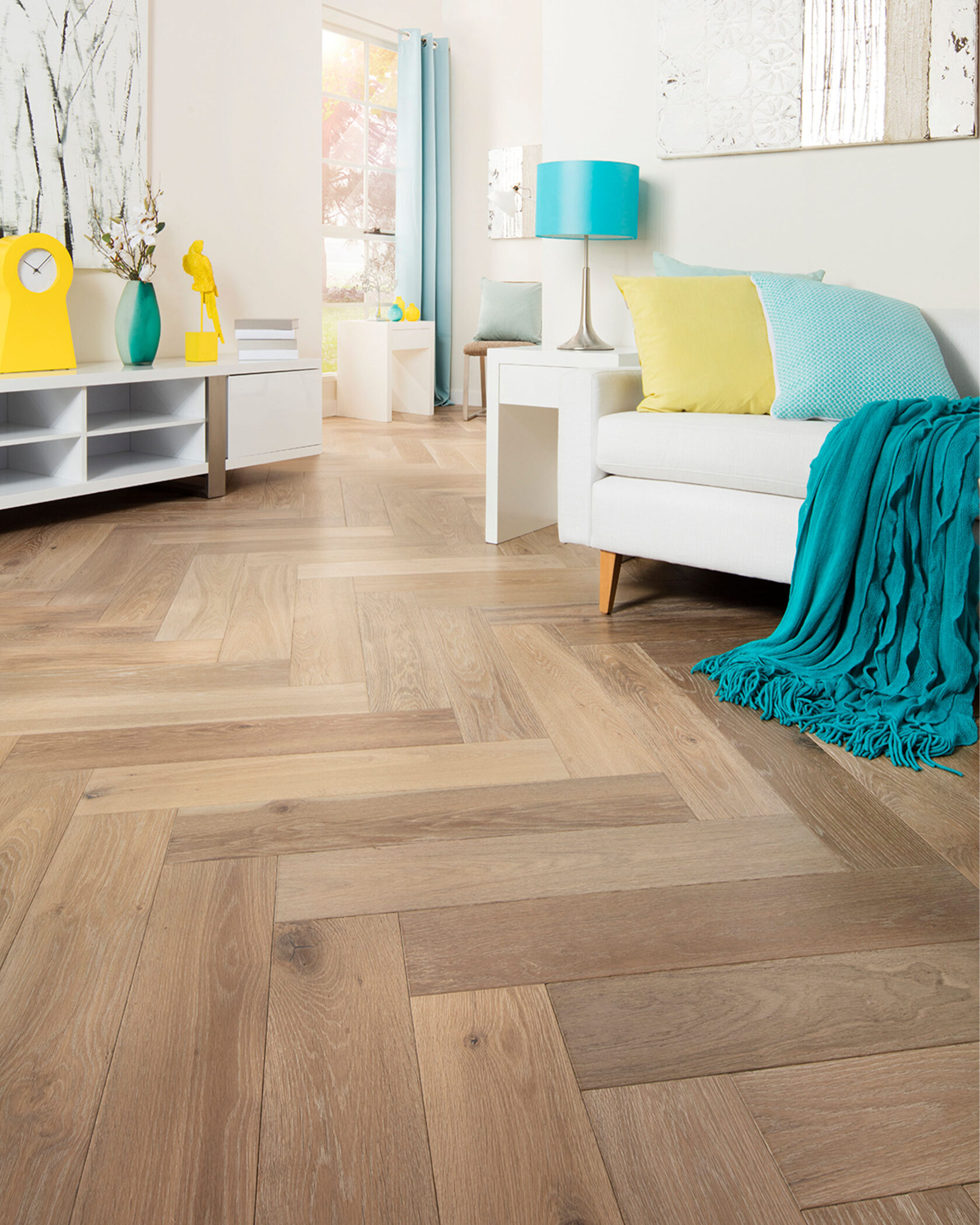
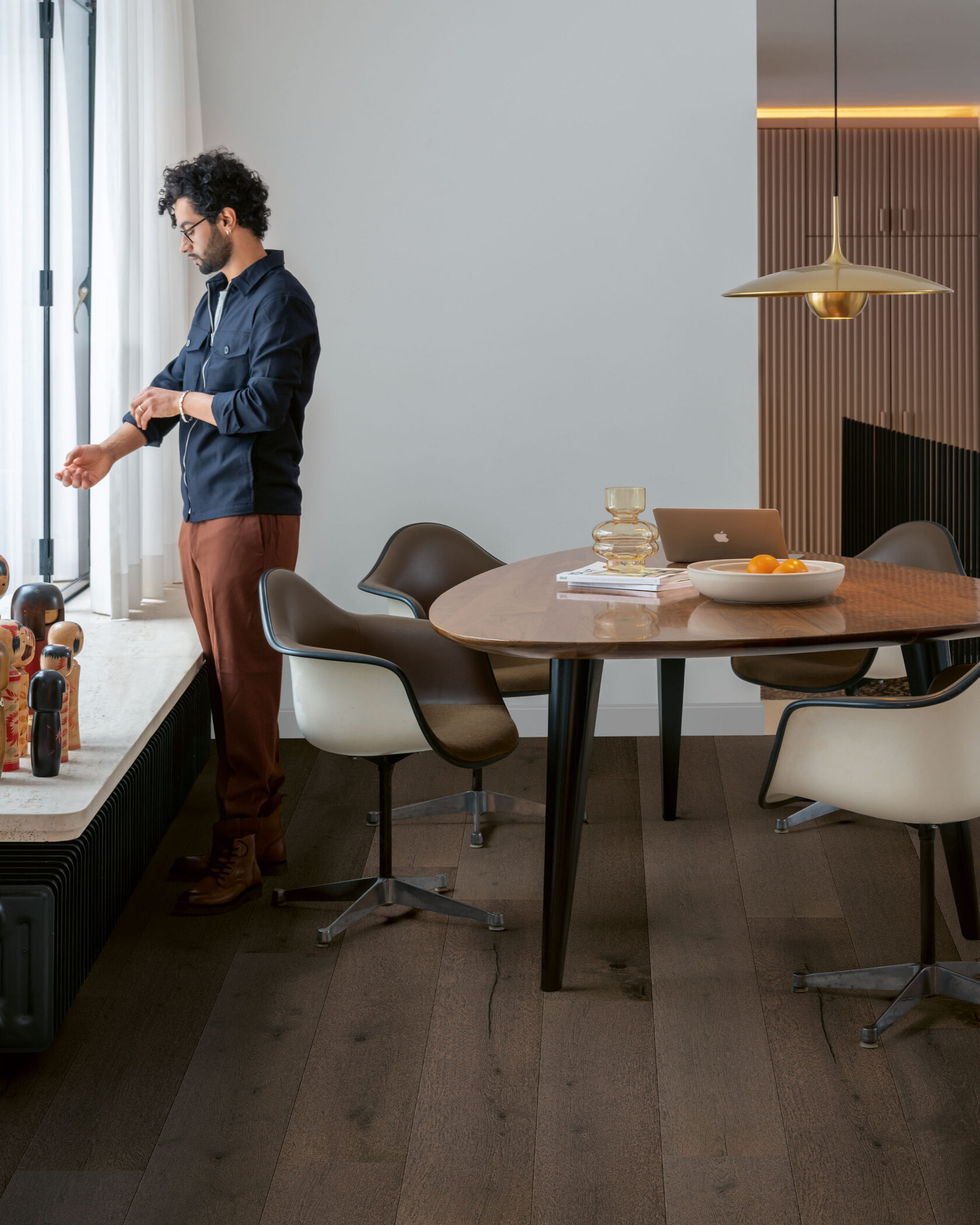
GrandOak Herringbone Timber Flooring – Lifestyle Image 2 | Floorworld
Engineered Timber at Floorworld
Floorworld carries engineered timber in European oak and Australian hardwoods across a range of price points. Your store team can help you find the right fit for your subfloor and climate.

Why most modern Australian homes are better suited to engineered timber

This is where the conversation usually lands for a lot of customers, and it matters.

Solid timber was developed for homes built on suspended timber subfloors. In older Australian homes, typically those built before the 1970s, this was standard: a raised timber frame with the floorboards laid on top and air circulating underneath. Solid timber performs beautifully in that environment.

But most Australian homes built from the 1970s onward sit on a concrete slab. And concrete behaves very differently. It holds onto moisture. It conducts temperature. It moves with heat and cold. Solid timber laid directly onto concrete responds to all of that in ways that cause problems: boards can cup, crack, or gap over time.

This isn’t a flaw in the product. It’s a mismatch between a material and a substrate it wasn’t designed for.

Engineered timber was built to handle exactly this situation. The layered core tolerates the moisture and movement that comes with concrete subfloors, which is why:

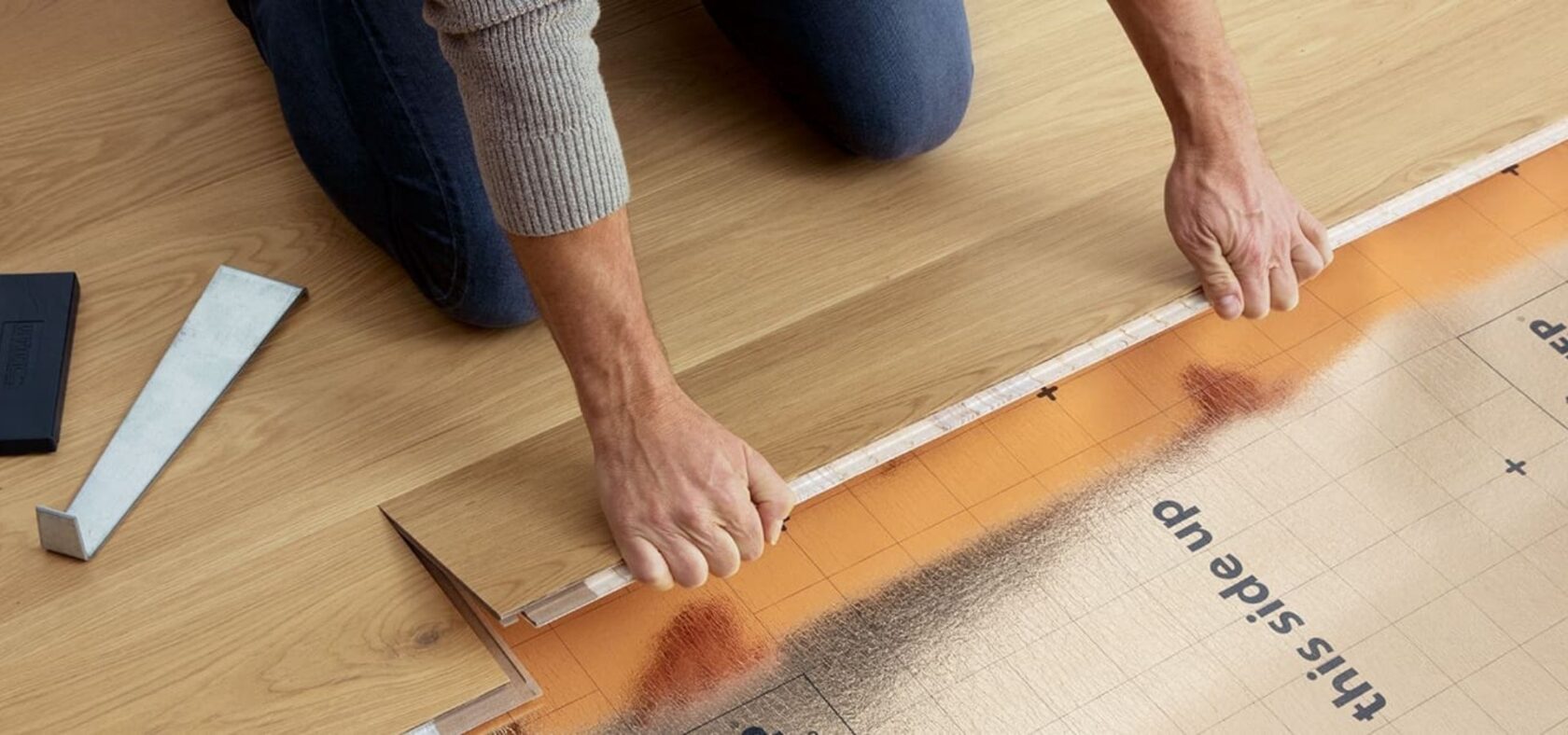
  • Engineered timber can be glued directly to a concrete slab.
  • Solid timber generally cannot, without significant additional preparation and cost.
  • In high-humidity areas like coastal Queensland, the Northern Territory, or tropical WA, solid timber carries more risk regardless of subfloor type.

If your home was built from the 1970s onward and you’re not sure whether you have concrete underneath, there’s a good chance you do. Your Floorworld team can help you work that out.

installation-hard-flooring
Not sure what’s under your floor?
Subfloor assessment is part of Floorworld’s free measure and quote process. If you don’t know your subfloor type, bring your address along and we can often advise you before you even visit a store.

Sanding and refinishing: how much does it actually matter?

One of the most common things customers bring up when comparing the two is sanding. Solid timber can be sanded back and refinished multiple times, which means scratches and wear can be removed and the floor effectively reset to near-new condition. A qualified floor sander using a product like Bona’s professional refinishing range can do remarkable things with a tired solid floor.

Engineered timber can also be sanded, but the number of times depends on how thick the veneer is. A thicker veneer gives you more sanding cycles over the floor’s life. A thinner one may only allow a light sand. When comparing products in store, asking about veneer thickness is one of the smartest questions you can ask.

The practical reality for most customers is this: if you’re renovating to sell, or if you expect to update your home within 10 to 15 years, a quality engineered floor will look just as good at the end of that period as the day it was laid. The sanding advantage of solid timber tends to matter more if you’re planning to stay in the same home for 20 or 30 years and want to be able to restore the floor across that time.

ast-timber-coastline-lifestyle-eofy-offer
Australian Select Timbers (AST)
Healthy Haven
Coastline
Lacquered, $$$
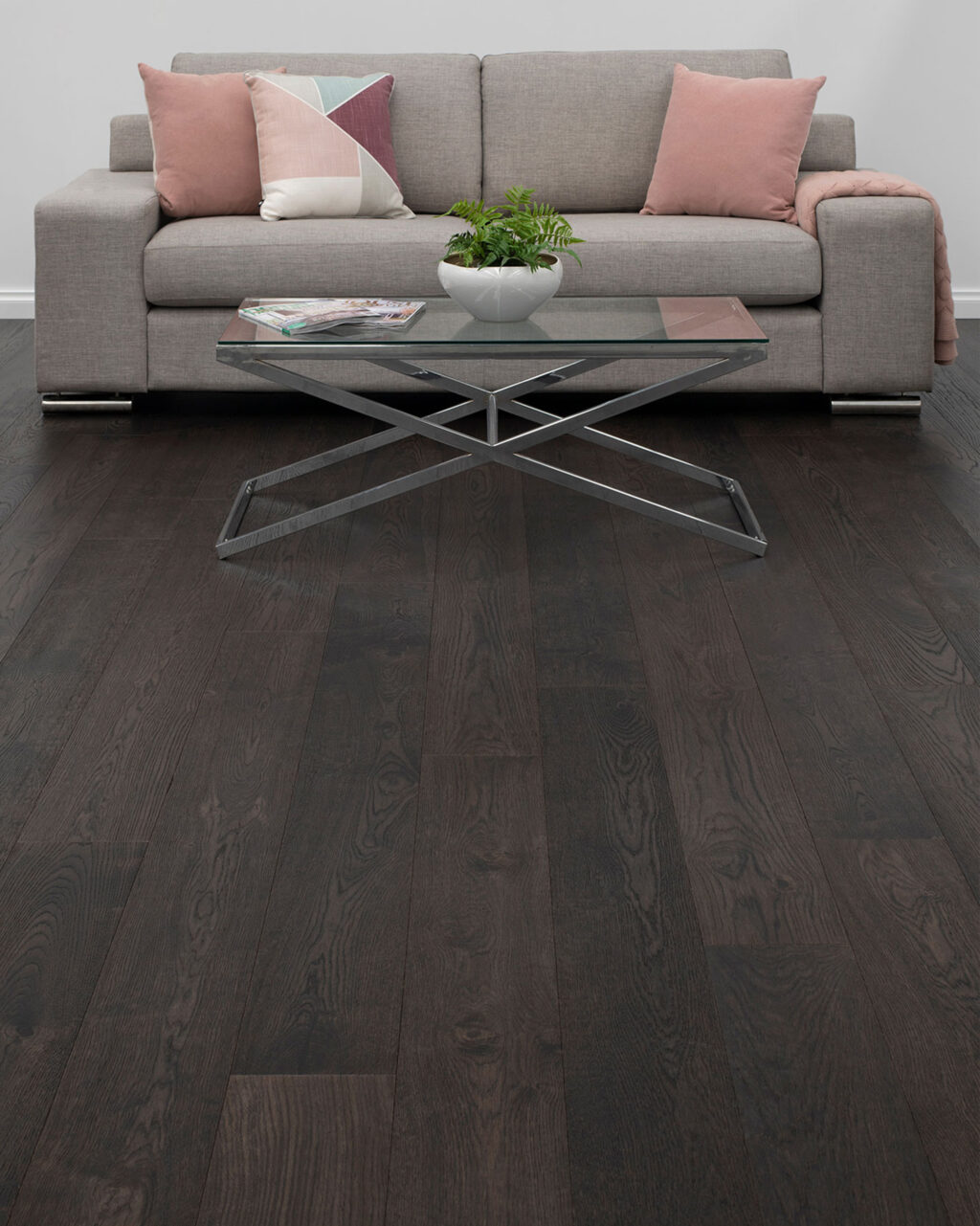
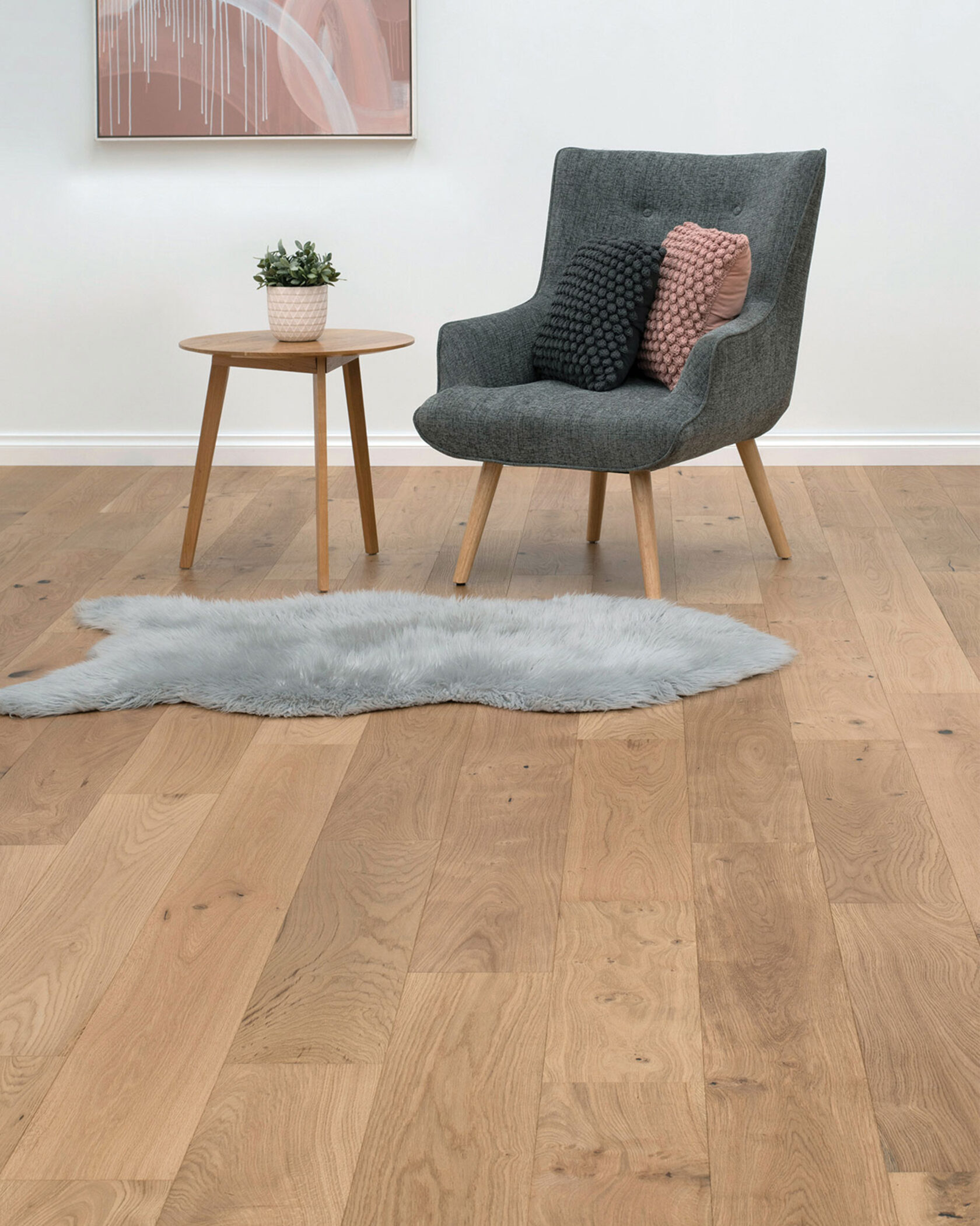
Timber flooring interior with furniture and rug

What species and finishes are available in each?

Both product types use the same timber species. Blackbutt, spotted gum, and tallowwood come in both solid and engineered formats. The grain, character, and natural variation are the same on the surface regardless of which construction method is underneath.

European oak has become one of the most popular choices in Australian interiors over the past decade. It’s almost exclusively available as engineered timber, because its properties suit that construction method and it performs far better on the concrete subfloors that are standard in modern Australian homes.

Australian Select Timbers, available through Floorworld stores, carries both solid and engineered options in Australian species. It’s a useful range to look at if you want to compare the two formats in the same species side by side.

What about cost?

There’s no simple answer because it depends on the species, the grade, and what’s required to prepare the subfloor.

As a general guide, solid Australian hardwood typically costs more per square metre than mid-range engineered products in the same species. High-end engineered products with quality veneers and cores can match or exceed solid timber pricing. Where it gets more nuanced is installation: solid timber over concrete often needs extra subfloor work, which adds to the overall cost. Engineered timber is more straightforward to install in most situations.

The practical point is that the gap in total installed cost is often smaller than people expect. A free measure and quote from Floorworld includes a subfloor assessment, which gives you an accurate all-in cost before you commit to anything.

ast-timber-cabellaoak-lifestyle-eofy-offer
Hard Flooring
Timber Flooring
Cabella American Oak
Australian Select Timbers (AST) • $$$$
ast-timber-cabellaoak-lifestyle-eofy-offer
Acadia

Side by side

Solid timber Engineered timber
What it is Single piece of hardwood Hardwood veneer over layered plywood core
Handles moisture Low. Clean spills immediately. Moderate to high
Over concrete slab Generally not suitable Yes, with correct preparation
Sanding over time Multiple times across its life Depends on veneer thickness
Lifespan Generations with proper care Decades with proper care
Coastal / humid climates Higher risk Better suited
Cost Generally higher Mid to high range

So which one should you choose?

Choose solid timber if:

  • Your home has a suspended timber subfloor, common in pre-1970s Australian homes.
  • You want the ability to sand and refinish multiple times over a long period.
  • The rooms you’re laying it in are low-humidity and temperature-stable.
  • You’re prepared to look after it properly, including using the right cleaning products like Bona.


Choose engineered timber if:

  • Your home is on a concrete slab, which applies to most homes built from the 1970s onward.
  • You live in a coastal or high-humidity area.
  • You want the warmth and look of timber without the moisture risk.
  • You want European oak, which works best in engineered format in Australian conditions.

For most customers we talk to, engineered timber ends up being the right fit. Not because it’s better in any absolute sense, but because most Australian homes are built in a way that suits it. If your home has the subfloor for solid timber and you’re prepared for the maintenance, it’s a genuinely exceptional floor. It’s just that most of us don’t live in that situation anymore.

What the conversation looks like in store

When you come in to look at timber flooring, we don’t start by asking what colour you like. We start by asking about your home.

Subfloor type. Climate zone. Whether you have pets or children. How much maintenance you’re genuinely prepared to do. From the answers to those questions, we can usually get you down to two or three options that are actually right for your situation.

You’ll see both product types side by side. You can feel the difference between a thin veneer and a thicker one. You can compare the same species in solid and engineered format. And you can ask questions about specific products from Australian Select Timbers or any other supplier we carry.

The free measure and quote includes a subfloor check. No pressure, no obligation. Most customers leave with a clear answer.

Common questions

What is the actual difference between engineered and solid timber?

Solid timber is a single piece of hardwood all the way through. Engineered timber has a real hardwood surface bonded to a layered plywood core. Both look identical on top. The difference is how they behave when exposed to moisture and temperature changes, and that determines which one suits your home.


Can engineered timber go over a concrete slab?

Yes. It’s designed for it. Engineered timber can be glued or floated over a concrete slab, provided the slab is level and properly prepared for moisture. Solid timber generally can’t be laid over concrete without significant additional work and risk. For most Australian homes built from the 1970s onward, engineered timber is the right choice for this reason alone.


How many times can engineered timber be sanded?

It depends on how thick the veneer is. Thicker veneers give more sanding cycles over the floor’s life. Thinner veneers have less scope. When comparing products in store, asking about veneer thickness is one of the most useful questions you can ask.


Which is better for a home with pets?

Both solid and engineered timber will show scratches from pet claws over time. The species makes a bigger difference than the construction method: Australian hardwoods like spotted gum and blackbutt are naturally tougher and hold up better. A matt finish also hides minor surface wear far better than gloss. Your store team can point you toward the more practical options.


Which is better for a coastal home?

Engineered timber, clearly. Coastal humidity causes solid timber to swell and gap in ways that engineered timber handles much better. If you live near the coast or in a high-humidity area, engineered timber is the safer choice.


Does Floorworld carry both?

Yes. Both solid hardwood and engineered timber are available across our stores, in a range of Australian and imported species. Availability varies by location, and Australian Select Timbers is one of the brands you’ll find across the network. Your local store team can show you what’s in stock and help you compare.




PUBLISHING NOTES

Brands: Australian Select Timbers, Quick-Step, Heartridge
Species: blackbutt, spotted gum, tallowwood, jarrah, Sydney blue gum, European oak

Related posts

-
My list

Your saved products will appear here.
Add floors you love to compare and share with your nearest Floorworld store.